Introduction
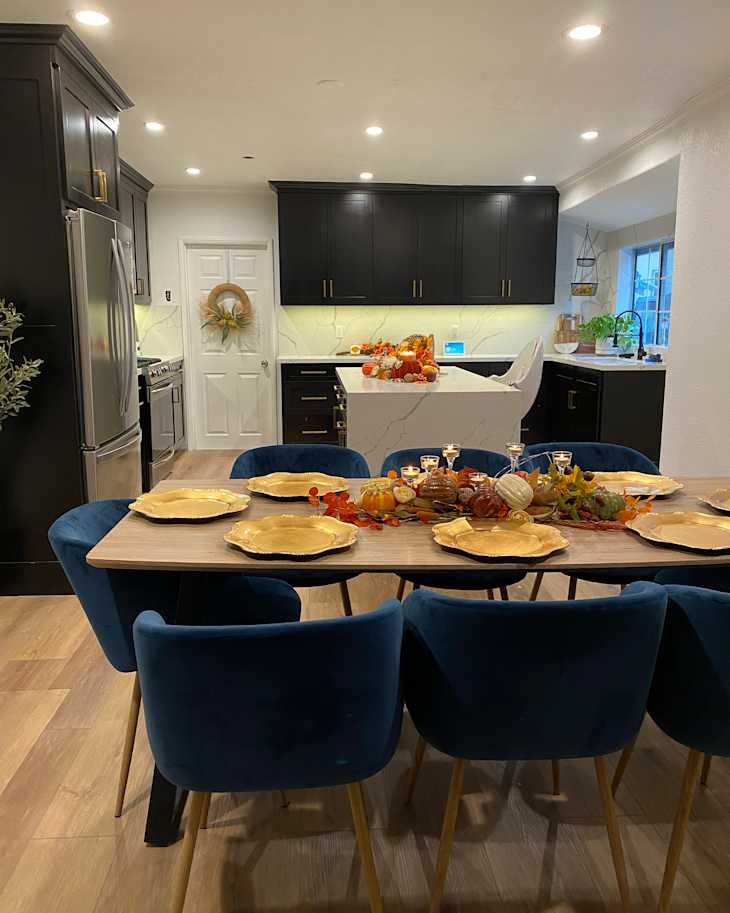
When my husband and I bought a fixer-upper and began planning the renovation, the kitchen quickly became our priority. We wanted the space to set the tone for the entire house, so we gutted the old layout, expanded the room, installed new appliances, and selected matching stone countertops and a backsplash. The final major decision was the cabinet color. I was drawn to black cabinetry, imagining a dramatic, sophisticated room with marble surfaces and brass hardware. It looked like something from a design magazine. Years later, I view that choice as one of my most expensive regrets.
What Happened
At first, the black cabinets delivered the sleek, modern aesthetic I wanted. In low evening light with candles, the space had an edgy appeal that lighter finishes couldn't match. But daily life revealed practical problems I hadn't anticipated.
The finish proved surprisingly delicate. Within months, nicks and scratches appeared along cabinet edges, especially around corners and handles. Because paint chips rather than wears like a stain, and because the dark surface contrasted sharply with the lighter material beneath, every small ding stood out. With a toddler in a walker, the damage spread quickly to baseboards and cabinet sides.
Fingerprints became a constant issue. Even upper cabinets collected marks that resisted cleaning. I bought a dedicated spin mop and mixed vinegar with cleaner, but the mixture mostly removed dust—which itself is highly visible on dark surfaces.
Moisture created further complications. Despite a range hood built into the microwave, steam from cooking left streak stains on upper cabinets. Under the sink, water splashes caused the paint to bubble and lift slightly.
To get a professional opinion, I spoke with interior designer Bilal Rehman. He confirmed that black kitchens are a significant commitment and rank among the higher-maintenance design choices because they readily show fingerprints, smudges, and dust.
Why This Matters
Choosing a bold cabinet color is about more than aesthetics. Dark semigloss finishes absorb light in a way that amplifies grease marks and smudges, while imperfections do not blend in—they announce themselves. For households with children or high kitchen traffic, the upkeep can become overwhelming. The possibility of stripping and refinishing cabinetry also adds a potential cost that many homeowners overlook during the planning stage.
Key Takeaways
- Black cabinetry shows scratches, chips, fingerprints, and dust more prominently than lighter or natural wood finishes.
- Steam and moisture can cause paint to streak, bubble, or lift near cooking areas and sinks.
- High-traffic family kitchens may find dark finishes especially demanding to maintain.
- Natural wood stains generally age gracefully and help camouflage minor scuffs and dents.
- Interior designer Bilal Rehman describes black kitchens as a major commitment and one of the more high-maintenance design options.
Conclusion
Our kitchen renovation was not a total loss. There is still much about the room we love, but the cabinets serve as a cautionary tale about embracing bold design trends without fully weighing everyday realities. If I could do it over, I would seriously consider a natural grain with a light stain instead—something sophisticated yet far more forgiving. Before committing to dark cabinetry, it is worth asking whether the look is worth the long-term upkeep.
Discussion
Join the conversation
Thoughtful reactions, questions, and follow-up ideas help shape the next story.