Introduction
Leaders from China and Russia used a regional economic summit in southern China to push back against Western trade policies, just hours before the U.S. president arrived for a closely watched three-way meeting. Chinese President Xi Jinping framed Beijing as a defender of open markets, while Russian President Vladimir Putin argued that sanctions and economic pressure have failed to stop Moscow. The gathering in Shenzhen sets up a Thursday summit involving Xi, Putin, and Donald Trump that could shape discussions on trade, artificial intelligence, nuclear weapons, and ongoing conflicts.
What Happened
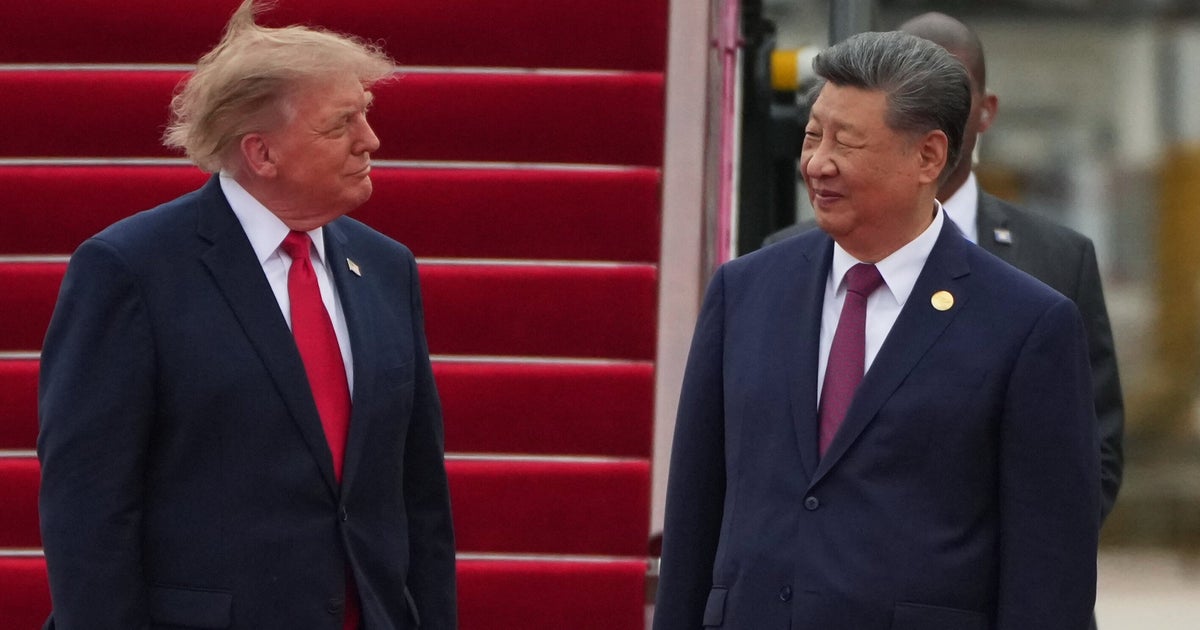
Xi and Putin delivered speeches at the Asia-Pacific Economic Cooperation summit in Shenzhen on November 18. Xi welcomed Trump at the airport upon his arrival, marking the first time the Chinese president has personally greeted a visiting leader since taking office. The two shared a brief embrace before proceeding to their motorcades.
According to state media, Xi said he looks forward to discussing U.S.-China relations, Asia-Pacific cooperation, and the global situation. Trump described his previous meetings with Xi as “very pleasant.”
The trilateral session is expected to address Russia’s war in Ukraine, U.S. military actions involving Iran, trade disputes, artificial intelligence, and nuclear weapons. Some observers have compared the potential summit to the 1945 Yalta Conference, though the Kremlin dismissed that analogy as speculation.
Why This Matters
The meeting has unsettled some European and Asian governments, which worry that the world’s leading military powers may negotiate over their interests without consulting them. Xi’s call for a rules-based trading system centered on the World Trade Organization comes as Washington imposes new restrictions on China’s access to advanced AI chips, including products from Nvidia. Beijing has promised to respond to those measures.
Putin, speaking after Ukrainian forces damaged a key bridge linking Crimea to Russia, described Western nations as “former hegemons” and said sanctions imposed after Russia’s invasion of Ukraine have backfired. He argued that tariffs, export controls, and economic coercion no longer carry the same weight they once did.
Meanwhile, Japanese Prime Minister Sanae Takaichi received no formal welcome ceremony upon landing in China, underscoring strained ties between Beijing and Tokyo. Taiwan and Japan also reported Russian aircraft incursions into their airspace on the day before the summit.
Key Takeaways
- Xi Jinping and Vladimir Putin criticized protectionism and Western sanctions at an APEC summit in Shenzhen.
- Donald Trump arrived in China for a trilateral meeting with Xi and Putin scheduled for Thursday.
- Topics likely to be discussed include trade, artificial intelligence, nuclear weapons, and the wars in Ukraine and involving Iran.
- Xi positioned China as a supporter of open trade and the World Trade Organization, contrasting with recent U.S. tariffs and chip restrictions.
- Putin claimed economic sanctions against Russia have failed and described the West as declining.
- Some European and Asian capitals fear the summit could sideline smaller nations in great-power negotiations.
Conclusion
The Shenzhen summit highlights a shifting diplomatic landscape where China and Russia are presenting themselves as alternatives to Western-led economic order. With Trump on the ground for direct talks, the coming days may reveal whether the three leaders can find common ground on volatile issues ranging from trade barriers to regional security. For now, the event has already signaled Beijing’s intent to appeal to the Global South while Washington maintains pressure through technology restrictions and tariffs.
Discussion
Join the conversation
Thoughtful reactions, questions, and follow-up ideas help shape the next story.