Introduction
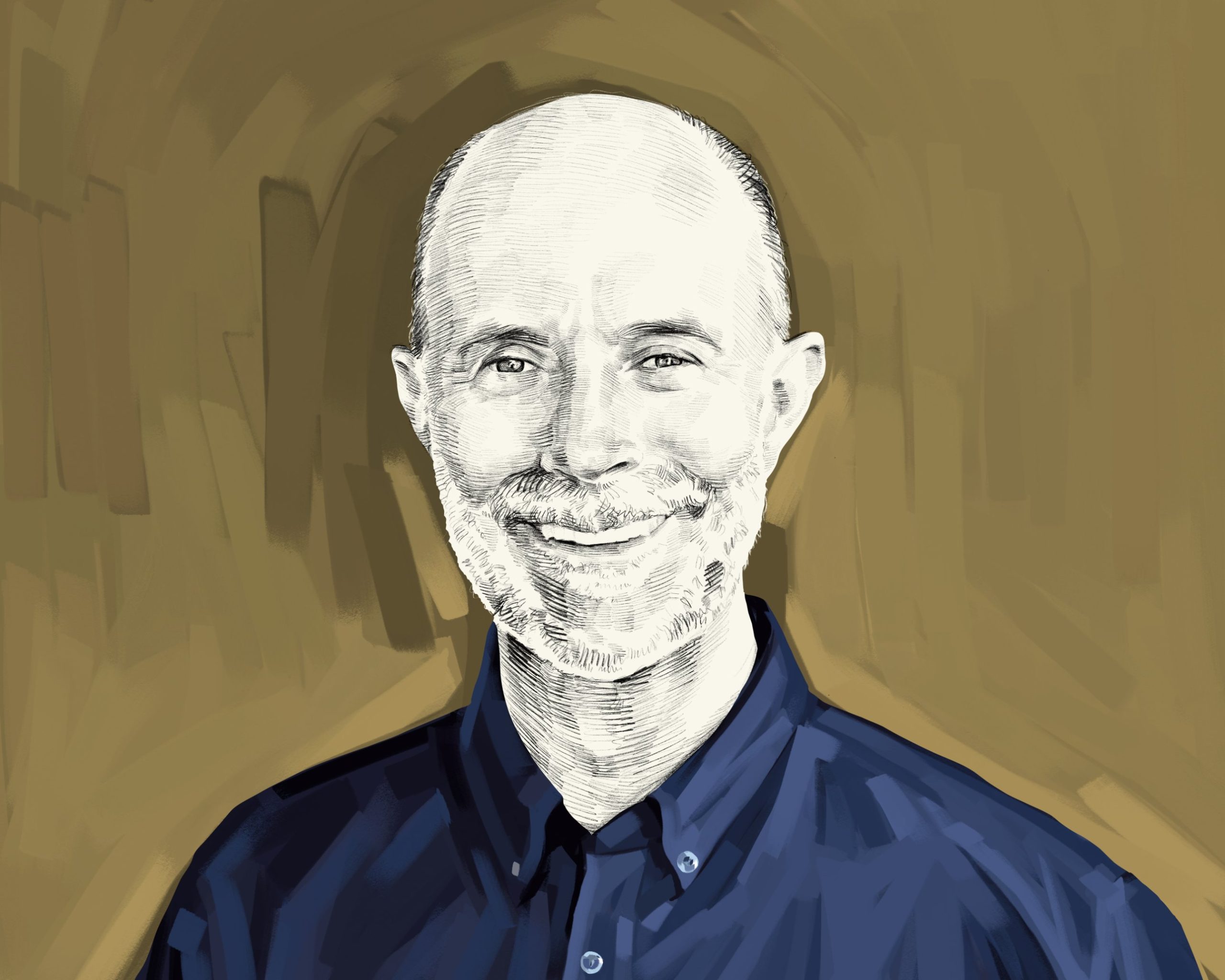
Tim Ferriss recently recorded a third conversation with Henry Shukman, an authorized Zen teacher in the Sanbo Zen lineage and spiritual director emeritus of Mountain Cloud Zen Center in Santa Fe, New Mexico. The discussion ranged across love, grief, jhana states, ambition, and the unexpected role poetry can play as a shortcut to deeper awareness. Shukman, who balances Zen teaching with writing and poetry, also traced a personal arc from his childhood in the UK to more than thirty years in the American Southwest.
What Happened
Shukman described how a teenage fascination with the writer D.H. Lawrence drew him to New Mexico, where he eventually settled in Santa Fe after first passing through places like Cloudcroft and Taos. He recounted a spontaneous awakening at age 19 that collapsed his ordinary sense of separation from the world, followed by a painful emotional reentry and a wave of grief he had not felt in a decade. Years later, meeting a Zen teacher in Oxford helped him make sense of that early experience and commit to formal practice.
More recently, a bicycle accident left Shukman with a lingering concussion that made traditional one-on-one teaching sessions, known as dokusan, difficult to sustain. While recovering in a cabin in northern New Mexico, he wrote a book called Original Love in just twelve days, organizing Zen practice into four primary dimensions. He has since shifted toward group courses that explore those dimensions, describing the format as gentler and more accessible than intensive retreat schedules.
Why This Matters
The conversation offers a candid look at how spiritual practice intersects with real-life challenges, including injury, creative blocks, and emotional healing. Shukman's account of an early awakening followed by breakdown illustrates why skilled guidance and community accountability matter in meditation work. His move away from marathon interview sessions toward structured courses also reflects a broader trend in Western Zen: making contemplative tools available to people who cannot attend residential retreats.
Key Takeaways
- Henry Shukman is one of only a few dozen authorized Zen masters in the Sanbo Zen lineage and has lived in Santa Fe, New Mexico, for roughly three decades.
- He experienced a spontaneous, drug-free awakening at 19, followed by a period of intense grief and emotional reintegration.
- A cycling-related brain injury limited his ability to conduct dokusan, prompting him to write Original Love and develop four-part practice courses.
- Shukman teaches that awakening is not the only goal of meditation; steady growth, self-examination, and emotional processing are valuable in their own right.
- Poetry and place played formative roles in his journey, from reading Lawrence as a teenager to settling in the high desert of New Mexico.
Conclusion
Whether you are new to meditation or a longtime practitioner, Shukman's reflections remind us that spiritual paths are rarely linear. Grief, injury, ambition, and creative expression can all become part of the practice rather than obstacles to it. The full transcript and episode are available through major podcast platforms for anyone who wants to explore the conversation in greater depth.
Discussion
Join the conversation
Thoughtful reactions, questions, and follow-up ideas help shape the next story.