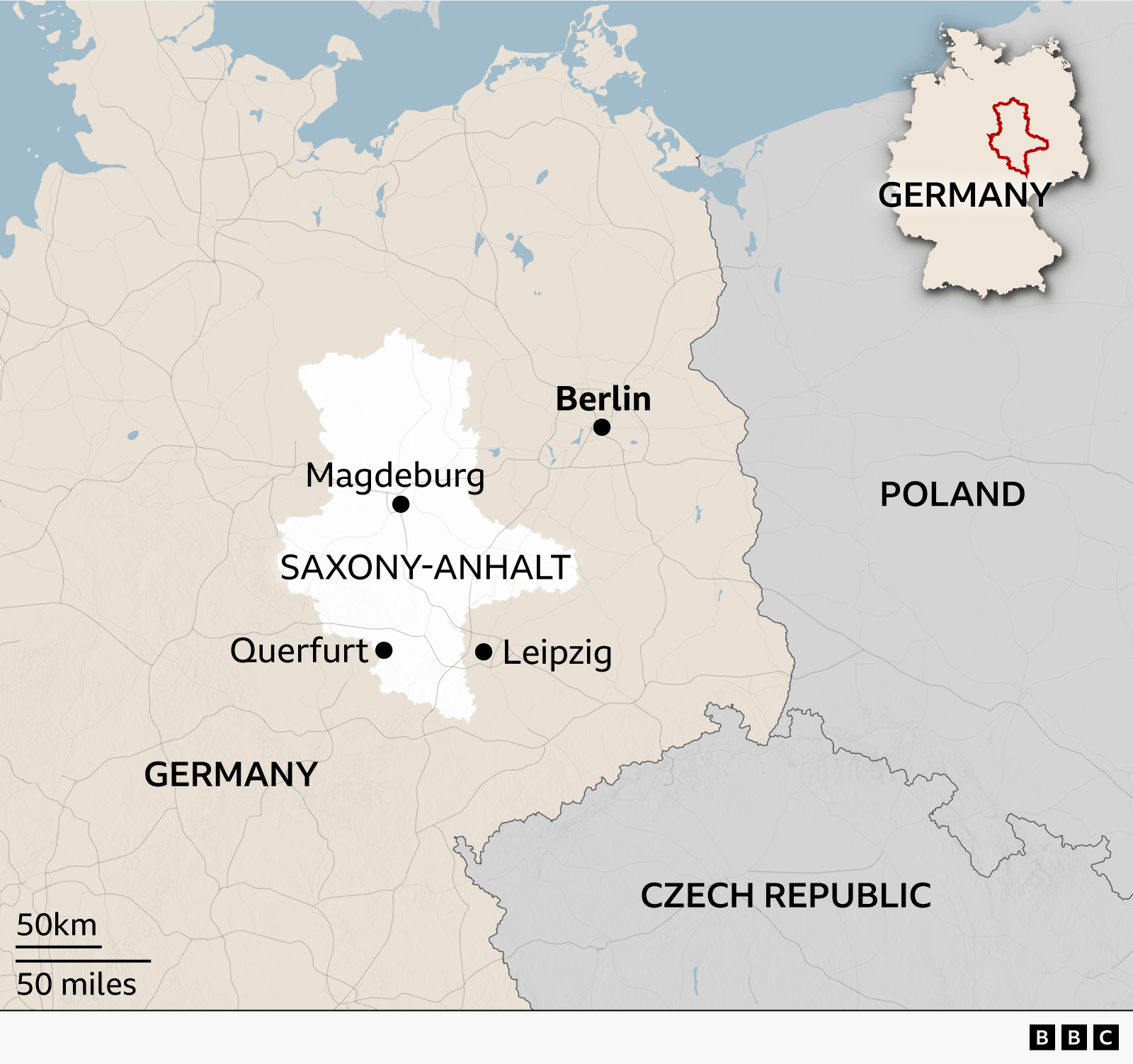
The latest projections from Germany's eastern state of Saxony-Anhalt suggest the far-right AfD is poised to secure a decisive electoral victory. The result, if confirmed, would represent a historic shift in the country's post-war political order.
Introduction
Initial projections place the Alternative for Germany (AfD) at approximately 44 percent of the vote, positioning it far ahead of the conservative CDU, which trails at 17.8 percent. AfD state leader Ulrich Siegmund called the outcome sensational, stating the party is ready to begin governing immediately. The margin between the AfD and its nearest rival underscores a significant realignment in Saxony-Anhalt's electorate, with turnout estimated at around 78 percent.
What Happened
A far-right party winning control of a German state would be unprecedented since the Second World War, granting the AfD authority over critical state functions including policing, education, and cultural policy. The AfD is currently assessed by domestic intelligence as right-wing extremist, a label the party rejects. Beyond Saxony-Anhalt, the result signals an ongoing realignment in eastern Germany, where the AfD has consolidated its electoral base and now leads national polling. The outcome also intensifies debate over the AfD's controversial policies, including its remigration framework and criticism of the Bauhaus design legacy, while civil society figures such as Charlotte Knobloch, 93, a Holocaust survivor, have expressed deep concern over the political shift.
Why This Matters
- The AfD is projected to secure nearly 44 percent of the vote, more than double the CDU's showing.
- Victory would mark the first far-right state government in Germany since the end of World War Two.
- The fate of the AfD's majority hinges on whether the BSW party clears the 5 percent threshold to enter the state parliament.
- If BSW fails to reach the threshold, the AfD is projected to win 39 of 83 seats, strengthening its governing position.
- Voter turnout was estimated at 78 percent, reflecting high engagement in the eastern state.
- Other parties maintain a political firewall against coalition cooperation with the AfD, though BSW has indicated willingness to engage on specific issues.
Key Takeaways
As the count continues and smaller party results are finalised, the Saxony-Anhalt result will likely influence the next phase of Germany's domestic political discourse. Whether the AfD secures enough seats to govern independently or must negotiate coalition arrangements, the election result underscores the growing electoral force of the far-right in eastern Germany and the challenges it presents to established party structures and civil society alike.



Discussion
Join the conversation
Thoughtful reactions, questions, and follow-up ideas help shape the next story.