Introduction
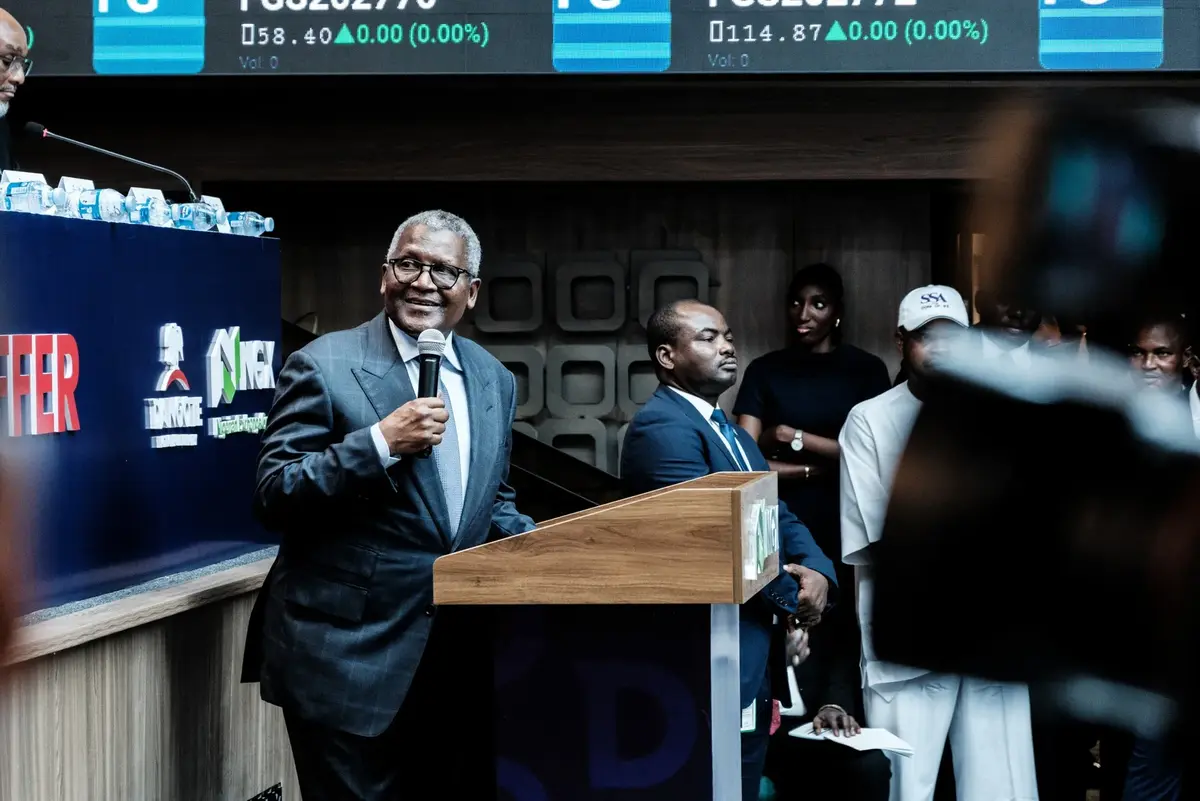
Dangote Refinery has cleared a significant regulatory hurdle on its path to a public listing on the Nigerian Exchange. The Securities and Exchange Commission has approved the company's share allocation plan, allowing the refinery to move forward with distributing shares after an initial public offering that drew overwhelming investor interest. The development, reported by Reuters on Monday, November 23, 2026, brings the company closer to a listing anticipated later this month.
What Happened
The SEC's approval covers how shares will be allocated following Dangote Refinery's IPO, which closed last month. According to sources familiar with the matter cited by Reuters, demand for the offering reached nearly three times the number of shares originally made available. Investors submitted applications worth approximately N5.85 trillion, with nearly 3.8 million subscribers applying for 11.15 billion shares at N525 each.
The refinery had requested permission to expand the offering by up to 30 percent, potentially lifting the deal size from about $1.62 billion to $2.1 billion and increasing the available share count from the original 4.1 billion to up to 5.33 billion, including an overallotment option. However, regulatory clearance for the allocation plan does not automatically mean the proposed increase has been approved. A Dangote Group spokesperson declined to comment, and the SEC did not immediately respond to inquiries.
Under the expected allocation structure, retail investors are in line to receive the full number of shares they applied for, while local pension funds are expected to get allocations close to their subscription levels. Foreign investors are likely to absorb most of the reduction as the company manages oversubscription.
Why This Matters
The listing represents a major milestone for Africa's energy sector and for Nigerian capital markets. Dangote Refinery, which began operations in 2024, is using the share sale as part of a wider funding plan for a $14.3 billion expansion programme spread across five years. That plan aims to double crude processing capacity from 700,000 barrels per day to 1.4 million barrels per day by 2029.
The timing is also notable given the company's recent financial turnaround. During the first nine months of 2026, the company recorded $22.48 billion in revenue and $4.73 billion in profit after tax, compared with a loss of about $117 million in the same period of 2025. A successful listing would give public investors a direct stake in one of Nigeria's largest industrial enterprises as it pursues further growth, along with a potential secondary listing in the United States sometime within the next three to four years.
Key Takeaways
- The SEC approved Dangote Refinery's share allocation plan, clearing the way for an NGX listing expected later this month.
- The IPO was heavily oversubscribed, attracting about N5.85 trillion in applications from nearly 3.8 million investors.
- Demand reached roughly three times the original offer size, with applications for 11.15 billion shares at N525 each.
- The company sought approval to increase the offering from $1.62 billion to $2.1 billion, but that expansion has not yet been separately cleared.
- Retail investors are expected to receive all shares applied for, while foreign investors may face larger allocation cuts.
- Proceeds will support a $14.3 billion expansion to raise refining capacity to 1.4 million barrels per day by 2029.
- The refinery posted $4.73 billion in profit after tax for the first nine months of 2026, reversing a prior-year loss.
Conclusion
Dangote Refinery's receipt of SEC approval marks a decisive step toward joining the Nigerian Exchange, though some regulatory questions around the proposed IPO expansion remain unresolved. With strong investor demand, improved financial results, and an ambitious expansion agenda, the refinery is positioning itself as a cornerstone of Nigeria's energy and capital market landscape. Investors and market watchers will be watching closely for the final listing date and any further updates on the potential U.S. secondary listing.
Discussion
Join the conversation
Thoughtful reactions, questions, and follow-up ideas help shape the next story.