Introduction
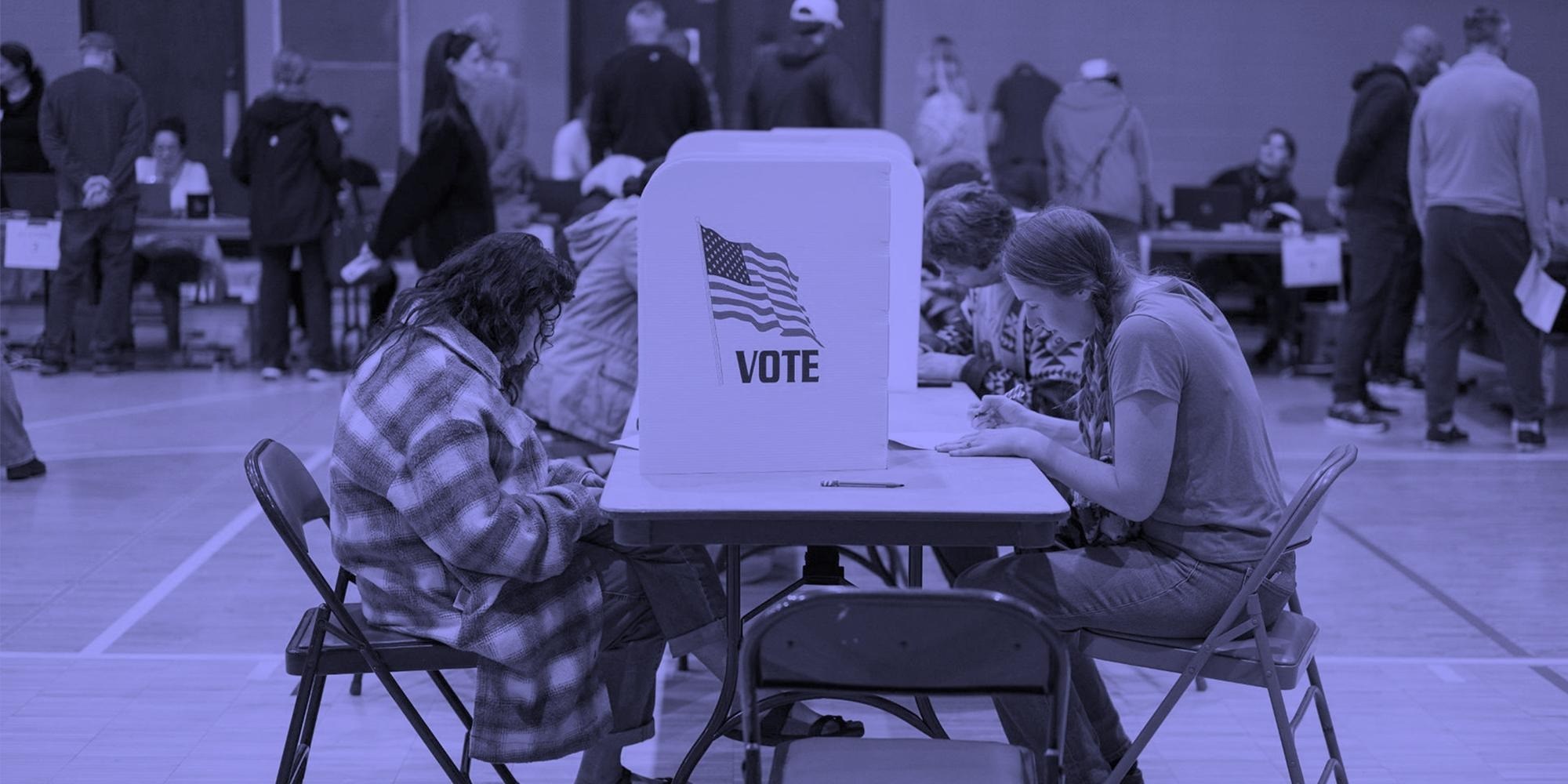
The 2026 midterm election cycle is on track to become one of the most expensive in U.S. history, with north of $16 billion raised and over $4 billion funneled into House and Senate races. Behind the headlines, powerful special-interest groups and tech-aligned super PACs are quietly dictating the financial landscape of key contests.
What Happened
The American Israel Public Affairs Committee and its affiliated super PAC, the United Democracy Project, continue to funnel significant spending into down-ballot races despite public pushback that has forced a strategic pivot away from direct endorsements. Meanwhile, AI-focused super PACs affiliated with OpenAI and Anthropic poured tens of millions into early primaries, only to scale back dramatically as voter sentiment turned against data-center expansion and opaque political spending.
Tech billionaires and crypto interests have also redirected millions toward city-level and swing-state races, often funneled through opaque super-PAC structures that avoid explicit branding.
Why This Matters
Voters may not always see the names of the PACs funding the ads they encounter, but the cumulative effect of tens of millions in undisclosed or loosely traced spending reshapes which candidates survive primaries and which incumbents feel pressure to align with powerful industry interests. The retreat of AI super PACs amid public skepticism signals a shifting political calculus, while AIPAC’s adjusted strategy shows how established lobbies adapt when scrutiny intensifies.
Key Takeaways
- Record-breaking campaign spending is driven by a convergence of pro-Israel lobbying, AI industry advocacy, and crypto-backed super PACs.
- AIPAC has retreated from direct candidate endorsements but continues to invest heavily in competitive and safe-seat races alike.
- AI super PACs dramatically reduced general-election spending after intense public backlash in primary contests.
- Tech-focused donors are increasingly targeting local offices, from city attorney posts to Senate seats, to influence regulatory outcomes.
- Public perception and voter backlash are already reshaping spending patterns mid-cycle, a rare occurrence in midterm politics.
Conclusion
As voters head to the polls, the true impact of this unprecedented spending will become clear. Whether the money translates into electoral advantage or fuels voter frustration remains to be seen, but one thing is certain: the 2026 midterms have set a new benchmark for how special-interest money and emerging tech influence the democratic process.



Discussion
Join the conversation
Thoughtful reactions, questions, and follow-up ideas help shape the next story.