Introduction
The U.S. Army is moving forward with plans to detonate roughly 9,500 pounds of unstable lead azide at the Iowa Army Ammunition Plant in Middletown. The controlled explosions, set for Wednesday morning, follow weeks of delays, legal challenges, and urgent warnings from state health officials about the dangers of airborne lead dust.
What Happened
Inspectors discovered 68 drums of decades-old lead azide at the facility in March. The material had partially crystallized, making it highly sensitive to friction, shock, and freezing temperatures. Because it is too unstable to move or neutralize chemically, Army officials say the only safe option is to destroy it in place through two controlled blasts.
The detonations were initially scheduled for Friday but were pushed back after concerns that the explosions could send a plume of toxic lead particles as far as 100 miles from the site. Environmental groups and local residents objected, citing the risk of lead contamination in the air and on surfaces.
Legal pressure mounted quickly. The Iowa Environmental Council and the Sierra Club asked a federal appeals court for an emergency stay. The U.S. Court of Appeals for the Eighth Circuit briefly halted the plan, and the Army delayed the blasts until Monday. President Donald Trump then weighed in on social media, directing the military to wait for court approval while urging Iowa's governor-elect to support the operation. A three-judge panel ultimately lifted the stay, reasoning that leaving the degraded explosives in place posed a greater danger than conducting the permitted detonations.
Why This Matters
Lead is a toxic metal with no identified safe exposure level, according to the Iowa Department of Health and Human Services. Children and pregnant women face the greatest danger. Although Middletown is home to only about 400 residents, health officials warned that the risk zone could extend well beyond the town's borders.
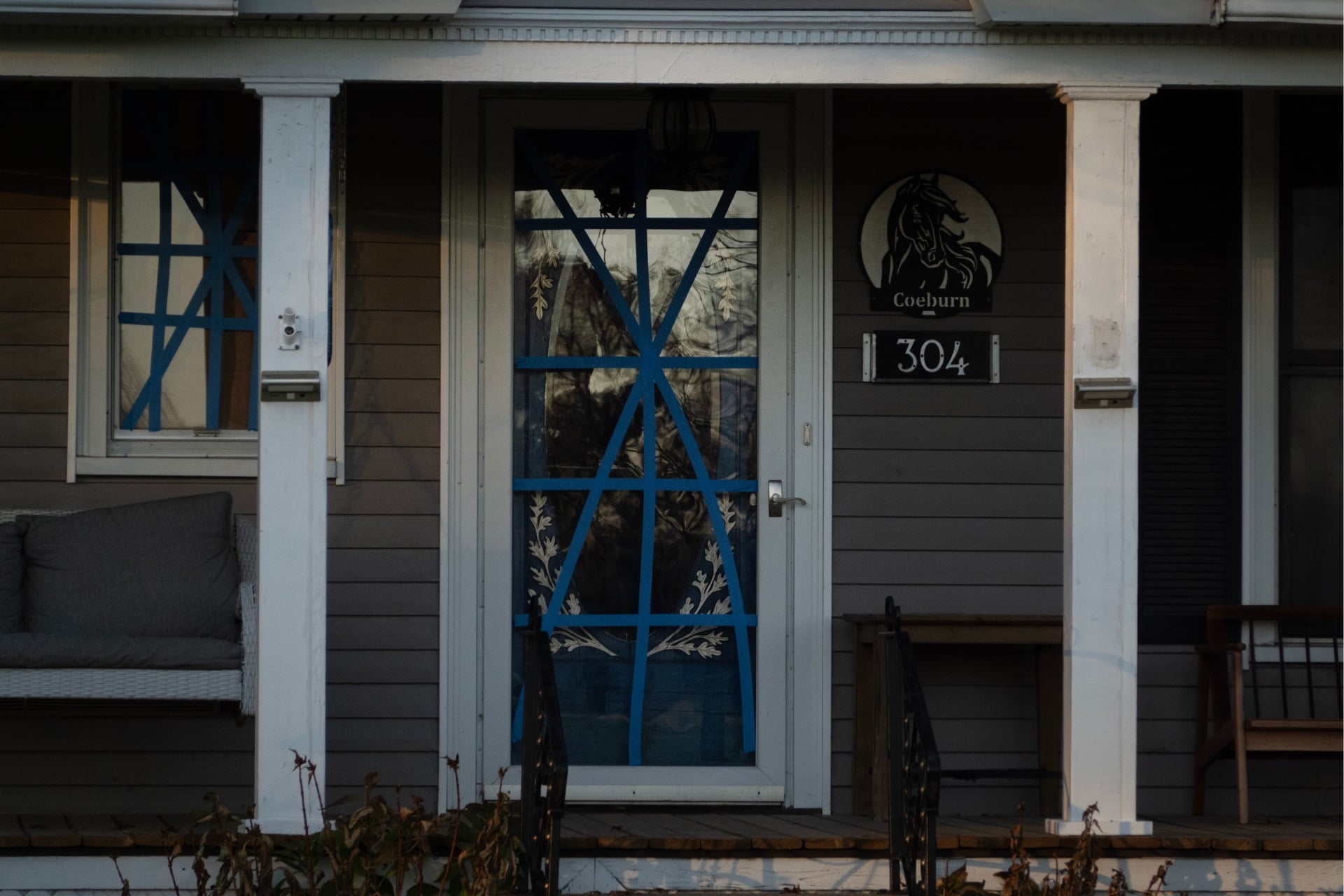
Residents in affected areas have been told to stay indoors with windows and doors closed for 24 to 48 hours after the blasts. People living near Middletown City Park and Butterfly Park were advised to leave their homes during the explosions because the force could shatter nearby windows.
Key Takeaways
- The Army plans to detonate 9,500 pounds of degraded lead azide at the Iowa Army Ammunition Plant.
- The explosives became too unstable to transport or treat after decades of storage.
- Controlled blasts are scheduled for Wednesday at 10:00 a.m. ET.
- A federal appeals court lifted a temporary stay, allowing the operation to proceed.
- State health officials recommend that nearby residents remain indoors for up to two days after the explosions.
- Lead exposure carries serious health risks, especially for young children and pregnant women.
Conclusion
The controlled detonations represent a difficult choice between two serious risks: an accidental explosion of aging munitions or a managed release of toxic lead dust. While the Army maintains that the blasts are the safest available option, the episode has raised broader questions about how hazardous military materials are stored and monitored over long periods. Iowa's incoming senator has called for a full investigation into why the stockpile was allowed to deteriorate to this point.
Discussion
Join the conversation
Thoughtful reactions, questions, and follow-up ideas help shape the next story.