Introduction
The United States asylum system is operating at a fraction of its former capacity. Under the current administration, access to protection at the southern border has been sharply curtailed, and approval rates have fallen to historic lows. With the Supreme Court scheduled to examine the legality of these restrictions, the future of asylum in America remains uncertain.
What Happened
Soon after returning to office, the president issued a proclamation that effectively stopped asylum processing at the U.S.-Mexico border. Since then, thousands of pending applications have been canceled, and the immigration court system has been reshaped through sweeping personnel changes. Data tracked by researchers at Syracuse University show that denial rates climbed to 94 percent in June, compared with roughly 50 percent during the last full year of the previous administration.
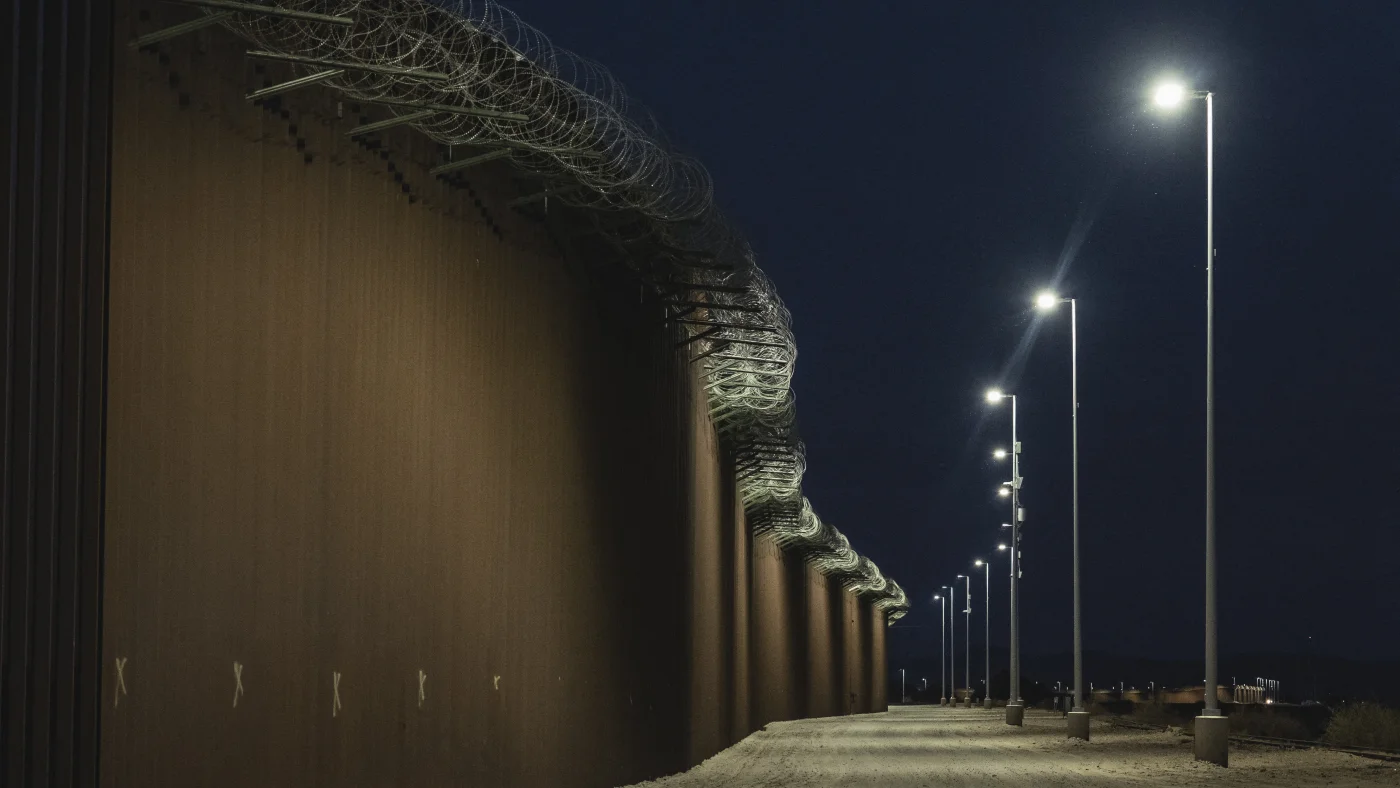
Border enforcement figures reflect a steep drop in crossings, with Southwest border apprehensions falling below 99,000 in fiscal year 2026—a decline of roughly 95 percent from annual totals under the prior administration. Supporters of the policy say it reduces fraudulent claims and illegal entry, while critics argue it strips due process from people fleeing persecution.
Why This Matters
The case now before the nation's highest court asks whether a president can bypass Congress and unilaterally suspend asylum protections. Lower federal courts have already rejected the administration's central argument, yet the policy has largely remained in effect while appeals continue.
For people seeking asylum, the consequences are immediate and personal. One attorney described a client from Ethiopia who documented torture and belonged to an Indigenous group caught in an armed conflict. Despite what she called a strong case, the client received a removal order to a third country with no connection to his situation. Advocates say such outcomes reflect a broader pattern in which immigration judges feel bound by new directives and have limited discretion.
The makeup of the immigration bench has also changed dramatically. About 40 percent of immigration judges left their positions during the administration's first year, and many replacements come from homeland security or military legal backgrounds rather than immigrant defense. Former judges and legal experts say this shift has turned immigration courts into instruments of rapid removal rather than independent arbiters of asylum claims.
Key Takeaways
- Asylum denial rates reached 94 percent in June 2026, up from about 50 percent in 2024.
- The Supreme Court is scheduled to review the administration's asylum ban and related third-country removal practices.
- Thousands of pending asylum cases have been canceled or terminated under new procedural rules.
- Roughly 40 percent of immigration judges departed during the president's first year back in office.
- Border apprehensions dropped to their lowest level in agency history, falling below 99,000 in fiscal year 2026.
Conclusion
The coming Supreme Court decision could determine whether the United States restores a legal pathway for people fleeing danger or cements a system in which asylum is all but unavailable. Legal advocates maintain that the president cannot override congressional protections by executive order alone. Until the court rules, asylum seekers and their representatives face an uncertain landscape defined by rapid denials, third-country transfers, and a reconfigured immigration judiciary.
Discussion
Join the conversation
Thoughtful reactions, questions, and follow-up ideas help shape the next story.