Introduction
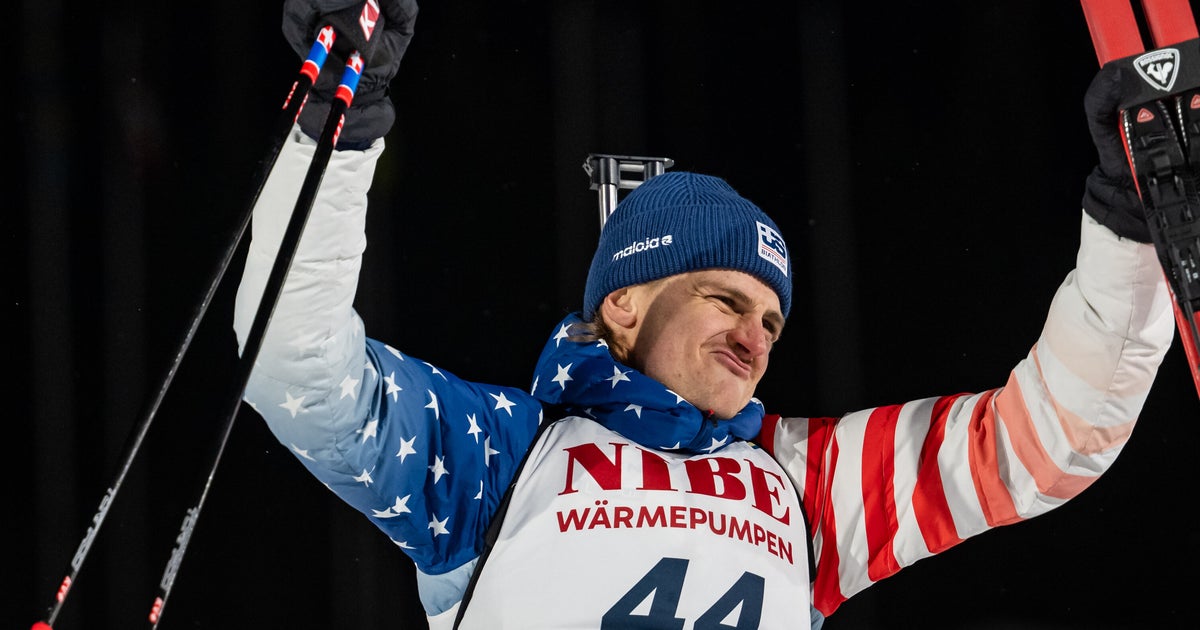
Campbell Wright has rewritten the record books for American biathlon. The 24-year-old from the United States claimed victory in the opening World Cup race of the season, becoming the first U.S. athlete ever to win a World Cup biathlon event. Competing in Kontiolahti, Finland, Wright combined speed on the skis with perfect accuracy at the range to secure a landmark win.
What Happened
Wright dominated the 20-kilometer individual race at the World Cup opener, finishing in 24 minutes and 29.8 seconds. He was the only competitor to hit every target during the shooting stages, a flawless performance that proved decisive. Germany's Justus Strelow crossed the line 1 minute and 20 seconds later for second place, while Norway's Vetle Sjaastad Christiansen finished third, 1 minute and 23 seconds behind the winner. Sturla Holm Laegreid, the reigning overall World Cup champion, finished fourth.
Why This Matters
Prior to this race, no American had ever stood atop a World Cup biathlon podium. While Lowell Bailey captured world championship gold in 2017, the World Cup circuit had remained out of reach for U.S. athletes. Wright's victory breaks that barrier and signals that the United States is now a contender in one of winter sport's most demanding disciplines.
Key Takeaways
- Campbell Wright became the first American to win a World Cup biathlon event.
- He won the 20-kilometer individual race in Kontiolahti, Finland, with a time of 24 minutes and 29.8 seconds.
- Wright was perfect at the shooting range, missing no targets.
- Justus Strelow of Germany finished second, and Vetle Sjaastad Christiansen of Norway took third.
- The World Cup schedule continues in Finland with relay races and sprints later in the week.
Conclusion
Wright described his performance as a perfect 10 out of 10, and the result backs up that confidence. With the World Cup season now underway, all eyes will be on whether the young American can build on this historic breakthrough. For U.S. biathlon, the win marks a turning point and a new era of possibility on the global stage.
Discussion
Join the conversation
Thoughtful reactions, questions, and follow-up ideas help shape the next story.