Introduction
A bipartisan group of 12 U.S. senators has written to President Donald Trump, urging him to rescind a recently announced diesel fuel agreement with Russia. The deal, announced via social media, would allow Russian exports of over 1.8 million tons of diesel to global markets, including the United States.
What Happened
Last week President Trump announced he had struck a deal with Russian President Vladimir Putin under which Russia would supply 300000 tons of diesel immediately followed by 500000 tons in November and one million tons shortly after. The agreement also includes an additional 3 million tons based on the condition of Russian refineries. The announcement came despite congressional legislation passed this summer authorizing tariffs on top Russian oil importers a measure named in honor of the late Senator Lindsey Graham.
Why This Matters
Twelve senators six Republicans and six Democrats argued that the diesel deal undermines support for Ukraine and provides Putin with resources to sustain his war effort. In their letter they warned that allowing Russian diesel into global markets offers limited to no relief to Americans while fueling the very conflict the sanctions package was designed to deter. The senators emphasized that the agreement would enable Russia to continue brutal attacks on Ukrainian civilians.
Key Takeaways
- Twelve senators equally divided between parties have called on the president to cancel the agreement.
- The deal was announced without prior congressional consultation bypassing recently passed sanctions legislation.
- Lawmakers argue the agreement benefits Russias war machine and betrays Ukrainian allies.
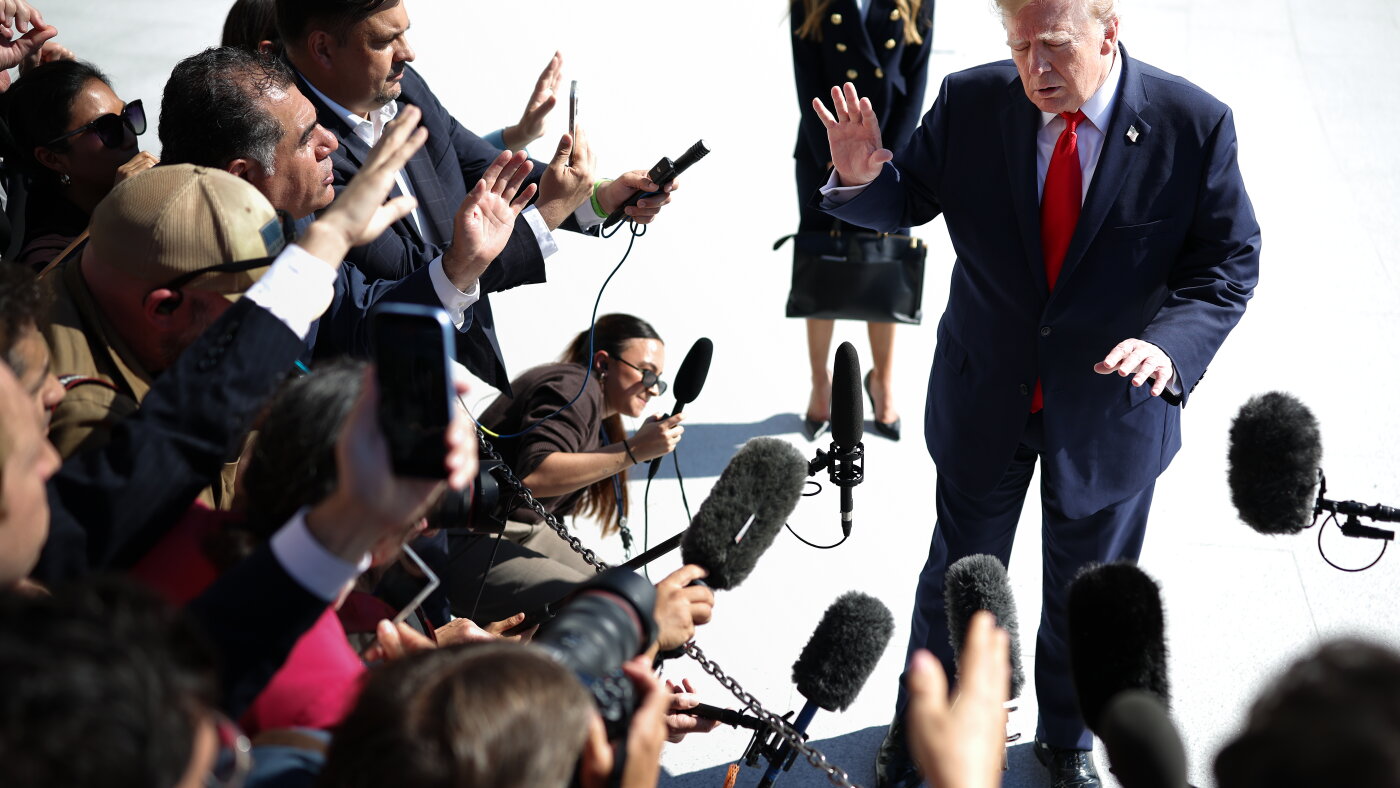
- The White House directed reporters back to the presidents comments stating the diesel would enter the global market not specifically the U.S.
Conclusion
The bipartisan push to block the Russian diesel deal highlights the ongoing tension between energy policy national security and international commitments to Ukraine. Whether the president will rescind the agreement remains uncertain but the senators letter makes clear that congressional opposition is bipartisan and firm.








Discussion
Join the conversation
Thoughtful reactions, questions, and follow-up ideas help shape the next story.