Introduction
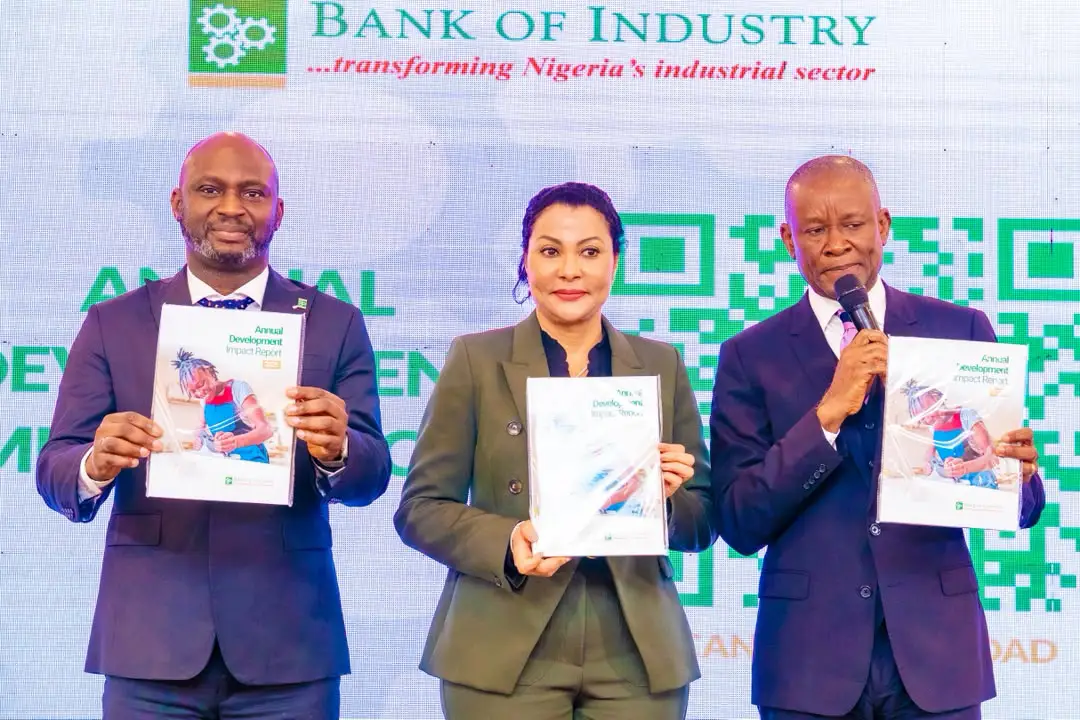
The Bank of Industry (BOI) has taken a significant step toward transparency and developmental accountability with the release of its first-ever Annual Development Impact Report. Moving beyond traditional metrics of loan volume, the report reframes the institution's success through tangible socio-economic outcomes across Nigeria.
What Happened
At a launch event in Abuja on July 2, 2026, BOI Managing Director Dr Olasupo Olusi outlined the bank's performance in its first full year under the 2025-2027 Corporate Strategy. The report reveals that N644.9 billion was disbursed to enterprises spanning nano, micro, small, medium and large sectors nationwide. A substantial portion of the funding-over 30 per cent-reached nano, micro, small and medium enterprises, while more than 20 per cent supported women- and youth-led businesses, underscoring BOI's commitment to inclusive growth. The bank's interventions are estimated to have supported 1.68 million jobs across direct, indirect and supported employment nationwide, spanning 14 strategic sectors aligned with Nigeria's industrialisation agenda.
Why This Matters
This report marks a pivotal shift in development finance, where outcomes such as job creation, climate resilience, and digital infrastructure take centre stage. By prioritising measurable development outcomes alongside financial performance, BOI positions itself as a catalyst for Nigeria's industrialisation and inclusive growth. The framework established in the report sets a new standard for how development finance institutions can translate capital into lasting economic impact.
Key Takeaways
- N644.9bn disbursed across Nigerian enterprises in 2025
- 1.68 million jobs supported through direct, indirect and supported employment
- Over 30 per cent of financing channelled to MSMEs; more than 20 per cent to women- and youth-led businesses
- Report independently assured by KPMG and the Policy Innovation Centre
- BOI surpassed 2025 targets across six strategic priorities: infrastructure, MSMEs, digital transformation, youth empowerment, gender inclusion and climate action
- New initiatives introduced during the year include the Rural Area Programme on Investment for Development (RAPID), the Guaranteed Loans for Women (GLOW) programme, and the Investment in Digital and Creative Enterprises (iDICE) framework
- Significant investments in critical infrastructure: over N35 billion for broadband expansion, N30.6 billion for power infrastructure and more than N20 billion for aviation sector upgrades
Conclusion
BOI's inaugural Impact Report sets a new benchmark for accountability in Nigeria's development finance landscape. By aligning financial flows with tangible outcomes and committing to a robust Development Impact Framework, the bank is positioned to deepen its role in driving sustainable jobs, local value addition and national competitiveness. As the institution scales its support for enterprises and value chains, the report offers a clear roadmap for how development finance can translate capital into enduring economic transformation.


Discussion
Join the conversation
Thoughtful reactions, questions, and follow-up ideas help shape the next story.