Introduction
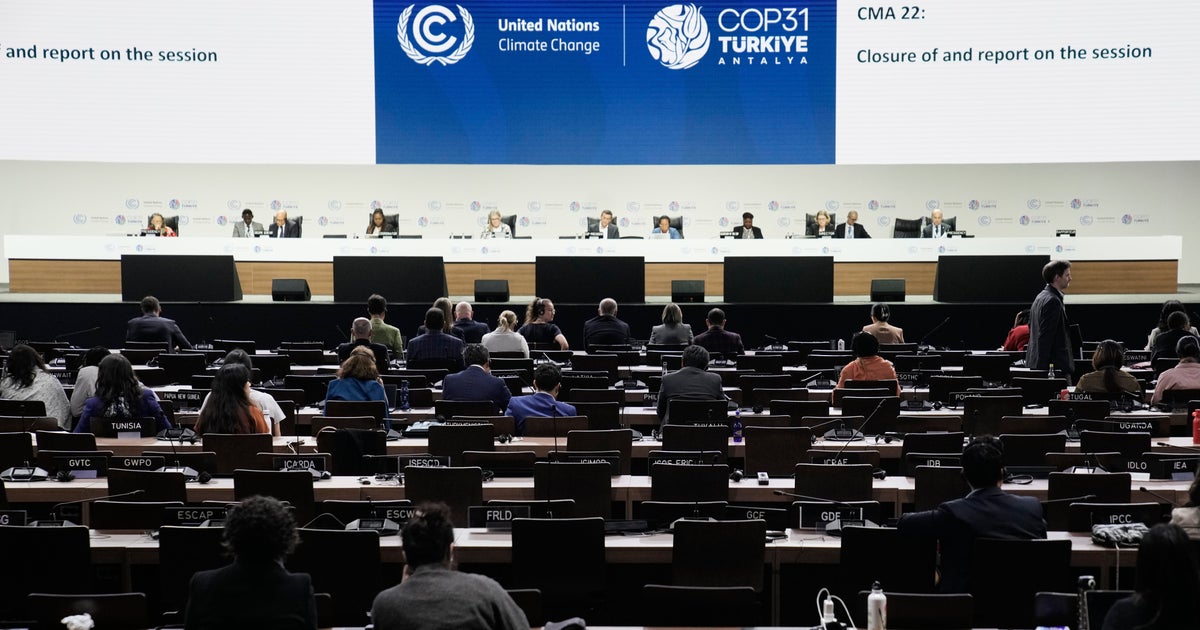
The latest round of United Nations climate negotiations has ended without a comprehensive agreement. Delegates gathered in Antalya, Turkey, for two weeks of discussions known as COP31, but left without adopting a central cover decision. The breakdown came as global temperatures continue to climb, with scientists warning that the world is on track to exceed key international warming limits.
What Happened
Negotiators could not bridge deep divisions over whether the final text should explicitly address fossil fuels. Several countries and the European Union rejected a draft put forward by the Turkish and Australian co-hosts because it omitted direct references to oil, gas, and coal. Meanwhile, other governments pushed to keep those fuels out of the agreement entirely. The talks ran roughly 48 hours past their scheduled close before collapsing in a plenary session. Turkish Environment Minister Murat Kurum, who presided over the summit, was absent when the failure was announced, and Australia's Chris Bowen described the outcome as deeply disappointing.
Beyond the main agreement, delegates made limited progress on narrower issues. A separate initiative backed by nearly 100 countries aims to raise electricity's share of global final energy consumption from roughly 21 percent to 35 percent by 2035. That pledge focuses on shifting transport and industry away from combustion fuels. However, broader questions about financing for developing nations, gender-responsive climate action, and the mechanics of moving away from fossil fuels were postponed until next year's conference in Ethiopia.
Why This Matters
The failure leaves the international community without a renewed collective mandate at a moment when climate impacts are intensifying. United Nations officials have said it is now nearly unavoidable that the planet will surpass the 1.5-degree Celsius target established by the 2015 Paris Agreement. Independent researchers estimate global warming could reach between 2.7 and 3 degrees Celsius by the end of the century, and data from Berkeley Earth indicates October 2026 was the warmest month ever recorded relative to preindustrial levels, with a high probability that 2026 will be the hottest year on record.
The impasse also highlights a recurring tension in global climate diplomacy. Fossil fuels went unmentioned in final COP decisions for more than a quarter-century. A landmark deal in the United Arab Emirates three years ago called for transitioning away from those fuels, but the language has struggled to gain traction in subsequent talks. Observers argue that without explicit commitments, it becomes harder to hold governments accountable for emissions reductions.
Key Takeaways
- COP31 in Antalya, Turkey, ended without a cover decision or overarching climate agreement.
- The central dispute centered on whether the final text should explicitly mention fossil fuels.
- The European Union and several nations rejected the Turkish-Australian draft for omitting fossil fuel references.
- Russia and Saudi Arabia worked to keep fossil fuels out of the document.
- A separate electrification pledge gained support from nearly 100 countries, targeting 35 percent electricity use by 2035.
- Finance, adaptation, and gender-climate issues were deferred to next year's summit in Ethiopia.
- Scientists project warming of 2.7 to 3 degrees Celsius by 2100, with 2026 likely to be the hottest year on record.
Conclusion
The collapse of COP31 underscores how difficult it remains to forge consensus among nearly 200 nations on the central drivers of climate change. While smaller pledges, such as the push for greater electrification, offer some forward momentum, the absence of a unified agreement leaves major questions unanswered. With the next round of talks set for Ethiopia, pressure will mount on governments to convert broad climate promises into concrete, enforceable action before warming impacts become even more severe.
Discussion
Join the conversation
Thoughtful reactions, questions, and follow-up ideas help shape the next story.