Introduction
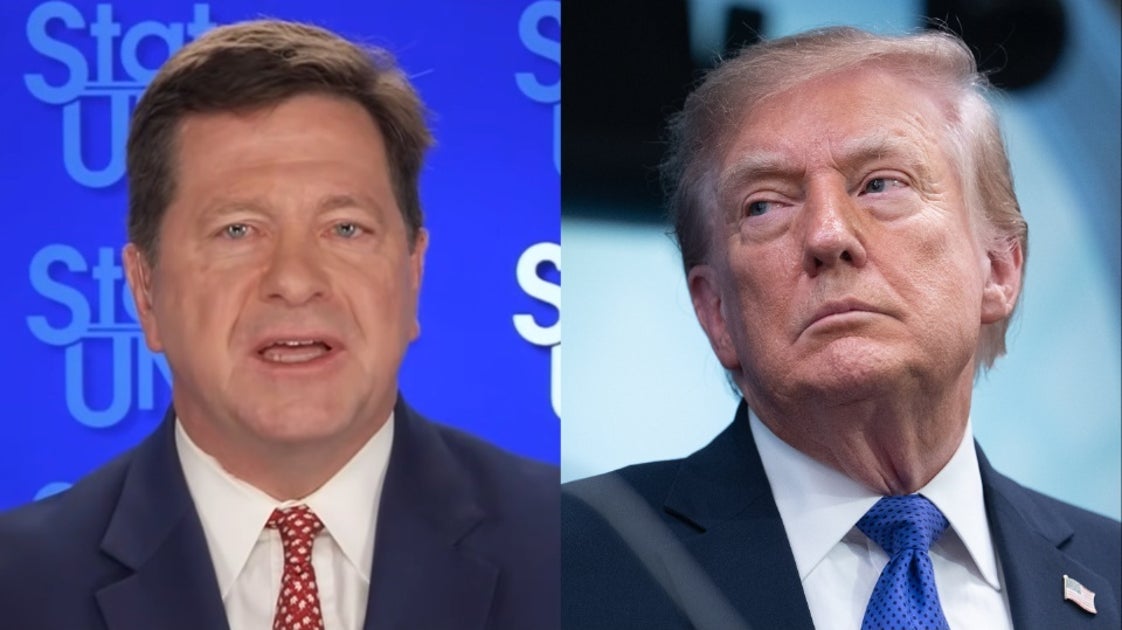
CNN anchor Dana Bash recently pressed President Donald Trump’s director of national intelligence, Jay Clayton, on a straightforward question: Is Russian President Vladimir Putin a friend of the United States? The exchange took place after Trump shared warm photos with Putin and Chinese President Xi Jinping following a trilateral summit in Shenzhen, China. Clayton’s refusal to give a direct answer has renewed debate about how the administration characterizes its relationship with Moscow.
What Happened
During a Sunday appearance on CNN’s “State of the Union,” Bash asked Clayton directly whether he views Putin as a friend of the United States. Instead of answering, Clayton praised Trump’s handling of international affairs, describing the three-way meeting between the U.S., Russia, and China as historic and remarkable. He said he trusts the president completely regarding the language Trump uses. When Bash asked a second time for a personal view on Putin, Clayton declined again, suggesting that wording depends on context. Bash eventually ended the line of questioning, telling Clayton they would have to leave it there.
Why This Matters
The refusal to label Putin as anything other than a partner comes at a sensitive moment. Trump’s public display of closeness with Putin and Xi—including photos shared on Truth Social—drew criticism from lawmakers and allies in Ukraine and Europe. Intelligence leaders are typically expected to offer clear assessments of adversarial nations, and Russia remains a designated strategic competitor of the United States. When the nation’s top intelligence official avoids characterizing that relationship, it leaves room for confusion about official U.S. policy toward Moscow.
Key Takeaways
- Dana Bash asked Jay Clayton if Vladimir Putin is a friend of the United States.
- Clayton did not answer directly and instead defended Trump’s diplomatic approach.
- The exchange followed a trilateral summit in Shenzhen involving Trump, Putin, and Xi Jinping.
- Trump shared friendly photos with Putin and Xi on Truth Social after the meeting.
- Clayton said he trusts Trump completely on the language used to describe foreign leaders.
- Bash ended the interview segment without receiving a clear answer.
Conclusion
The interaction highlights a broader tension between traditional intelligence assessments and the president’s personal diplomatic style. By declining to say whether Putin is a friend or foe, Clayton avoided contradicting the president but also left a straightforward national security question unanswered. For observers of U.S. foreign policy, the moment underscores how carefully administration officials must navigate public comments about Russia while the president pursues a more personal rapport with its leader.
Discussion
Join the conversation
Thoughtful reactions, questions, and follow-up ideas help shape the next story.