Introduction
The effective corporate income tax rate in the U.S. has fallen to its lowest point in decades, raising alarms among policy experts and budget watchdogs. A recent report from the Institute on Taxation and Economic Policy highlights how a growing number of profitable firms now contribute a fraction of what they once did to federal coffers.
What Happened
According to the ITEP study, more than 700 profitable corporations paid an effective federal income tax rate of just 10.4 percent last year, less than half the 21 percent statutory rate. Over 250 of those companies paid effective tax rates below 7 percent, and 114 firms, including Tesla, Walt Disney, United Airlines, and DoorDash, reported zero current federal income tax. The analysis was based on SEC-filed financial reports, not lagging IRS data.
Why This Matters
Corporate tax revenue has plummeted, dropping about 70 billion dollars to 381 billion dollars in the most recent fiscal year, a 15 percent decline and the lowest level in years. Meanwhile, corporate profits surged to a record 4.7 trillion dollars over the past 12 months, a 17 percent increase. Policy experts warn that the hundreds of companies paying reduced rates pose a larger threat to federal revenue than the 114 zero-tax firms, since the former collectively saved 198 billion dollars last year versus a fraction of that amount from the latter.
Key Takeaways
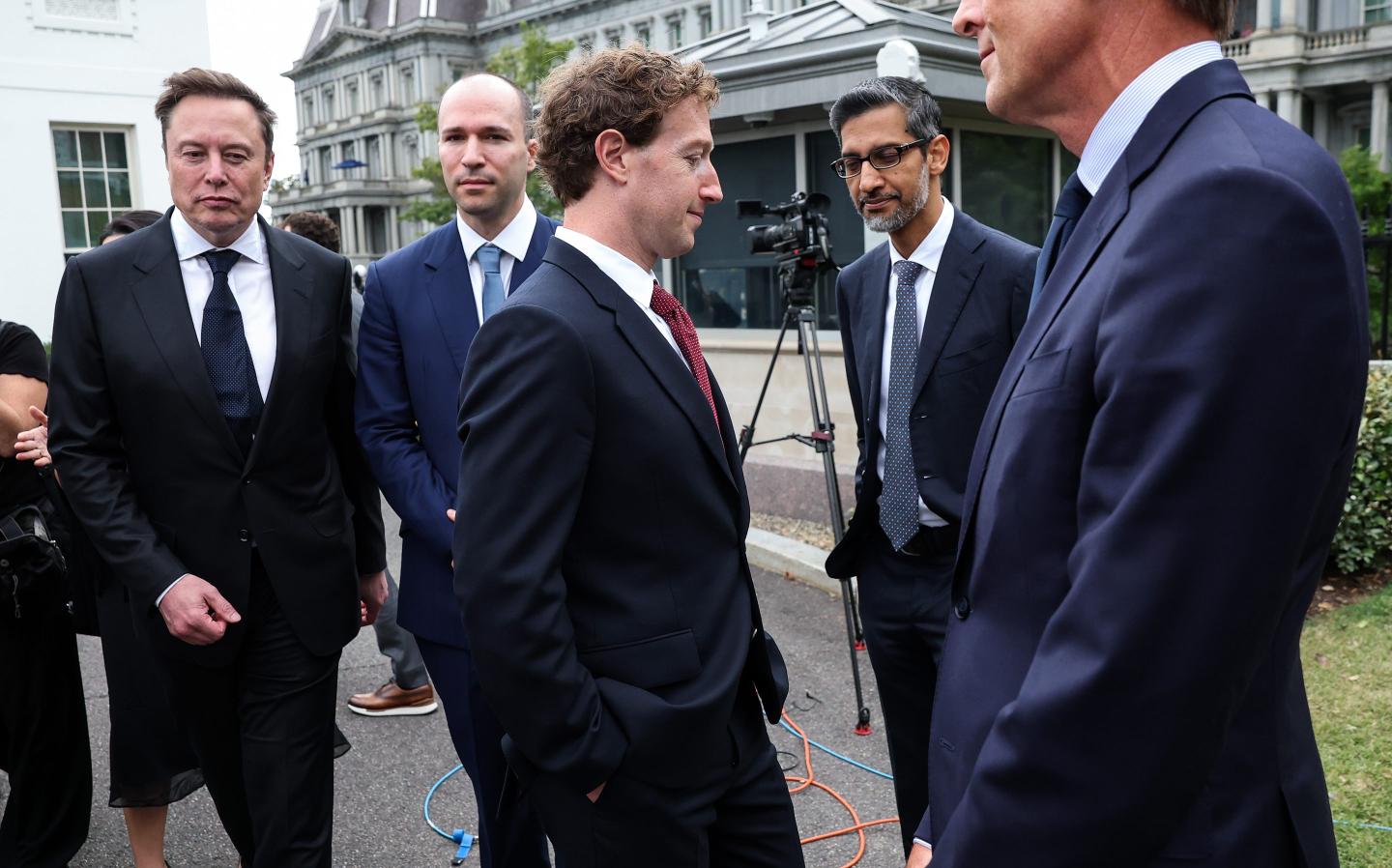
Tax policy changes introduced during the Trump administration, including the 2018 rate cut from 35 percent to 21 percent and the One Big Beautiful Bill Act passed last year, made permanent several breaks such as immediate expensing of domestic research and development and 100 percent bonus depreciation for qualifying property. The four companies with the largest savings, Alphabet, Microsoft, Amazon, and Meta collectively kept 46 billion dollars from these two provisions alone, much of it funneled into AI and infrastructure investments. Meta has faced particular scrutiny over claims that its AI data centers qualify as experimental research and development, while senators have pressed the company for details. Experts suggest these trends will persist unless legislative changes reverse the current incentives.
Conclusion
The shrinking corporate tax base presents a significant challenge to federal funding and deficit reduction, especially as profits reach record highs. While a subset of companies pay nothing in income tax, the broader group paying effective rates well below the statutory 21 percent rate is where the real revenue leak occurs. Ongoing legislative battles and advocacy from both sides will shape whether the U.S. tightens corporate taxation or continues down a path of diminishing contributions from its most profitable firms.






Discussion
Join the conversation
Thoughtful reactions, questions, and follow-up ideas help shape the next story.