Introduction
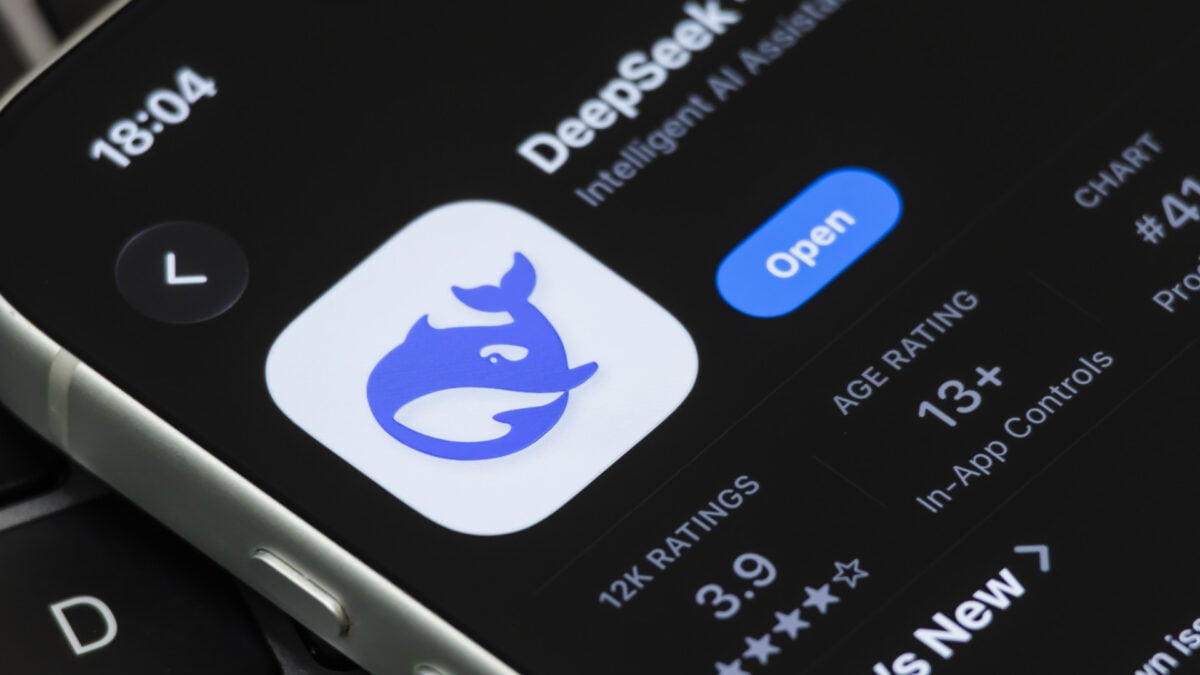
The AI race between the U.S. and China has intensified scrutiny on foreign-developed models. The Department of Homeland Security has moved to prohibit DeepSeek across federal civilian agencies, marking a significant escalation in government concerns about Chinese artificial intelligence tools.
What Happened
On Monday, the DHS issued a formal order requiring agencies like the Department of State to remove DeepSeek products and any third-party services relying on its AI models. Secretary Markwayne Mullin warned in an accompanying note that DeepSeek's account generation process collects personally identifiable information and may digitally fingerprint users. Officials also flagged that compiled data could be transferred to the Chinese government and that the models themselves might contain embedded malware. This action builds on earlier restrictions from the Navy and the Department of Commerce, which had already instructed personnel against using DeepSeek's technology.
Why This Matters
This ban formalizes worries that have been growing since DeepSeek's R1 model debuted, delivering performance comparable to U.S. systems at a fraction of the cost and triggering a trillion-dollar market reaction. The decision underscores the government's view that Chinese-developed AI poses potential vectors for data exfiltration and intellectual property threats. With Beijing reportedly considering export controls on overseas AI deployments and U.S. officials alleging illicit distillation practices, the restriction reflects broader tensions in the technological competition between the two superpowers.
Key Takeaways
- The Department of Homeland Security has mandated the removal of DeepSeek from all federal civilian networks.
- Officials cite the collection of personally identifiable information and the risk of data transfer to China as primary concerns.
- Previous restrictions from the Navy and Department of Commerce highlight a growing consensus across multiple branches of government.
- The ban reflects broader anxieties about the AI race with China and the potential for foreign-developed models to be used for surveillance or intellectual property extraction.
- Distillation allegations and proposed export controls from Beijing further complicate the landscape, suggesting this may not be the last regulatory move involving Chinese AI tools.
Conclusion
The federal prohibition on DeepSeek signals that national security now takes precedence over the cost and performance advantages offered by foreign AI models. As the AI competition with China intensifies, further restrictions and policy frameworks are likely. Organizations operating in the government sector should audit their AI toolkits, ensure compliance with the new directives, and monitor upcoming developments in US-China AI dialogue initiatives.






Discussion
Join the conversation
Thoughtful reactions, questions, and follow-up ideas help shape the next story.