Introduction
El Niño has already made its presence felt across the Pacific, with satellite data showing sea levels climbing as much as 1.3 feet in key regions. This thermal expansion, driven by unusually warm ocean waters, is reshaping coastal risk profiles just as the holiday season approaches.
What Happened
Using NASA's Sentinel-6 satellite altimetry, researchers measured sea-level anomalies across the eastern Pacific that coincide with Kelvin waves, massive, slow-moving swells of warm water thousands of miles long. These waves warp trade winds and push taller, warmer water eastward toward the Pacific coasts of North and South America. The result is a pronounced bulge in sea level that sits atop already rising baseline oceans. Scientists note that this year's event is amplified by a strong El Niño pattern, making the thermal spike steeper than what would be expected from a simple linear model.
Why This Matters
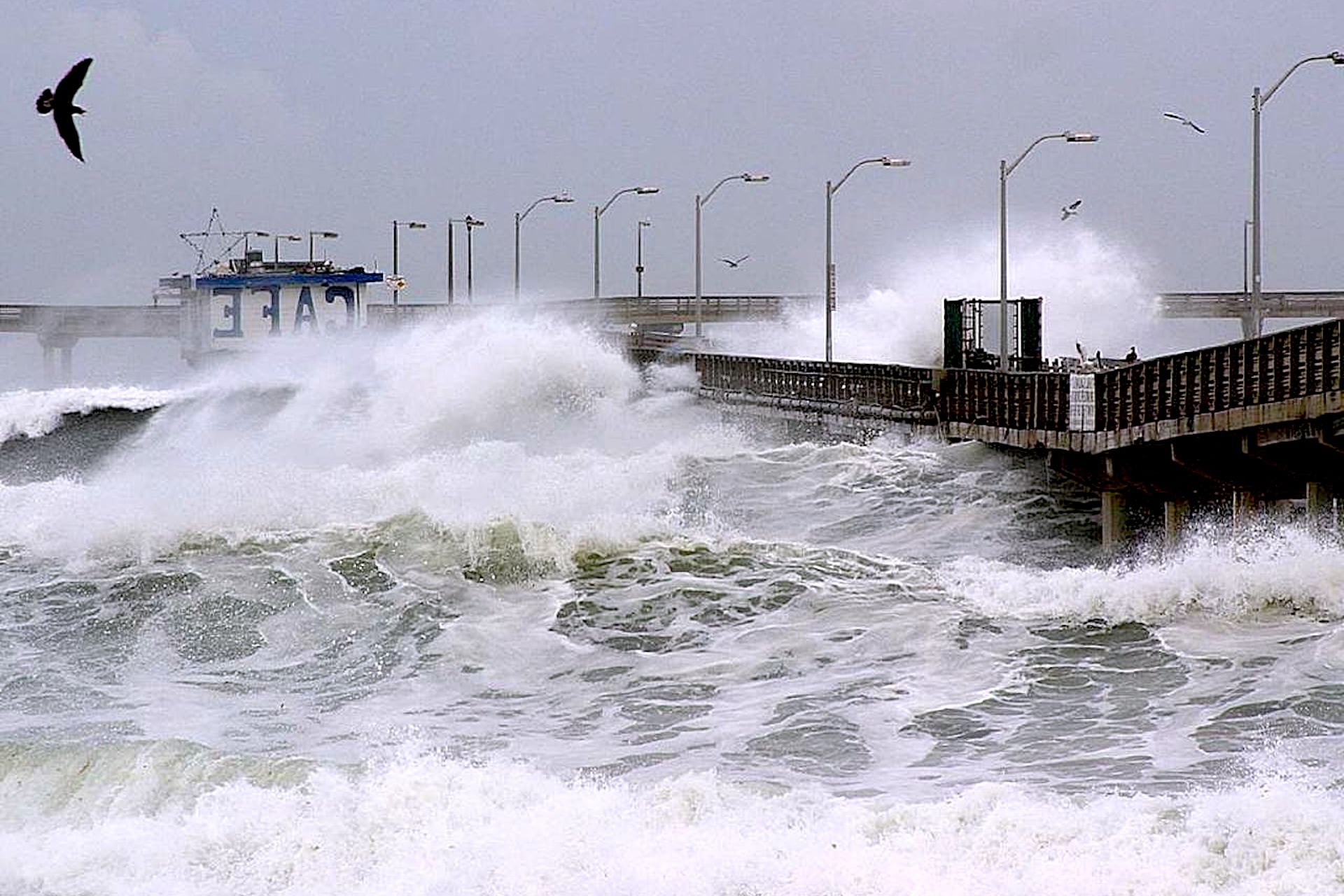
Experts warn that the 1.3-foot rise, combined with the Moon's 18.6-year lunar nodal cycle and an abnormally high tide season, could multiply coastal flooding risks. A new pre-print study forecasts up to a tenfold increase in extreme sea-level risk along coastlines stretching from Alaska to Chile during the 2026-27 El Niño. Researchers highlight that the timing could not be worse: peak tides are expected during Thanksgiving and Christmas weeks, periods of heavy travel and coastal gatherings. In California, recent flooding after tropical storm Rachel illustrates how quickly these conditions can escalate. The study also finds that strong El Niño events drive sea-level rise more steeply than smaller events, meaning linear projections would underestimate the danger. Monahan and his coauthors calculate that these factors may produce 99th-percentile extremes in up to half of all high-water events at some sites, with potential for major flooding and ecological damage. They compared these weather disasters to events normally projected for 40 or 50 years from now under climate models like the UN's IPCC Shared Socio-economic Pathways.
Key Takeaways
An interactive tool called El Niño Flood Watch allows users to explore how the research team's projections apply to specific Pacific-coast locations, including Hawaii. While the tool is a research product and not an official warning, its creator hopes it will prompt timely preparation. Key takeaways include the non-linear nature of strong El Niño impacts, the added risk from lunar cycles, and the importance of treating these forecasts as a call to action especially for communities preparing for holiday-season travel and gatherings.
Conclusion
El Niño's thermal expansion has already shifted Pacific sea levels by over a foot, and when combined with lunar cycles and holiday tides, the risk of severe coastal flooding spikes dramatically. Experts stress that while there is still time to prepare, action must be taken now to mitigate potential impacts on communities, infrastructure, and ecosystems along the Pacific rim.







Discussion
Join the conversation
Thoughtful reactions, questions, and follow-up ideas help shape the next story.