Introduction
European Commission President Ursula von der Leyen's recent Arctic visit marked a significant moment for European investment in Greenland, signaling strong support amid geopolitical tensions.
What Happened
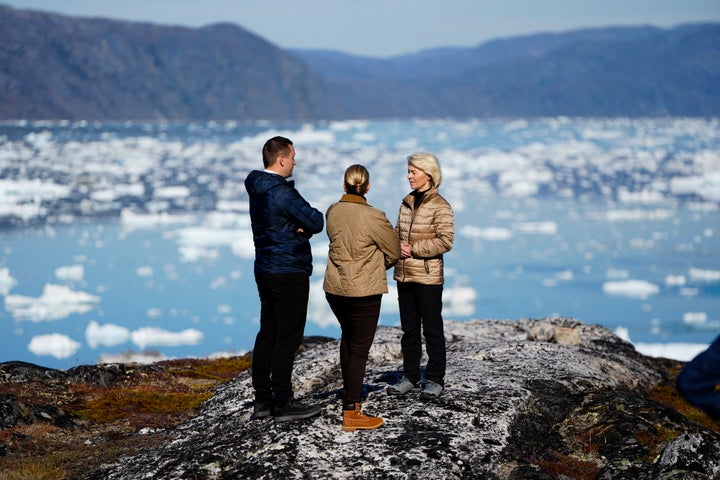
Von der Leyen arrived in Greenland for a two-day visit, announcing €200 million in new EU investments focused on critical minerals, satellite communications and renewable energy. The trip served as a clear show of solidarity for the governments of Greenland and Denmark, both of which have firmly resisted former President Donald Trump's push to acquire the territory. Accompanied by Greenland's Prime Minister Jens-Frederik Nielsen and Denmark's Prime Minister Mette Frederiksen, the EU chief toured the abandoned settlement of Qoornoq (Bear Island). The announcement also included a long-term commitment to increase EU funding for Greenland from €225 million to €530 million across the 2028–2034 budget period, expanding support beyond traditional fishing and education sectors into high-tech and green energy industries.
Why This Matters
The EU's substantial investment underscores the Arctic's escalating strategic value as melting ice reveals new shipping routes and untapped mineral resources. By deepening financial ties, the EU reinforces its commitment to NATO ally Denmark and the self-governing territory of Greenland, countering unilateral attempts at territorial control. The funding package also aims to mitigate climate impacts by advancing renewable energy and satellite infrastructure, ensuring the territory can better monitor and adapt to rapid environmental change.
Key Takeaways
- EU commits €200 million in immediate investments targeting critical minerals, satellite technology and renewable energy in Greenland.
- Long-term EU funding for Greenland is set to double, reaching €530 million from 2028 to 2034.
- The visit reinforces transatlantic solidarity with Denmark and Greenland amid ongoing Arctic geopolitical disputes.
- New funding sectors signal a shift from traditional fisheries and education support toward critical tech and green energy.
- Arctic melting and strategic competition make EU engagement a key factor in regional stability and climate adaptation.
Conclusion
Von der Leyen's Greenland trip and the accompanying €200 million package send a clear message: the EU intends to play a sustained, strategic role in the Arctic through partnership, investment and climate-focused development. As the region's importance grows, the EU's expanded funding framework positions it as a reliable ally for Greenland's future while reinforcing broader goals of climate resilience and regional security.
Discussion
Join the conversation
Thoughtful reactions, questions, and follow-up ideas help shape the next story.