Introduction
France is facing a series of high-profile cyber intrusions that have targeted both financial institutions and critical healthcare infrastructure. In a rare dual threat, hackers struck major banking entities and the systems responsible for storing the nation's blood supply, prompting officials to assess the resilience of essential services.
What Happened
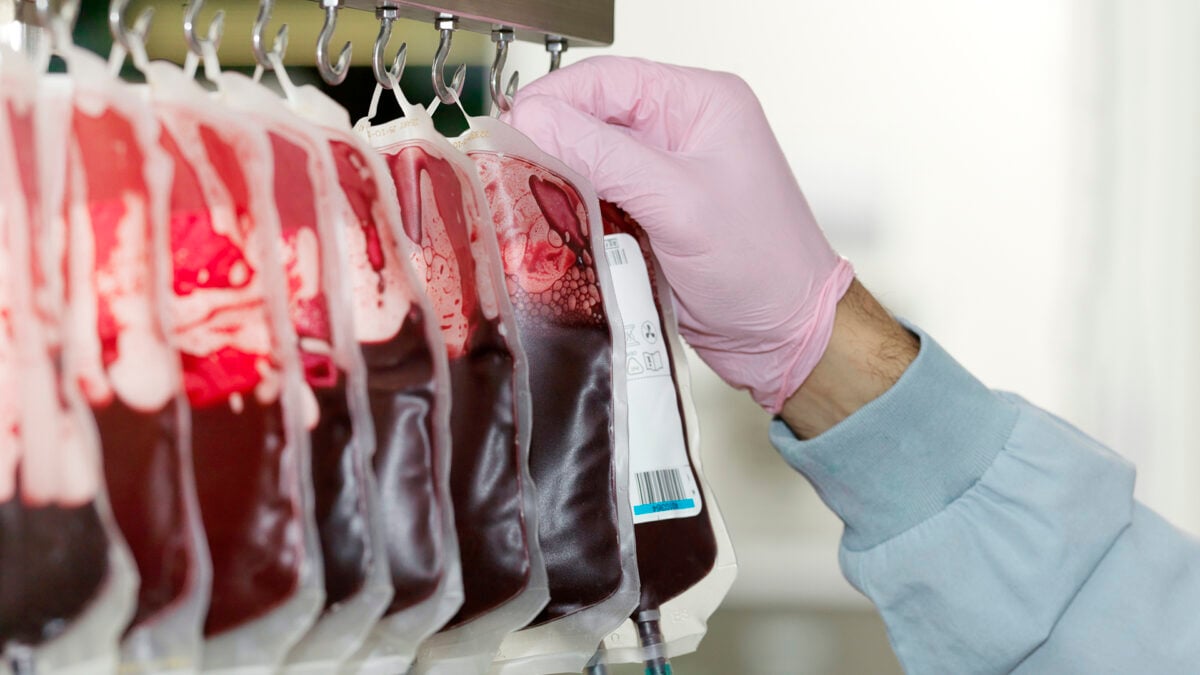
According to reports, Crédit Mutuel Arkéa, one of France's largest banking groups, confirmed that hackers executed fraudulent transactions moving money out of the bank. While the exact amount stolen remains disputed, crypto investigator ZachXBT flagged the movement of funds through USDC and USDT stablecoins, later traced through conversions into Monero to obscure the trail. French officials stated the stolen amount poses no threat to the bank's overall stability. Separately, hackers breached the control systems of refrigeration units at three sites used by France's national blood service. Rather than stealing funds, the attackers manipulated temperature and defrost settings at three cold storage facilities holding blood products. Officials detected the changes in time to prevent any loss of medical supplies, but the incident highlights the vulnerability of healthcare logistics to digital sabotage.
Why This Matters
The dual nature of these attacks underscores a growing concern: not all cyber threats are after money. While financial theft can often be recovered or insured, medical supply disruptions carry irreversible consequences. Blood products cannot be manufactured on demand, and any compromise could directly impact patient care. The attacks also tie into broader patterns, including the $6 billion Binance heist attributed to North Korean actors, suggesting state-backed groups are expanding targets from crypto exchanges to critical public services.
Key Takeaways
- French authorities are managing two distinct cyber incidents affecting banks and blood storage facilities.
- Crypto laundering via stablecoins and privacy-focused coins like Monero is a recurring tactic in large-scale thefts.
- Healthcare infrastructure, particularly temperature-sensitive supply chains, is increasingly viewed as a soft target.
- Official responses emphasize rapid detection, but the incidents reveal systemic gaps in securing diverse critical assets.
- The attacks reflect a broader trend of state-aligned actors targeting financial and medical systems simultaneously.
Conclusion
As France assesses the fallout from these coordinated strikes, the incidents serve as a stark reminder that no sector is immune to sophisticated cyber threats. Strengthening defenses across financial and healthcare networks will be essential to prevent future disruptions that could affect millions of people.




Discussion
Join the conversation
Thoughtful reactions, questions, and follow-up ideas help shape the next story.