Introduction
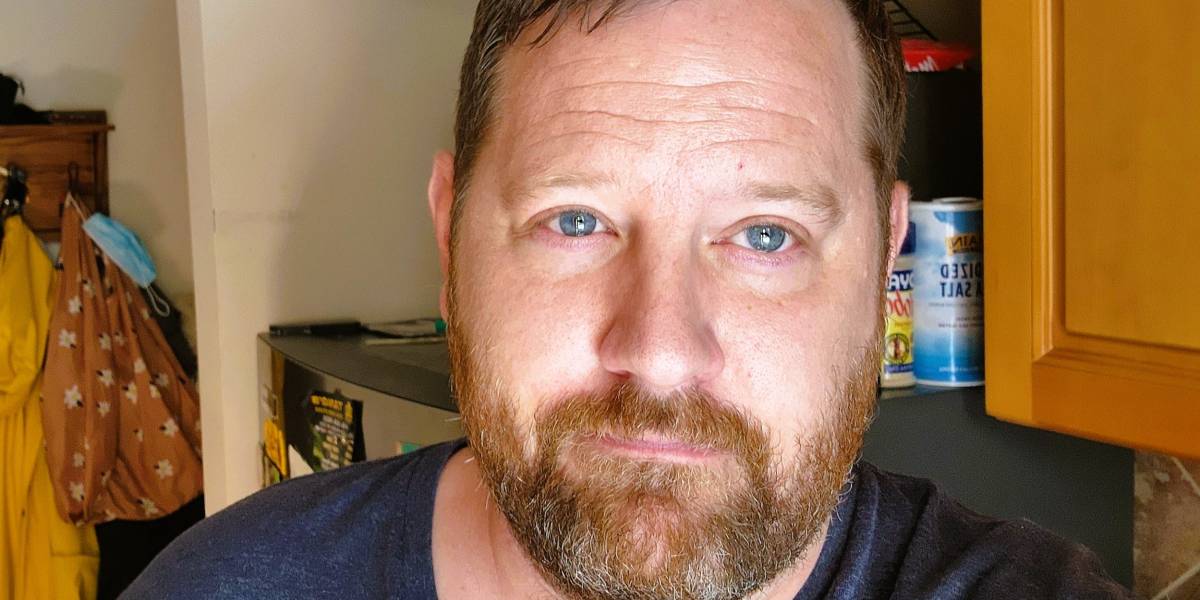
Freddie deBoer's latest book, All in Your Head, provokes discussion before its official release. The writer and activist argues that disability and mental illness have been reshaped into identity markers by the privileged, while the most severely ill are left invisible.
What Happened
DeBoer spent hours recording conversations with three mothers caring for adult children with severe schizophrenia. Their exhaustion and frustration stuck with him: they felt shut out of discussions about disability, telling him they were not allowed to weigh in on this stuff. That exchange sparked a 2022 essay and eventually the book, which attacks the anti-psychiatry movement, trauma culture, and the casual labeling of diagnosis.
Why This Matters
DeBoer contends that disability has been gentrified - repositioned as a badge of privileged identity while the catatonic and profoundly impaired are forgotten. He cites data showing over 20% of undergraduates at Harvard and Brown identify as disabled, while Amherst reaches 34% and Stanford nears 40%, arguing this dilution obscures real need. He also warns that trauma has become a floating nothing online, and that K-12 special education resources are stretched thin as classrooms fill with individualized plans.
Key Takeaways
- DeBoer's personal history - bipolar disorder, hospitalization, and professional fallout - fuels his critique.
- He rejects the contrarian label, insisting his views are firmly left-wing.
- The book argues that claiming disability as identity often erases the experiences of those with severe, persistent conditions.
- Internet subcultures, particularly gated platforms like Reddit and Discord, are amplifying diagnostic trends, including teenage girls claiming dissociative identity disorder.
- DeBoer insists that real disability justice requires more than performative alignment; it needs material support.
Conclusion
Whether you agree or disagree with deBoer's conclusions, All in Your Head forces a reckoning with how culture, politics, and the internet are reshaping disability. As deBoer puts it, the fight isnt about who is in your out-group its about what disabled people actually need.







Discussion
Join the conversation
Thoughtful reactions, questions, and follow-up ideas help shape the next story.