Introduction
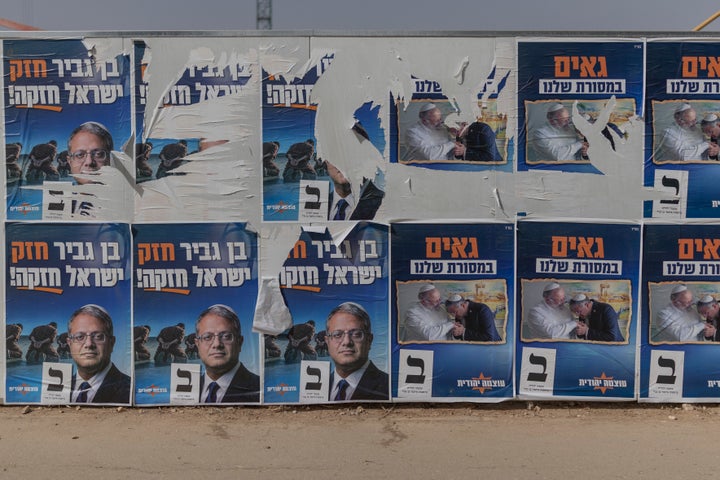
Israel prepares for a pivotal election just years after the October 2023 Hamas attack, with voters deciding whether Prime Minister Benjamin Netanyahu and his far-right coalition retain power — and what that means for 5 million Palestinians living under occupation in Gaza and the West Bank.
What Happened
Polls released Wednesday indicate neither the opposition nor Netanyahu’s coalition is on track to secure the 61 seats needed for a Knesset majority. Projections suggest the anti-Netanyahu bloc could win 53 seats versus the prime minister’s 51, leaving the parliament deeply fragmented. Multiple parties clear the 3.25% electoral threshold, including Palestinian-led lists such as the Joint List and the United Arab List, which could hold the balance of power.
- The election pits Netanyahu’s Likud-led right-wing bloc against a unified opposition coalition led by former military chief Gadi Eisenkot and his Yashar party.
- Yair Golan, the sole liberal voice in Eisenkot’s alliance, has openly supported a two-state solution, though he calls the goal unrealistic for the foreseeable future.
Why This Matters
The election outcome will shape policies on settlements, movement restrictions, humanitarian access in Gaza, and the daily reality of Palestinians under military rule. Nearly 2 million Palestinian citizens of Israel have voting rights, yet Palestinians in the West Bank and Gaza are barred from the polls, even as Israel controls land, air, and sea access to both territories.
Analysts note that Palestinian voters are often told their ballots legitimize a system that denies them full rights, but this cycle, many are mobilizing anyway, hoping to unseat hard-line figures like National Security Minister Itamar Ben-Gvir, whose policies have drawn international condemnation.
The vote also unfolds amid ongoing ICC arrest warrants for Netanyahu and his former defense minister, genocide allegations at the International Court of Justice, and widespread scrutiny of settlement expansion deemed illegal under international law.
Key Takeaways
- Palestinian parties could win up to 13 seats — more than typical, though short of the 15 achieved in 2020 — making them potential kingmakers if no bloc reaches 61 seats.
- The United Arab List has historically been willing to join governing coalitions, while the Joint List maintains a stricter stance aligned with Palestinian national goals.
- Even if Netanyahu loses, both major coalitions support continued settlement expansion and oppose a two-state solution in the foreseeable future, meaning fundamental changes to the occupation likely require sustained international pressure rather than domestic electoral shifts alone.
- Voter turnout among Palestinian citizens may rise significantly, driven by campaigns urging mass participation as a means to pressure security policy and settlement agendas.
Conclusion
As Israel votes, the world watches whether a change in leadership can translate into tangible relief for Palestinians facing ongoing blockade, settler violence, and restricted movement. While the election may alter the composition of the Knesset, analysts caution that without external pressure, the core structures of occupation and inequality are unlikely to shift. For Palestinian citizens, the vote represents a complex calculus: participating to influence security policy, or abstaining to avoid legitimizing a system that denies their full humanity. Whatever the night brings, one thing is clear — the stakes for the 5 million Palestinians living under occupation could not be higher.





Discussion
Join the conversation
Thoughtful reactions, questions, and follow-up ideas help shape the next story.