Introduction
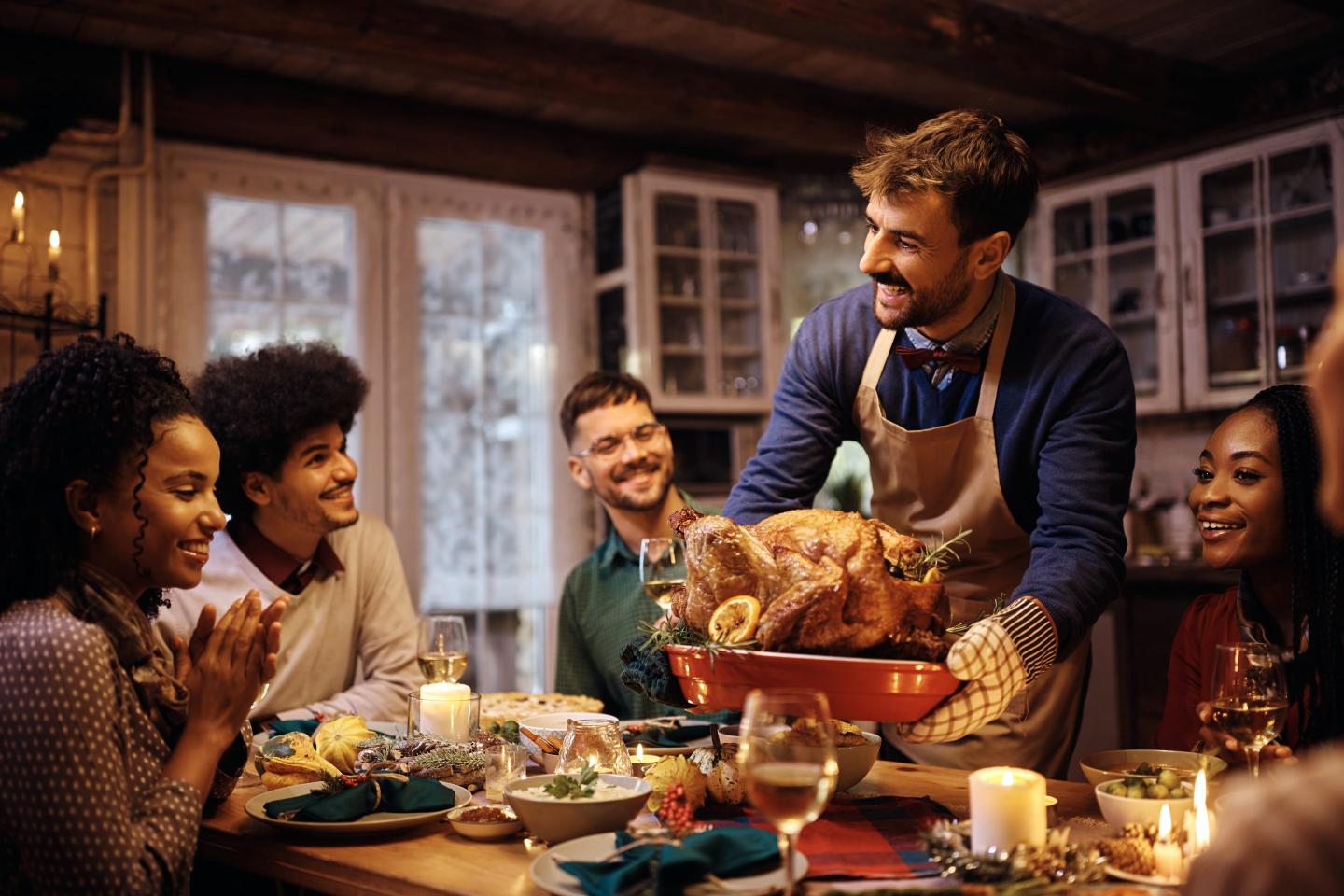
Hosting a holiday meal for friends in a cramped apartment can feel equal parts chaotic and meaningful. That tension is at the heart of Friendsgiving, a celebration that puts chosen family at the center of the table. Although the term only entered popular use in the early 2000s, people have been sharing informal, friend-focused feasts for far longer. This piece looks at where the tradition came from, why it resonates today, and how to host one without burning out.
What Happened
The author, a food studies scholar, recalls hosting her first Friendsgiving in a small Atlanta home with a foldout table and not enough chairs. Despite the tight quarters, the experience sparked pride and creative freedom. She departed from her grandmother’s classic recipes, experimented with show-stopping desserts, and designed her own tablescape—proof that the holiday can reflect personal taste rather than inherited obligation.
Historically, American dinner parties trace back to Victorian-era etiquette, where gatherings signaled class and social standing. Sociologist Alice P. Julier, author of Eating Together: Food, Friendship, and Inequality, found that even in modern non-kin gatherings, women frequently shoulder most of the planning and labor. Friendsgiving offers a workaround: the work can be divided based on each person’s time, budget, and energy.
Survey data underscores the appeal. A 2023 poll of 2,061 adults found that 90 percent experienced holiday stress tied to finances, grief, family conflict, or expectations. In a separate 2024 survey of 1,000 people, one in five said they planned to celebrate Friendsgiving. Because it is not a formal holiday, its structure is flexible, making it an alternative for those who find traditional family gatherings difficult.
Why This Matters
For many adults in their twenties and thirties, life looks very different from one person to the next. Some are saving for a home, others are navigating rent, dating apps, or childcare. Friendsgiving acknowledges that reality by letting guests define what the gathering looks like. It can be a potluck, a cultural cuisine showcase, or a playful experiment where a burned casserole is simply part of the story.
The format also shifts the emotional labor of holiday hosting. Rather than replicating rigid kin-keeping traditions, participants can invite their found family and set their own rules. That flexibility is especially valuable during a season when stress levels run high.
Key Takeaways
- The word “Friendsgiving” dates to the early 2000s, but the practice of celebrating with friends predates it.
- About 20 percent of people surveyed in 2024 planned to observe the occasion.
- Nine in ten adults reported holiday stress in a 2023 survey, citing money, loss, family tension, or expectations.
- Research shows women often handle most dinner-party labor; Friendsgiving makes it easier to share those duties.
- Experts recommend clarifying the event’s purpose before inviting guests.
- A flexible menu, assigned dishes, and attention to dietary restrictions can prevent hosting burnout.
- Asking guests to bring pre-cooked food eases oven congestion, and sending leftovers home in containers extends the celebration.
Conclusion
Friendsgiving endures because it gives people permission to make the holidays their own. There is no single right way to host it, and perfection is not the goal. Whether you serve a traditional turkey or a dish from your own heritage, the point is gathering with the people you choose. If you are looking for a lower-pressure way to mark the season, a Friendsgiving might be exactly what you need.
Discussion
Join the conversation
Thoughtful reactions, questions, and follow-up ideas help shape the next story.