Introduction
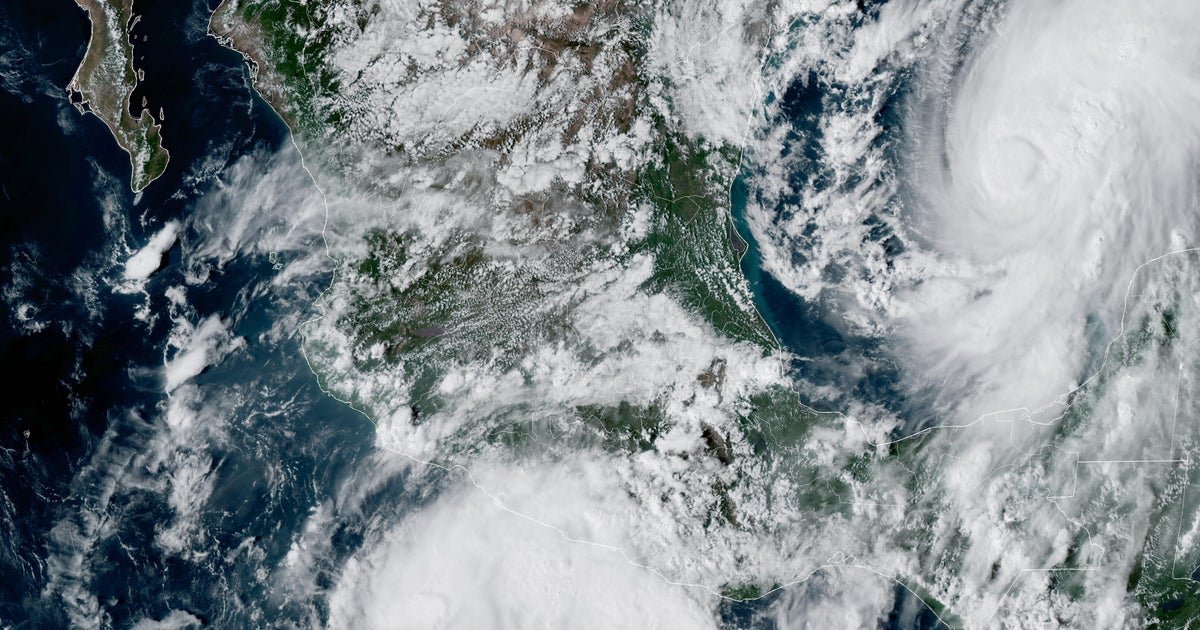
Hurricane Isaias has rapidly intensified as it tracks toward the U.S. Gulf Coast, bringing the first hurricane of the Atlantic season to Florida, Alabama, and Mississippi. Authorities are mobilizing resources as the storm promises strong winds, life-threatening storm surge, and heavy rainfall.
What Happened
Isaias was upgraded to a hurricane early Thursday, with maximum sustained winds near 75 mph. The storm was centered about 445 miles south-southwest of the Mississippi River mouth and moving east-northeast at 9 mph. Forecasters predict it will make landfall late Friday or early Saturday along the northern Gulf Coast. Mandatory evacuations have been ordered in Okaloosa County, Florida, while Gulf Shores and Orange Beach in Alabama urged voluntary departures for low-lying areas. At least four Florida school districts canceled classes, and governors in Florida and Alabama declared states of emergency across dozens of counties.
Why This Matters
The storm's arrival marks a rare late-season hurricane event, forming more than four months into the Atlantic hurricane season. Its path threatens energy infrastructure, with oil and gas producers shutting in roughly 25% of Gulf production, affecting roughly 511,000 barrels daily. Beyond energy, the system raises concerns about widespread power outages, travel disruptions, and the potential impact on Saturday's college football matchup between Georgia and Alabama. Historical context adds weight: Isaias comes amid memories of Hurricanes Camille, Katrina, and Michael, making preparedness critical for coastal communities.
Key Takeaways
- Isaias is the first hurricane of the 2024 Atlantic season, tracking toward the northern Gulf Coast.
- Forecasts call for rapid intensification and landfall with strong winds and storm surge.
- Over 25% of Gulf oil production has been temporarily halted, with eight platforms evacuated.
- Emergency declarations span 40 counties in Alabama and 25 in Florida's Panhandle.
- Residents from the Florida Panhandle to southern Mississippi are urged to monitor updates and follow evacuation orders.
- Long-duration power outages are possible, and utilities are pre-positioning repair crews.
Conclusion
As Isaias closes in, the priority remains safety and preparation. Residents in the projected path should finalize evacuation plans, secure property, and stay tuned to official forecasts from the National Hurricane Center. While the storm's exact strength at landfall remains uncertain, the combination of late-season timing, energy sector impacts, and potential for widespread rainfall makes this a significant weather event demanding close attention.



Discussion
Join the conversation
Thoughtful reactions, questions, and follow-up ideas help shape the next story.