Introduction
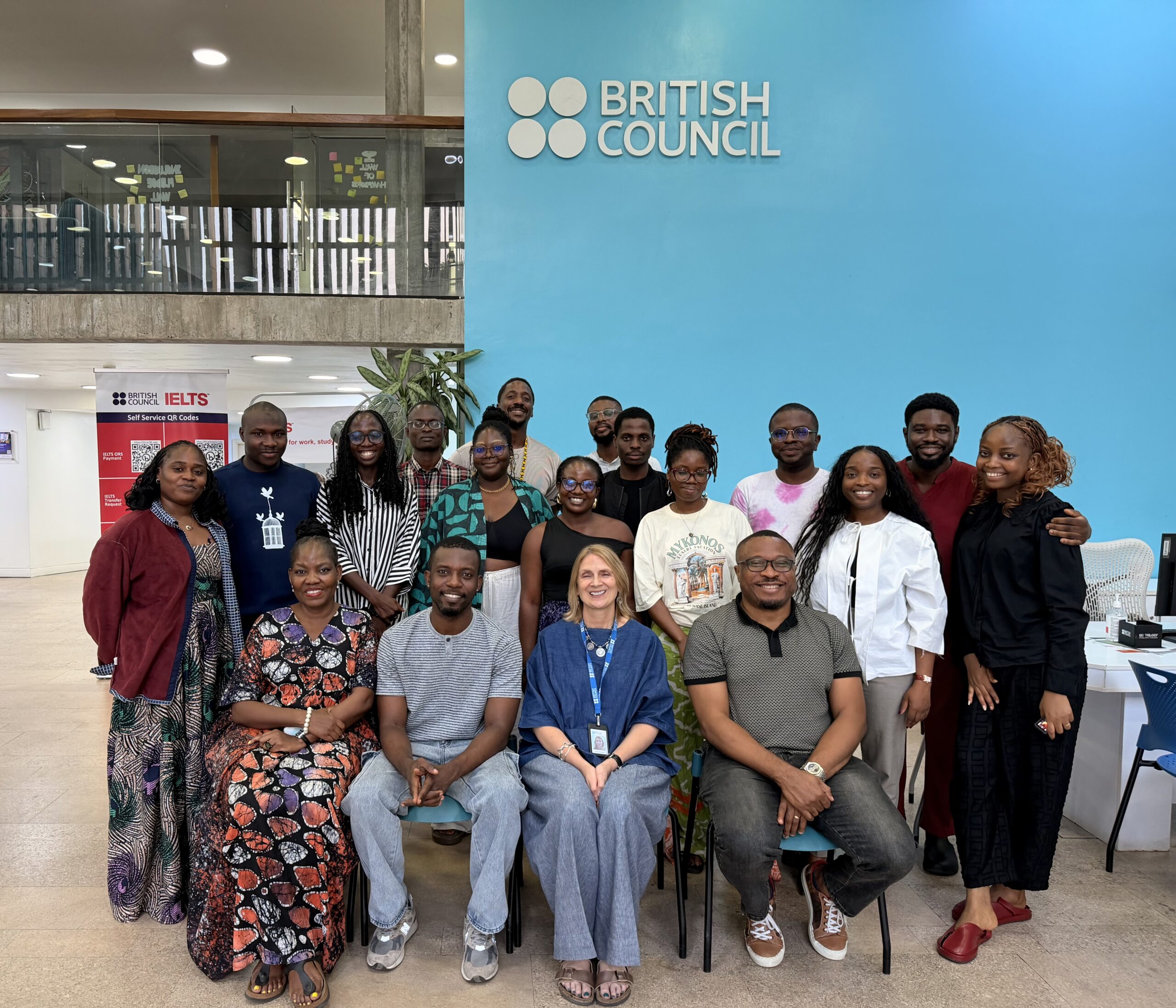
When the acceptance email arrived, Súnmisọ́lá Olúdé knew he was about to spend two days with some of Nigeria's most promising literary voices. The invitation was for the Caine Prize Self-Editing Workshop, held at the British Council in Lagos on 17 and 18 November 2026. In this first-person account, Olúdé takes readers inside the sessions, the conversations, and the quiet revelations that changed how he approaches his own writing.
What Happened
Twelve writers were selected for the intensive, including Azeeza Adeowu, Chinenye Okechukwu, Chinonso Nzeh, Innocent Chizaram Ilo, Kingsley Alumona, Mayowa Fagbure, Mustapha Enesi, Oluwatobi Afolabi, Ufuoma Bakporhe, and Winifred Odunoku, alongside Olúdé and Ahmad Adedimeji Amobi. The group combined novelists, journalists, editors, and filmmakers.
Nigerian writer, journalist, and editor Molara Wood led the primary sessions. Liberian-American novelist Wayétu Moore facilitated a workshop on speculative fiction and magical realism. Anwuli Ojogwu and Eghosa Imasuen of Narrative Landscape Press conducted a publishing masterclass.
On the first day, Wood emphasized close reading, subtext, and the discipline of self-editing. She urged participants to cut beloved but unnecessary passages for the good of the story. The group also examined anachronism in contemporary fiction and discussed why writers must read widely across traditions.
Moore's session challenged assumptions about speculative storytelling. She argued that the rules for building nuanced characters apply whether a story is realist or fantastical, warning against turning figures into saints or villains without complexity.
The second day featured a close study of an anonymized short story by a major figure in 20th-century African writing. Participants analyzed its structure, dialogue, and voice, identifying both strengths and flaws. Later, Imasuen and Ojogwu demystified the Nigerian publishing business, covering query letters, contracts, first print runs, royalties, and marketing. Imasuen described the relationship between writers and publishers, noting that writers supply stories while publishers produce and sell them, characterizing publishing as a precarious but courageous business.
The workshop also addressed a modern anxiety: artificial intelligence. Writers discussed how to document their creative process—saving drafts, recording sessions—to defend human authorship. Imasuen closed with advice to set technique aside and write from the heart, gesturing to his chest.
An evening networking event brought together Donna McGowan, country director at the British Council; Harry Keseina, head of arts and culture; and Ajoke Bodunde of The Caine Prize, along with readings and conversation among the cohort.
Why This Matters
Opportunities for focused self-editing instruction are rare for African writers, many of whom learn craft in isolation. The workshop addressed not only technical skills but also the business realities of publishing in Nigeria, an area often shrouded in mystery for emerging authors.
The conversation about AI is especially urgent. As African writers win international prizes, accusations of machine-generated authorship have followed some winners. The workshop's advice to preserve every draft and document the writing process offers practical protection in that climate.
Finally, the gathering reinforced a simple truth: writing may be solitary, but growth happens in community. Being surrounded by peers helped participants recognize strengths and blind spots they might otherwise miss.
Key Takeaways
- Self-editing requires emotional distance; writers must be willing to cut cherished lines for the good of the story.
- Complex characters resist simple labels of good or evil, regardless of genre.
- Reading widely beyond mainstream and contemporary works helps writers understand the traditions they are responding to.
- Publisher query letters should be simple, confident, and professional—less is more.
- Publishing is a business involving contracts, print runs, royalties, and marketing, not just creative output.
- Keeping dated drafts and process records can help defend human authorship in an era of AI scrutiny.
- Technique matters, but authentic writing begins with connecting to the material on a personal level.
Conclusion
By the end of the two days, Olúdé left the British Council a different writer than the one who arrived. The workshop combined craft instruction, industry transparency, and peer connection into an experience that extended well beyond the final session. For any writer wondering how to sharpen their work, the message was clear: edit ruthlessly, understand the market, and above all, write from the heart.
Discussion
Join the conversation
Thoughtful reactions, questions, and follow-up ideas help shape the next story.