Introduction
Walking into a HomeGoods store can feel like entering a treasure hunt where the inventory changes constantly and the best finds are often tucked away on crowded shelves. Devoted shoppers have turned bargain hunting into a refined strategy, learning exactly when to visit, which sections hold premium items, and how to negotiate small discounts on imperfect pieces. Whether you are searching for lighting, cookware, storage, or furniture, knowing the retailer’s rhythms can turn a frustrating trip into a successful one.
What Happened
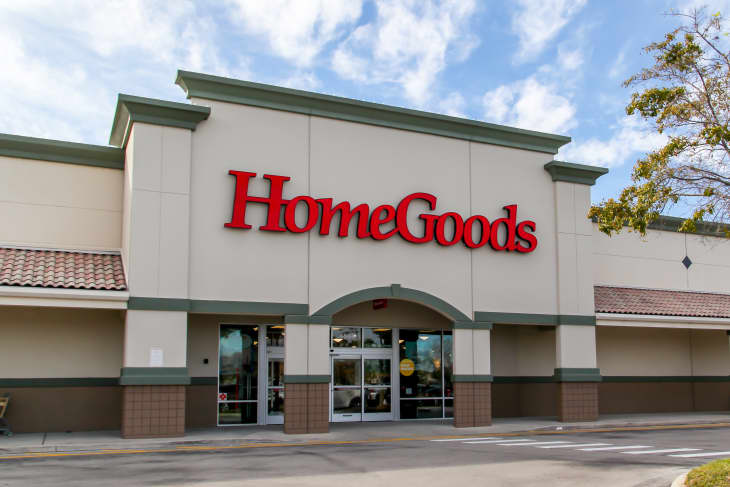
HomeGoods ended its online storefront for home merchandise in late 2023, shifting its focus entirely to brick-and-mortar locations. Today, shoppers cannot browse decor or furniture on the company’s website, though digital and physical gift cards remain available for purchase online. With nearly 1,000 stores across the United States and new locations opening regularly, the in-store experience remains the primary way to shop. Customers can use the store locator on the HomeGoods website to find the nearest location.
Why This Matters
Because inventory arrives frequently and disappears quickly, timing and preparation can determine whether you leave empty-handed or with a standout piece. Stores receive shipments multiple times per week, and most products follow a quarterly markdown cycle. Understanding how to read date codes on labels, identify locked display cases, and ask for reductions on slightly damaged goods can help shoppers stretch their budgets and avoid missing out on limited stock.
Key Takeaways
- Shop midweek for a calmer experience. Tuesday through Friday during the middle of the day tends to be quieter, better organized, and freshly stocked. Mondays are usually recovery days after the weekend rush.
- Check the Treasure Chest display cases. Locked cabinets near the entrance often hold higher-end items such as premium candles, French cookware, bedding, and vacuums. Associates can unlock them for a closer look, and red or yellow clearance tags may indicate deeper discounts.
- Know the restock rhythm. Many locations receive deliveries four times a week—Monday, Wednesday, Friday, and Saturday—though new items trickle onto the floor gradually rather than all at once.
- Read the label to track markdowns. Products are typically marked down every three months. The date code on the tag, such as a month and year format, reveals how long an item has been in the store.
- Ask about discounts on damaged items. Shoppers can request roughly 10 percent off for minor scratches or dings, while managers may approve larger reductions of up to 20 to 28 percent for heavier damage. Clearance items with wear may also qualify for an additional price cut.
- Look for matching pairs. HomeGoods often receives multiples of the same lamp, pillow, throw, or accent. Scanning nearby aisles can reveal a matching piece even when two items are not displayed side by side.
- Prepare before you go. Take photos of your rooms, measure wall and floor space, and bring a tape measure. Saving a dedicated photo album on your phone helps you decide quickly whether a find will actually fit.
- Use the HomeGoods app. After selecting your local store, the app offers sneak peeks of new arrivals and lets you store gift cards or TJX Rewards certificates so they are not forgotten at home.
- Consider nearby and sister locations. Inventory varies by store, so another HomeGoods—or a Marshalls or T.J. Maxx—may carry the item you need. TJMaxx.com also offers a home section for those who prefer to browse online.
Conclusion
Successful HomeGoods shopping comes down to preparation, timing, and a willingness to ask questions. By visiting during quieter weekday hours, studying price tags, checking the Treasure Chest, and using the store’s app for early alerts, you can improve your odds of finding quality home pieces at deep discounts. If one location does not have what you want, checking a neighboring store or sister retailer might uncover the exact piece you are looking for.
Discussion
Join the conversation
Thoughtful reactions, questions, and follow-up ideas help shape the next story.