Introduction
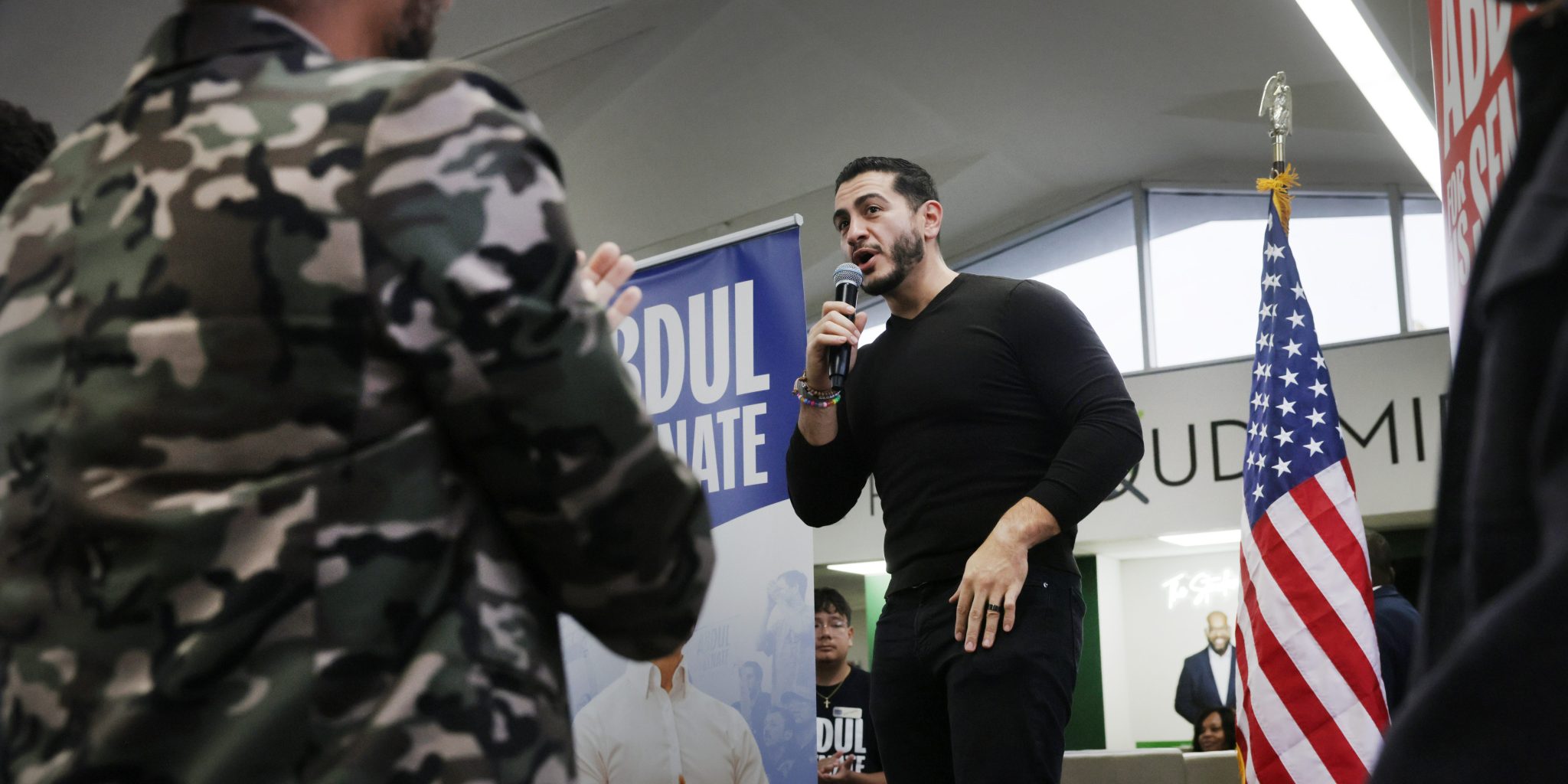
The Michigan Senate race has taken a contentious turn as Abdul El-Sayed campaigns to become the first Muslim elected to the upper chamber. His candidacy has been overshadowed by a sustained wave of Islamophobic rhetoric from opponents and allies alike, even as organizers mobilize historic voter turnout in Arab American communities.
What Happened
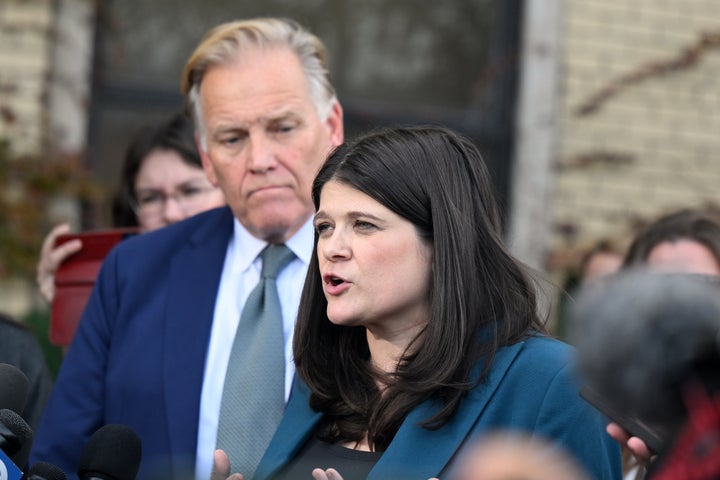
El-Sayed has endured a barrage of anti-Muslim attacks throughout the campaign. Former President Donald Trump labeled him a 'jihadist,' while Health and Human Services Secretary Robert F. Kennedy Jr. delivered a racist diatribe against Arab Americans. A mailer distributed by allies reportedly placed El-Sayed's face alongside the World Trade Center's Twin Towers, invoking the 9/11 attacks. Michigan state Senator Mallory McMorrow called the effort 'the most bigoted, hateful, Islamophobic campaign I've ever seen.' His one-time primary rival, Representative Haley Stevens, spent the race's final days painting El-Sayed as hostile toward Jewish interests before abruptly endorsing Republican opponent Mike Rogers on Sunday. The shift came as AIPAC and centrist Democrats signaled opposition to El-Sayed's candidacy, arguing his positions conflicted with party priorities.
Why This Matters
The intensity of the attacks reveals a broader pattern: political elites have long used Islamophobia as a vote-getting strategy. A University of Michigan study found that 38 percent of Michigan voters said they would be less likely to support a Muslim candidate. Yet the same discrimination may be galvanizing turnout. Arab American organizers in Dearborn compare the energy to Barack Obama's 2008 campaign, with Layla Elabed of Arab Americans for Progress noting a renewed sense of hope. The Arab American Political Action Committee has endorsed El-Sayed, its president Osama Siblani drawing a parallel to John F. Kennedy's historic 1960 election as the first Catholic president. Organizers say the movement built around the 2024 Uncommitted effort continues to door-knock and turn out voters, believing El-Sayed's message resonates with anti-war and anti-genocide voters across the coalition.
Key Takeaways
- Abdul El-Sayed is seeking to make history as the first Muslim U.S. Senator from Michigan.
- His campaign has been met with a coordinated wave of Islamophobic attacks from political figures and surrogates.
- Polling indicates 38% of Michigan voters are less likely to support a Muslim candidate, highlighting deep-seated barriers.
- Haley Stevens's late endorsement of Republican Mike Rogers underscores the party's internal divide.
- Arab American organizers and community leaders are mobilizing historic turnout, drawing parallels to past breakthrough campaigns.
- Political scientists warn that elite-driven Islamophobia can both suppress and unexpectedly motivate voter participation.
Conclusion
As the November vote approaches, El-Sayed's race serves as a test of whether Islamophobia will determine the outcome—or whether organized Muslim and Arab American communities can turn prejudice into political power. Regardless of the result, the intensity of the campaign and the mobilization it has sparked signal a pivotal moment for representation in U.S. Senate politics.





Discussion
Join the conversation
Thoughtful reactions, questions, and follow-up ideas help shape the next story.