Introduction
Kansas finds itself at the center of a surprising political shift this midterm season. Once considered safely red, the Sunflower State now hosts competitive races that could flip long-held assumptions about voter alignment and party strength.
What Happened
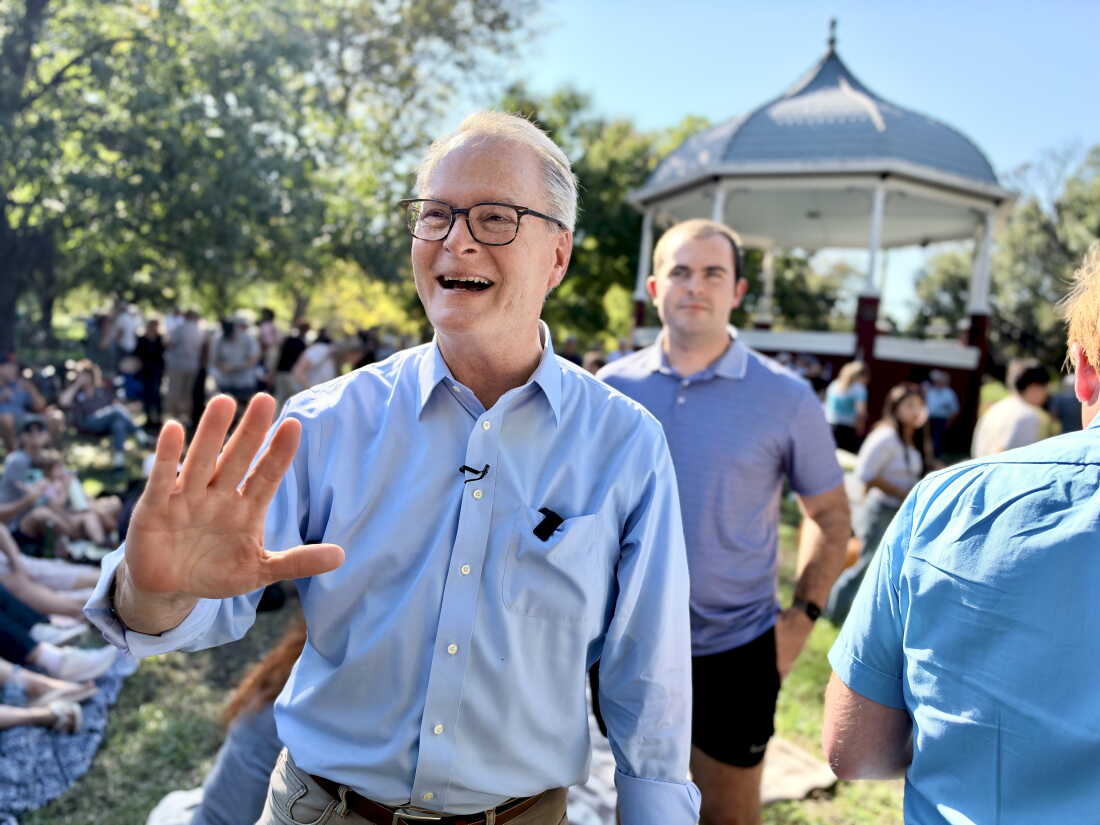
The focus centers on a U.S. Senate contest where Democrat Adam Hamilton challenges incumbent Republican Roger Marshall. Recent polls show a tighter race than expected, prompting both parties to redirect millions in ad spending. President Trump is set to campaign for Marshall in Wichita, while Democratic Governor Laura Kelly's term limit opens a competitive gubernatorial contest between Republican Ty Masterson and Democrat Cindy Holscher. A weeklong GOP bus tour and intense voter outreach highlight the stakes.
Why This Matters
Beyond the state line, the race reflects broader voter sentiment toward Trump's second-term agenda, including tariff policies and fuel price concerns that have resonated negatively in traditionally Republican strongholds. A Democratic Senate win in Kansas would signal shifting dynamics in the Midwest, while a Republican retention underscores the durability of the party's base despite national headwinds.
Key Takeaways
- Polls indicate a competitive Senate race with Hamilton narrowing Marshall's lead
- Historic fundraising and ad buys from both sides show national interest
- Trump's campaign stop underscores the race's role as a proxy for broader policy debates
- Voter concerns about affordability, energy costs, and healthcare drive much of the messaging
- Former Republican governors' endorsements of Hamilton signal cross-party unease with current party direction
Conclusion
As early voting begins, both campaigns are zeroing in on turnout operations and message discipline. Whether the outcome leans blue or red, the Kansas contests offer a real-time gauge of voter sentiment toward the current national political direction and could shape strategy for the remainder of the election cycle.


Discussion
Join the conversation
Thoughtful reactions, questions, and follow-up ideas help shape the next story.