Introduction
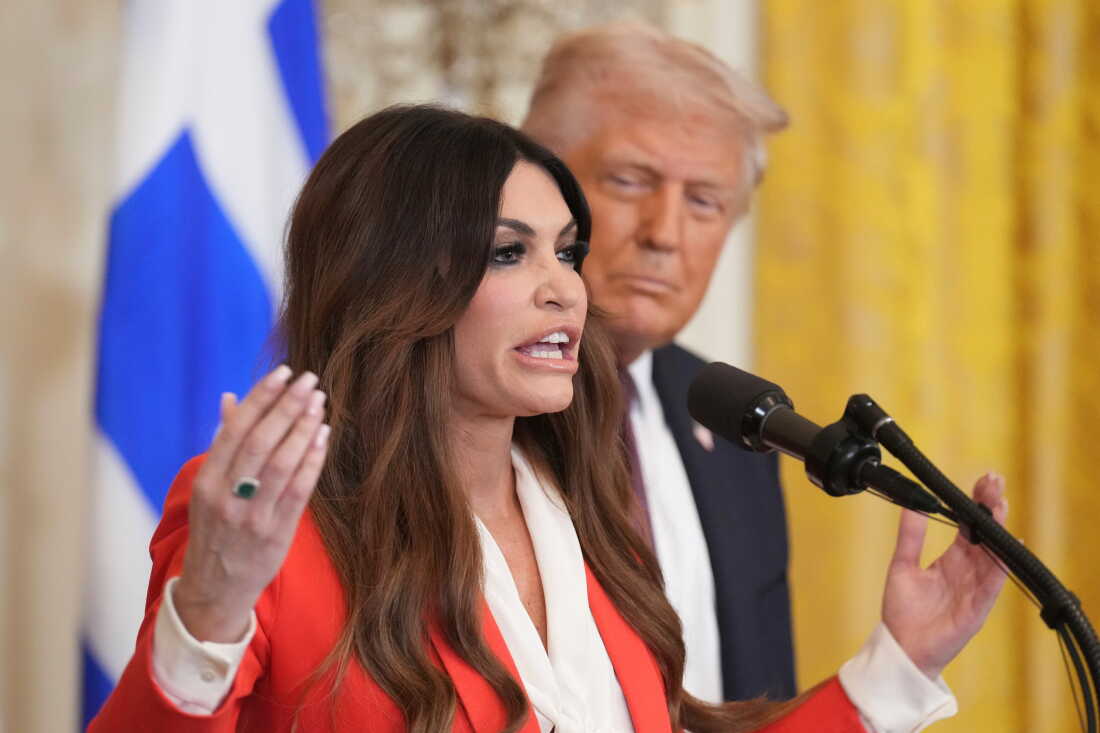
Kimberly Guilfoyle has resigned as the United States ambassador to Greece, ending a brief and controversial tenure marked by serious allegations of improper conduct. The White House formally requested her departure, and she announced her resignation within hours, denying any wrongdoing.
What Happened
The controversy began after multiple media outlets reported a series of allegations against Guilfoyle, including claims that she threatened a host country official, accepted improper gifts, and offered to use her influence to settle a personal credit card debt. White House press secretary Katie Zacharia confirmed the administration had asked for her resignation, stating the president was unhappy with the reports. Guilfoyle rejected the accusations in a post on X, calling them false and emphasizing her decades of public service.
Senior State Department officials, including Secretary of State Marco Rubio, initially defended her but later criticized media coverage of the claims. The State Department's inspector general was reportedly reviewing the allegations, though no formal investigation had been confirmed at the time of her resignation.
Why This Matters
Guilfoyle's resignation highlights the intense scrutiny faced by political appointees, particularly those with close ties to the former president. Her departure affects U.S.-Greece relations at a time when Greece plays a strategic role in Eastern Mediterranean energy security and regional stability. The case also raises questions about vetting processes for diplomatic posts and the influence of personal connections in high-level appointments.
Key Takeaways
- Guilfoyle resigned as U.S. ambassador to Greece following mounting allegations of misconduct.
- The White House requested her departure, and she denied all wrongdoing.
- Multiple media outlets detailed accusations ranging from threats to foreign officials to accepting improper benefits.
- State Department officials initially defended her but later distanced themselves as the story grew.
- Her resignation underscores the political risks for ambassadors closely tied to a former president's inner circle.
Conclusion
Kimberly Guilfoyle's sudden resignation closes a chapter that drew widespread attention to the conduct and vetting of diplomatic appointees. As the U.S. reassesses its diplomatic presence in Greece, the episode may prompt broader discussions about accountability and the expectations placed on political ambassadors. Observers will be watching how the State Department and the White House handle the aftermath and whether new appointments will undergo stricter scrutiny.


Discussion
Join the conversation
Thoughtful reactions, questions, and follow-up ideas help shape the next story.