Introduction
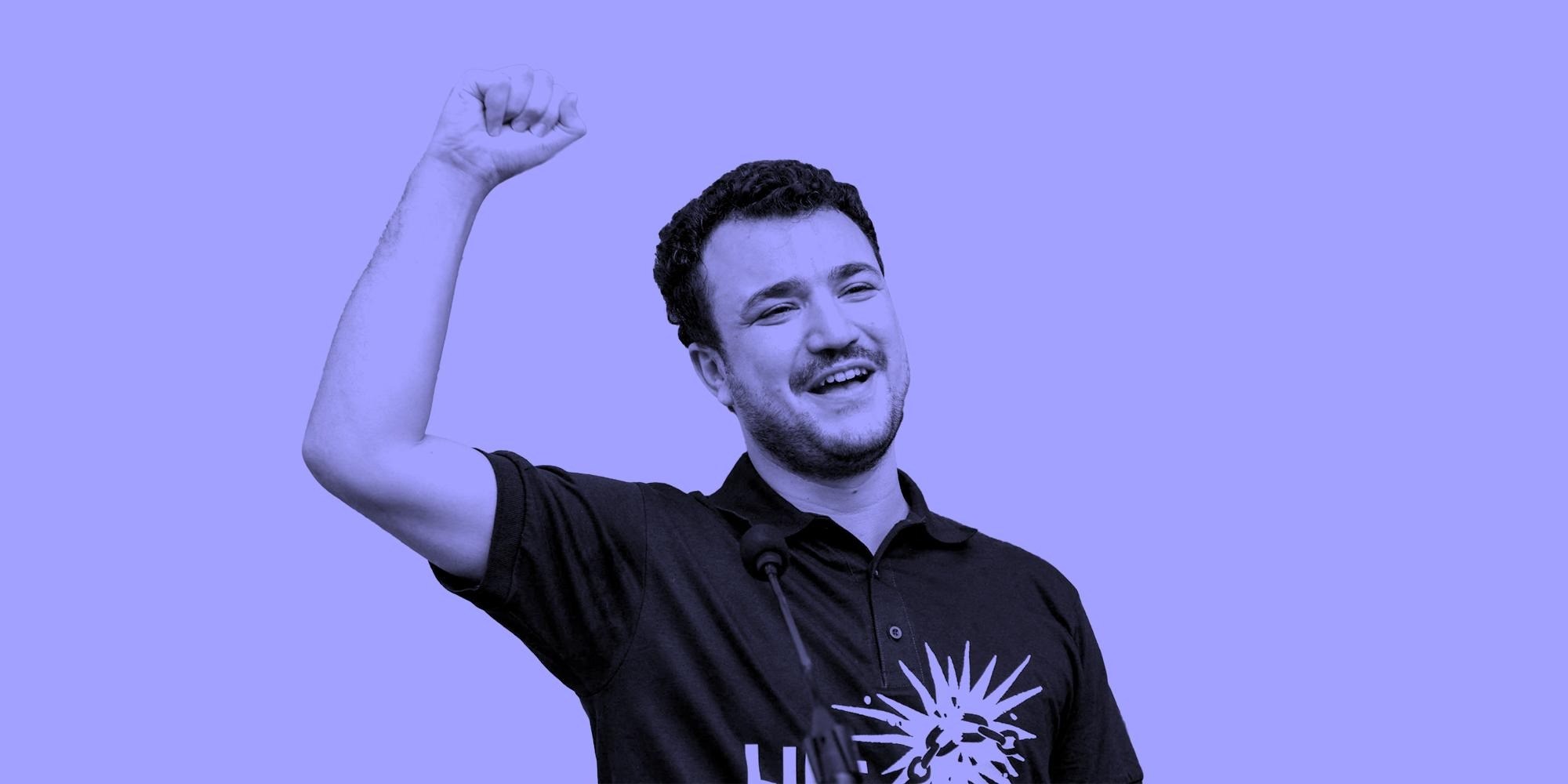
Mahmoud Khalil's journey from ICE detention to published author captures a moment that reverberates far beyond a single immigration case. After being held for over 100 days for his pro-Palestine activism at Columbia University, Khalil channels his experience into the new book No Land to Stand On, using his story to spotlight broader attacks on free speech and immigrant rights.
What Happened
Khalil was seized by federal immigration agents during a campus protest and detained for more than three months in a remote facility in Louisiana. The Trump administration has continued efforts to deport him, despite the absence of criminal charges. His case unfolded against a backdrop of coordinated pressure from groups like Canary Mission and Betar, which compiled lists of pro-Palestine students for government action. Columbia University, once known for student activism, became a facilitator of targeting through surveillance, investigation units, and cooperation with federal authorities.
The conditions inside the detention center, Khalil describes, were intended to break resistance: constant bright lights, freezing temperatures, thin blankets, and a system where even winning a legal case doesn't guarantee freedom. He recounts fellow detainees like Najib and Alexander, whose fates illustrate how the system weaponizes due process.
Why This Matters
Khalil's fight is framed as a test for everyone: if the government can deport someone for their political views on Palestine, no one is safe. The article examines how the crackdown on student activists merges America's anti-immigrant push with its battle over speech about Palestine. It also scrutinizes Columbia's role, from hosting surveillance offices to calling police on peaceful demonstrators, and how institutional complicity enables broader repression.
- The immigration system is structured so that even legal victories can result in deportation through repeated appeals.
- University surveillance and doxing campaigns created a pipeline from campus to ICE detention.
- Public pressure, legal challenges, and storytelling remain the primary avenues for accountability.
Key Takeaways
Khalil's experience reveals how immigration enforcement is being used as a tool to silence political dissent. His book and ongoing legal fight aim to prevent a future where speaking out carries the risk of deportation or detention. The case also exposes how university policies, far-right groups, and federal agencies can intersect to target activists, and why public engagement matters more than ever.
Conclusion
As Khalil puts it, the fight is about whether anyone can speak out against government policy without fear of removal. His story is a reminder that rights are not guaranteed; they are won through persistent organizing, legal action, and public solidarity. Whether or not his deportation battle ends soon, the conversation he's forcing into the open will shape the next chapter of free speech and immigrant justice in the U.S.


Discussion
Join the conversation
Thoughtful reactions, questions, and follow-up ideas help shape the next story.