Introduction
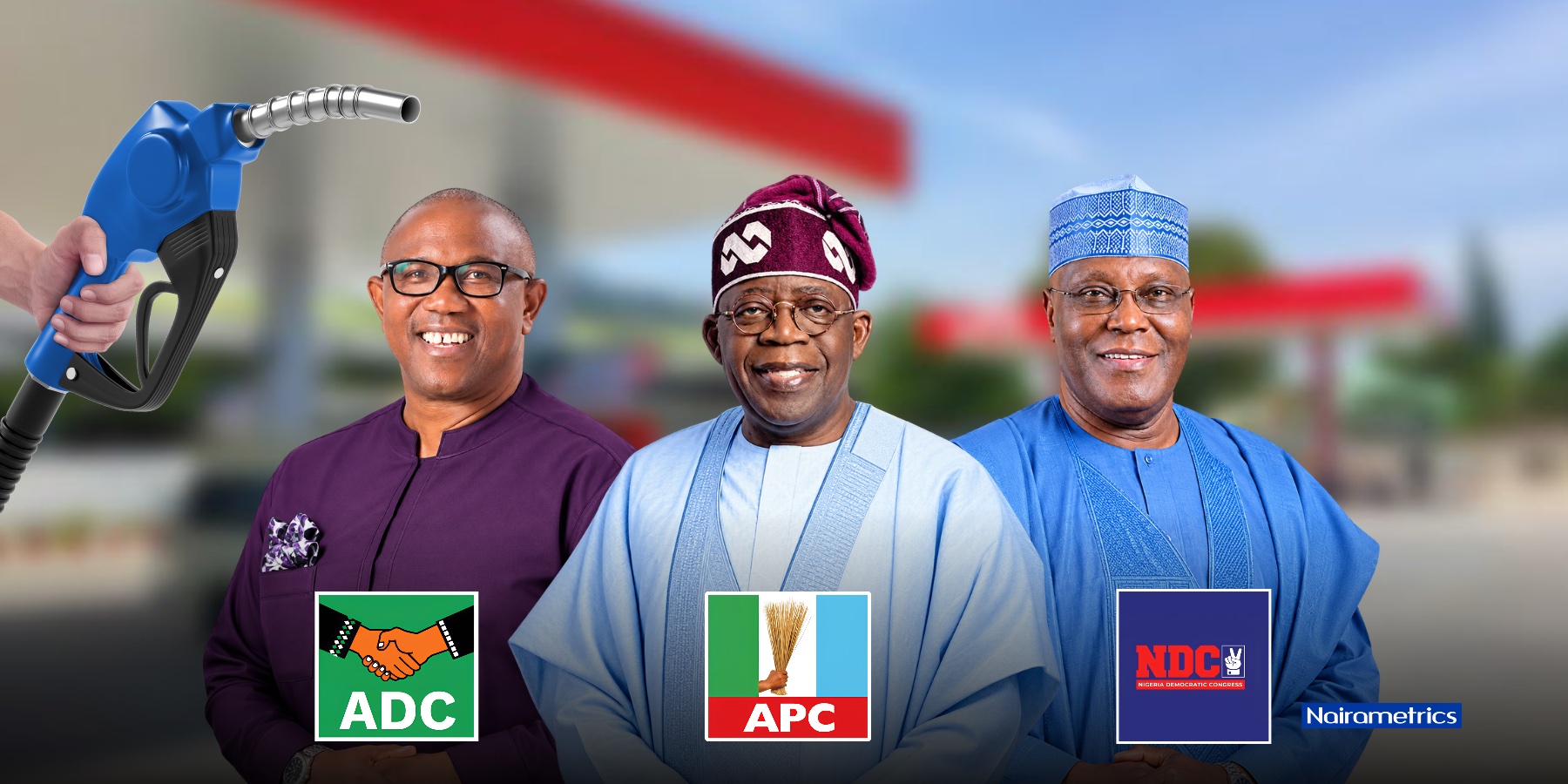
Nigeria's next presidential election is still more than a year away, but one economic issue is already dominating the political conversation: fuel subsidy. Three years after the federal government ended petrol subsidies, the policy remains deeply divisive. Incumbent President Bola Tinubu maintains that ending the subsidy was essential to stabilize government finances. Opposition contenders Atiku Abubakar and Peter Obi argue that Nigerians are paying too high a price, though they differ on how to fix it. As the 2027 campaign season heats up, voters are weighing competing visions for petrol pricing, government spending, and household affordability.
What Happened
President Tinubu announced the end of fuel subsidy on May 29, 2023, declaring that the long-standing intervention was no longer sustainable. Since then, petrol prices have climbed sharply, affecting transport fares, food costs, and household budgets across the country.
The administration points to fiscal gains as justification. According to Minister of Finance Taiwo Oyedele, the government has saved approximately N15.8 trillion since the subsidy was removed. State governors have also benefited from larger monthly allocations from the Federation Account Allocation Committee, with Imo State Governor Hope Uzodinma describing the change as a direct boost for subnational governments.
At the same time, the government has not fully stepped back from intervening in petrol markets. In October, Oyedele disclosed a price ceiling of N1,350 per litre on the ex-gantry or landing cost of petrol. Officials describe the mechanism as a price-smoothing tool rather than a return to subsidy or conventional price control. Under the arrangement, importers and refiners absorb costs above the ceiling when global prices spike, with the expectation of recovering those losses later. The ceiling is set to be reviewed monthly.
Opposition candidates have seized on the continuing hardship to stake out their own positions. Atiku Abubakar, the African Democratic Congress candidate and former vice president, has pledged to restore a targeted subsidy if elected in 2027. He argues that Nigeria can afford to shield citizens from the ripple effects of higher petrol prices, which he says flow quickly into transport, food, and general household spending. However, he has not yet released a detailed funding plan or explained how the program would avoid the corruption and leakages that plagued previous subsidy schemes.
Peter Obi, candidate of the Nigeria Democratic Congress, takes a different route. While he also criticizes how the subsidy was removed, he frames his objection around process rather than principle. Obi has called the May 2023 announcement careless and says the government should have addressed corruption, determined the true cost of the subsidy, and implemented a phased, transparent exit plan. He insists that any savings should be invested in agriculture, healthcare, education, poverty reduction, and security. In later interviews, he has suggested combining targeted support with stronger accountability and a more gradual transition.
Why This Matters
Fuel subsidy is no longer just a line item in the national budget. It has become a pocketbook issue for millions of Nigerians. Higher petrol prices raise transport costs, which in turn push up food prices and squeeze household budgets, especially for low-income earners.
The debate also tests competing economic philosophies. Tinubu's team argues that fiscal discipline and deregulation are prerequisites for recovery. Atiku and Obi, by contrast, suggest that market liberalization cannot succeed without social protections and better governance. The introduction of the N1,350 price ceiling adds another layer, signaling that even a deregulated market may require government intervention when global oil prices and exchange rates move against consumers.
For voters, the central question is whether any candidate can deliver cheaper petrol without returning to the fiscal drain of the old subsidy system—or whether the next administration will simply manage the same problem with different tools.
Key Takeaways
- President Tinubu ended fuel subsidy on May 29, 2023, and continues to defend the move as necessary for economic stability.
- The government estimates N15.8 trillion in savings from subsidy removal, with states receiving higher FAAC allocations.
- A N1,350 per litre petrol price ceiling has been introduced as a monthly-reviewed price-smoothing mechanism, though officials deny it is a subsidy.
- Atiku Abubakar promises to restore a targeted subsidy to protect Nigerians from rising living costs.
- Peter Obi criticizes the speed and execution of subsidy removal and advocates for a phased, transparent transition with savings directed to social sectors.
- The issue remains a central economic battleground ahead of Nigeria's 2027 presidential election.
Conclusion
Nigeria's 2027 presidential race is shaping up to be a referendum on how the country manages its petroleum economy. The incumbent is betting that fiscal savings and long-term recovery will outweigh short-term pain. His challengers are betting that voters will reward a promise of relief, even if the details of funding and implementation remain unclear. With the N1,350 price ceiling already in place and inflation still pressing on household budgets, fuel policy is unlikely to leave the campaign trail anytime soon. Voters will ultimately decide which vision—continued deregulation, targeted intervention, or a phased exit—offers the most credible path forward.
Discussion
Join the conversation
Thoughtful reactions, questions, and follow-up ideas help shape the next story.