Introduction
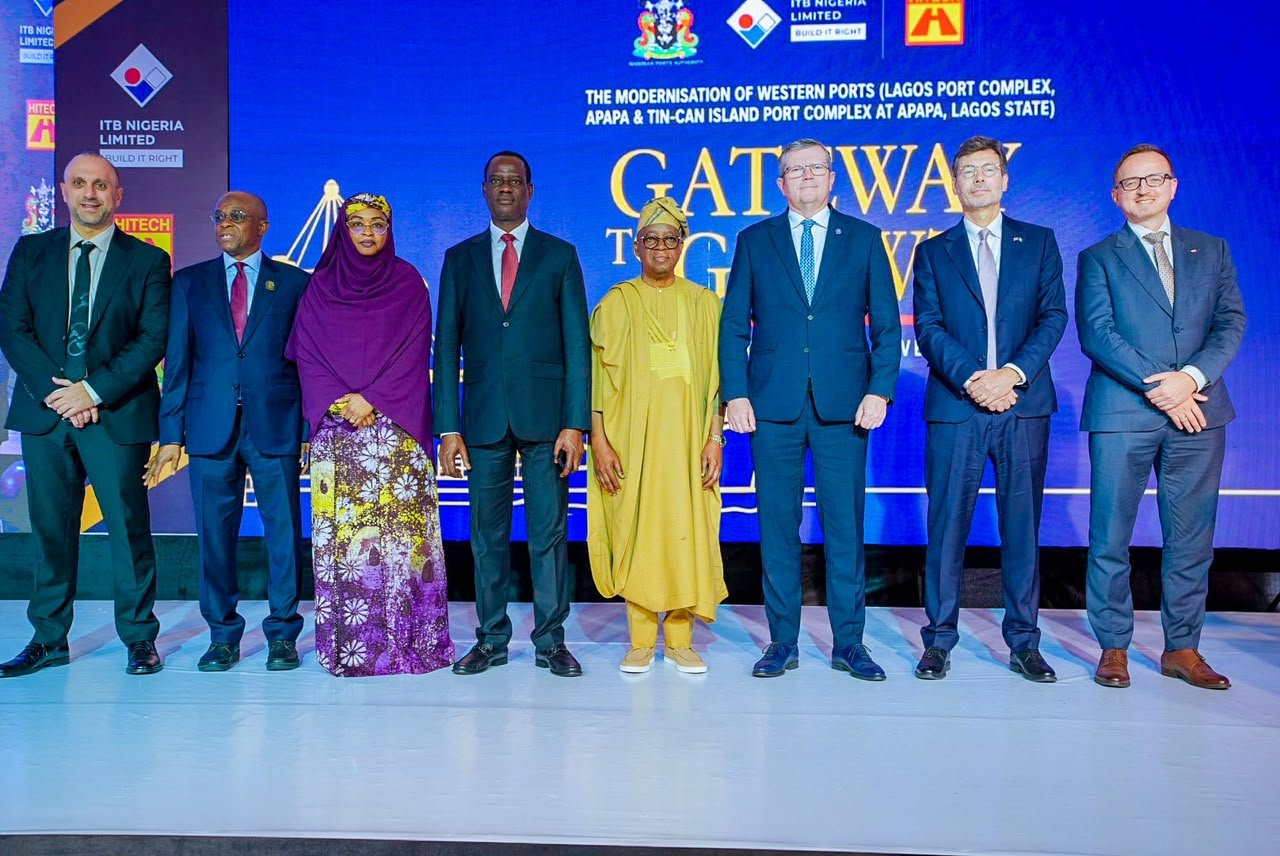
The Federal Government of Nigeria has officially commenced a major rehabilitation of two of Lagos' most important maritime gateways. The Lagos Port Complex at Apapa and Tin Can Island Port will undergo a N1.45 trillion modernisation programme intended to replace ageing infrastructure and strengthen the country's position in global trade. Officials say the initiative should generate at least 20,000 direct and indirect jobs while easing long-standing bottlenecks that have slowed cargo movement for years.
What Happened
Adegboyega Oyetola, Minister of Marine and Blue Economy, disclosed the groundbreaking in a post on his official X account. Valued at roughly £746 million, or approximately N1.45 trillion, the project is described as Nigeria's first port modernisation effort in 50 years. Planned works include new quay walls and berths, dredging of navigation channels, modern cargo-handling equipment, improved access roads, and digitally enabled port operations. The government has confirmed that port activities will continue throughout the construction period.
Why This Matters
Apapa and Tin Can Island handle a substantial portion of Nigeria's import and export traffic, yet outdated infrastructure and operational delays have pushed up logistics costs and encouraged some shippers to divert cargo to neighbouring countries. The upgrade is intended to improve cargo-handling efficiency, lower the cost of moving goods, and attract more international shipping lines. It is also linked to Nigeria's strategy under the African Continental Free Trade Area, with officials expecting stronger export capacity and better support for local industries.
Key Takeaways
- The Federal Government has started a N1.45 trillion modernisation of Apapa and Tin Can Island ports.
- The project is worth about £746 million and is expected to create at least 20,000 jobs.
- It marks Nigeria's first port modernisation project in half a century.
- Planned improvements include dredging, new berths, modern equipment, and digital port systems.
- Port operations will remain active while construction work proceeds.
Conclusion
Industry observers caution that physical upgrades alone may not resolve every challenge at the Lagos ports. Stakeholders have highlighted slow documentation, multiple agency checkpoints, and weak inter-agency coordination as persistent obstacles. Some experts have also argued that resources might be better directed toward newer facilities such as the Lekki Deep Seaport. For the investment to deliver its full promise, analysts say it must be accompanied by operational reforms, including process automation, a single-window clearance system, and 24-hour port operations.
Discussion
Join the conversation
Thoughtful reactions, questions, and follow-up ideas help shape the next story.