Introduction
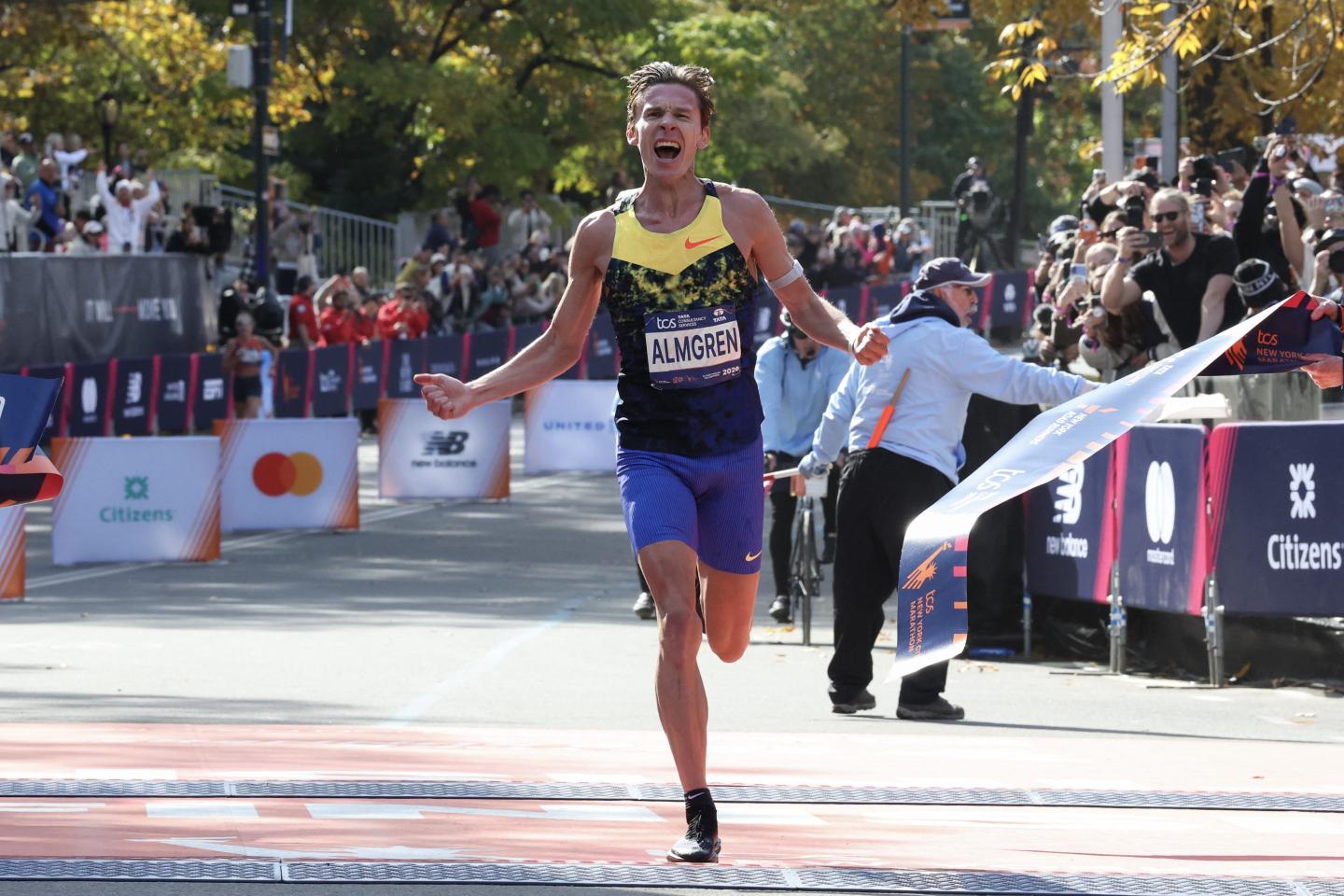
Nike is leaning heavily on distance running to rebuild its image with athletes and everyday joggers alike. After Swedish runner Andreas Almgren captured the men's title at the 2026 TCS New York City Marathon on his debut over the distance, the sportswear giant wasted no time putting him at the center of its comeback narrative. The victory, achieved in a Nike racing shoe scheduled for release in January, is just one piece of a broader push to repair ties with the running community.
What Happened
Nike has surrounded Almgren's win with a series of high-visibility moves. The company featured the champion during its recent investor day, where he spoke about the performance of the Nike Apex racing shoe. Nike also funded the New York Times insert traditionally published the morning after the marathon, which lists participant names and finishing times. On the sponsorship front, Nike extended its partnership with the Chicago Marathon through 2036, making it the only major marathon where Nike serves as the primary gear sponsor. The brand also renewed its deal with a Portland marathon and announced a new partnership with the San Antonio marathon.
These actions follow a difficult stretch for Nike's running division. CEO Elliott Hill, who took the helm in 2024, acknowledged that the company had drifted away from independent running stores and serious athletes while prioritizing its own retail channels and lifestyle sneakers. According to Euromonitor data cited in the report, Nike's share of the $9 billion U.S. sports footwear market fell from 40 percent in 2016 to 30 percent in 2025. Competitors such as Hoka and On benefited from a running boom that Nike largely missed.
Why This Matters
The running business is now showing signs of recovery. Nike running has posted nine consecutive quarters of growth, including six straight quarters of double-digit gains, according to company president Amy Montagne. She told analysts that the division has climbed from fifth to third place among running brands over the past year. Montagne emphasized that Nike aims to serve everyone from elite record chasers to people training for their first 5K.
The tone of Nike's messaging has shifted as well. The post-race New York Times insert included an inclusive tribute ending with the line, "I can make it across the finish line anywhere." That stands in contrast to an April advertisement ahead of the Boston Marathon that critics said mocked slower runners and felt out of touch. Hill and Montagne told investors they intend to apply the running playbook to other categories where Nike has faced neglect accusations, including training, soccer, basketball, and outdoor gear.
Key Takeaways
- Andreas Almgren won the 2026 New York City Marathon in his marathon debut wearing the Nike Apex racing shoe.
- Nike renewed its Chicago Marathon sponsorship through 2036 and added or extended deals for Portland and San Antonio races.
- Nike's U.S. sports footwear market share dropped from 40 percent to 30 percent between 2016 and 2025.
- The running division has reported nine straight quarters of growth, with the last six showing double-digit increases.
- Nike running has moved from fifth to third among brands in the last 12 months, per Amy Montagne.
- Investors remain cautious: Nike shares fell 6 percent on investor day and are down roughly 60 percent since Hill became CEO.
Conclusion
Nike's leadership is positioning running as the template for a broader corporate turnaround, but Wall Street has not yet been convinced. The company projects a return to revenue growth in fiscal 2029 and hopes to add $5 billion in annual revenue by the end of fiscal 2031. In the most recent fiscal year, Nike reported $46.4 billion in revenue, a 2 percent decline excluding currency effects. Product updates focused on cushioning, materials, and stability may be critical to convincing both runners and investors that the recovery is sustainable.
Discussion
Join the conversation
Thoughtful reactions, questions, and follow-up ideas help shape the next story.