Introduction
Over the past month, three of the market's most watched themes--oil prices, Treasury yields, and the AI-driven rally in big tech--underwent a rare synchronization shift. Normally, oil and bond yields move in tandem, driven by inflation expectations and geopolitical sentiment. But in October, that long-standing relationship suddenly stopped, leaving investors to recalibrate what drives risk across asset classes.
What Happened
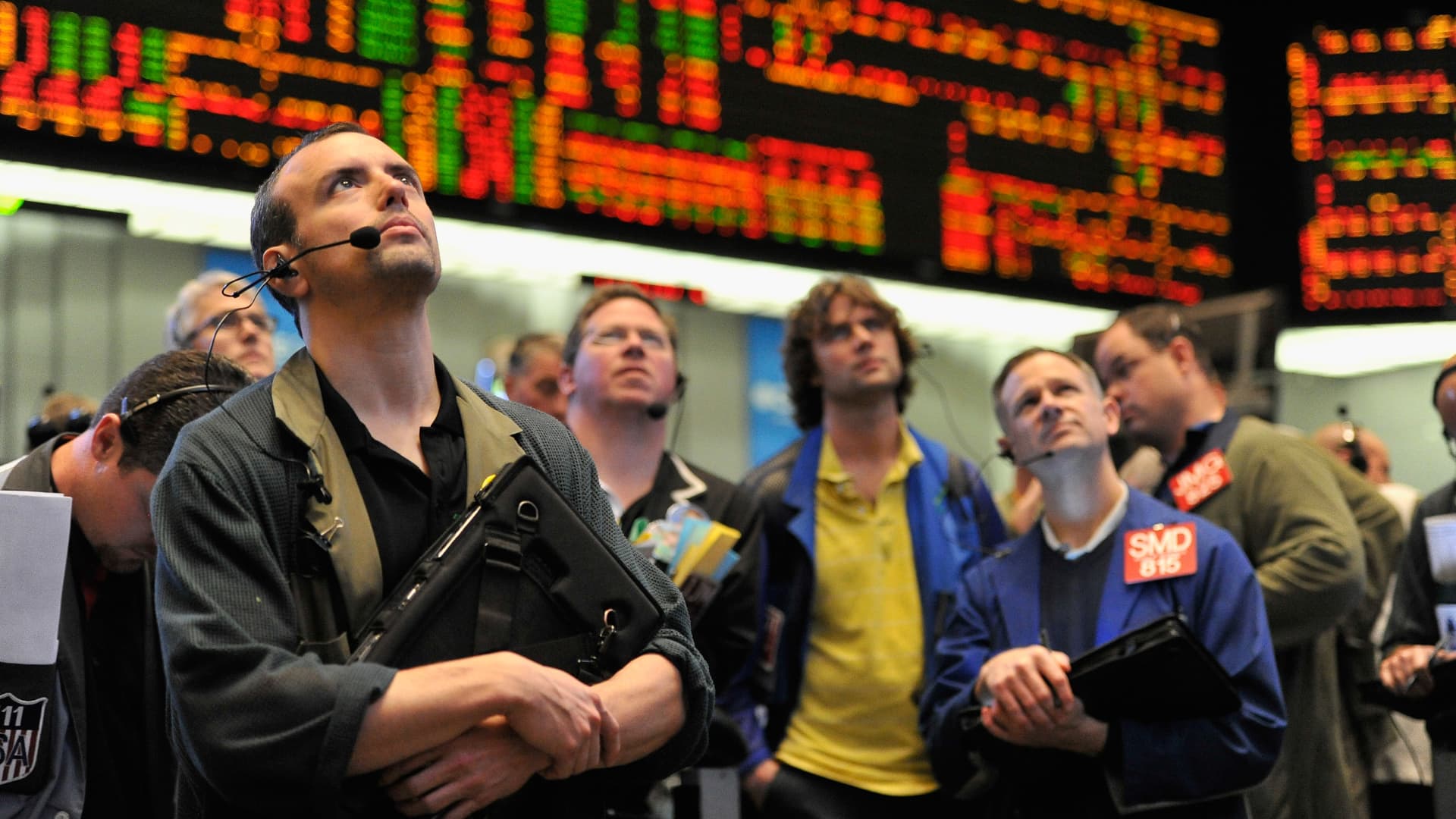
The breakdown came as artificial intelligence dominance, particularly among the Magnificent Seven, began to outweigh traditional inflation and geopolitical drivers. According to BlackRock's Jeffrey Rosenberg, the correlation between oil futures and 10-year Treasury yields--typically around 80% for the year--vanished in October. The shift coincided with a painful retracement in AI-heavy stocks: Friday's Nasdaq wipeout and Google's single-day $500 billion loss highlighted how quickly AI sentiment can pivot. Q3 GDP came in stronger than expected, but Rosenberg noted it was 'all AI-related,' with business investment surging 12.7%, including a 37% jump in information processing equipment and a nearly 25% rise in industrial equipment, much of it tied to data center spending. The divergence forced a rethink: what was once seen as a geopolitical risk play is now increasingly an AI risk play.
Why This Matters
The implications are significant. Normally, Treasury yields rise when oil prices climb, acting as an inflation signal the Federal Reserve watches closely. When that link snapped, the market priced AI weakness as a broader economic slowdown signal, triggering a disinflationary reassessment. Rosenberg pointed out that in a disinflationary environment, the only asset class that reliably hedges is the long end of the Treasury curve. The shift also has direct consequences for fixed-income investors: with AI hyperscalers like Microsoft and Google flooding the public bond market with debt, transparency increases, but so does supply pressure. CDS spread data shows Microsoft trading near five-year highs around 55, while Oracle sits closer to 300, illustrating how limited counterparty capacity has become in a rapidly expanding debt issuance cycle.
Key Takeaways
- The oil-treasury yield correlation that dominated 2026 collapsed in October, replaced by AI-driven market dynamics.
- BlackRock's Jeffrey Rosenberg emphasizes that in investors' minds, AI risk now supersedes geopolitical and inflation risk.
- Q3 GDP and business investment data were overwhelmingly tied to AI spending, reinforcing the trade's centrality.
- AI trade volatility directly moved Treasury yields, with bond markets pricing weakness as economic fragility.
- The long end of the Treasury curve emerged as the primary hedge in a disinflationary shift, not traditional bond-stock diversification.
- AI hyperscalers are turning to public bond markets for financing, increasing issuance transparency but also supply-induced pressure on spreads.
- CDS spread trends reveal limited counterparty capacity, making public credit markets a new frontier for AI-themed risk positioning.
Conclusion
October's market action made one thing clear: the AI trade is no longer a side story--it's the primary lens through which oil, bonds, and inflation are being viewed. For investors, this means rethinking traditional correlation-based strategies and watching how the balance between AI momentum and macro fundamentals evolves. As the hyperscaler debt boom accelerates and bond market capacity is tested, the coming months will likely see continued tension between AI-driven growth expectations and the reality of fiscal and inflationary headwinds.



Discussion
Join the conversation
Thoughtful reactions, questions, and follow-up ideas help shape the next story.