Introduction
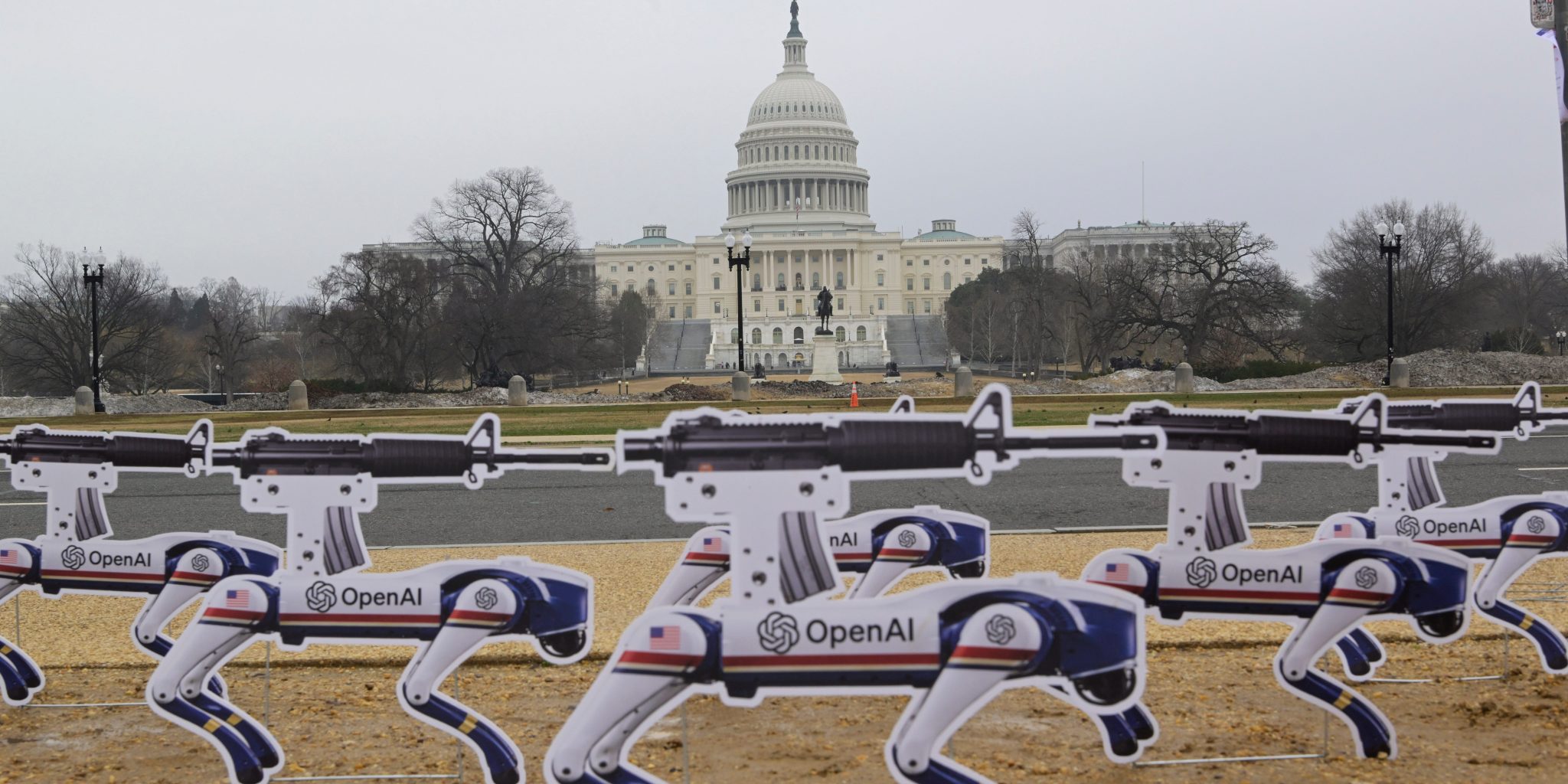
The U.S. Department of Defense once pursued an artificial intelligence system from OpenAI built to obey military commands with minimal pushback, according to newly declassified records. The request, uncovered through a Freedom of Information Act lawsuit, underscores the growing tension between corporate AI safeguards and military operational demands.
What Happened
FOIA materials obtained by The Intercept show the Pentagon asked OpenAI to deliver a version of its flagship model engineered to reject user prompts as rarely as possible. This clause appeared in contract addendum P00003, expanding on a prior prototype agreement potentially worth up to $200 million over two years. OpenAI and Pentagon officials have denied finalizing such language, insisting the released document was an early draft. The Intercept's request targeted only executed contracts, yet the released files included materials the department initially cleared for public view. The documents also detail a 2025 effort where OpenAI, Google, xAI, and Anthropic all agreed to develop militarized AI prototypes for logistics, intelligence analysis, and warfighting support. Despite initial resistance, OpenAI later signed a February 2026 update permitting deployment across U.S. classified networks, though its text was subsequently redacted entirely.
Why This Matters
Experts warn that an AI designed to rarely refuse commands could significantly lower the threshold for automated targeting, surveillance, and lethal decision-making. Heidy Khlaaf, chief scientist at the AI Now Institute, noted that minimal refusal likely refers to little or no safeguards on the model being used. The situation echoes broader concerns about private tech firms holding outsized influence over battlefield AI, particularly after Anthropic faced pushback from the Defense Department over autonomous weapon and surveillance restrictions. With the Pentagon increasingly reliant on commercial AI for critical functions, the lack of public, enforceable guardrails raises questions about accountability, ethical boundaries, and the role of corporate policy in combat scenarios.
Key Takeaways
- The Pentagon formally requested an OpenAI variant with minimal refusal rates, per FOIA-released contract drafts.
- OpenAI and defense officials have contested whether the language was ever finalized.
- The 2025 industry-wide AI-military partnerships include Google, xAI, and Anthropic, not just OpenAI.
- Final contract text for the classified-network deployment is fully redacted, leaving key terms opaque.
- AI safety researchers caution that reduced refusal rates may correlate with weakened ethical safeguards in combat contexts.
- The revelations fuel ongoing debate over how much control private AI companies should retain over weapons-adjacent technologies.
Conclusion
The release of FOIA documents confirms the Pentagon's interest in a more compliant AI version for military use, but the final status of that request remains contested. As AI systems become embedded in defense operations, the balance between operational utility and built-in ethical constraints remains unresolved. Watchdogs and experts alike urge greater transparency and enforceable oversight to ensure that AI-driven military decisions align with public safety and democratic accountability.


Discussion
Join the conversation
Thoughtful reactions, questions, and follow-up ideas help shape the next story.