Introduction
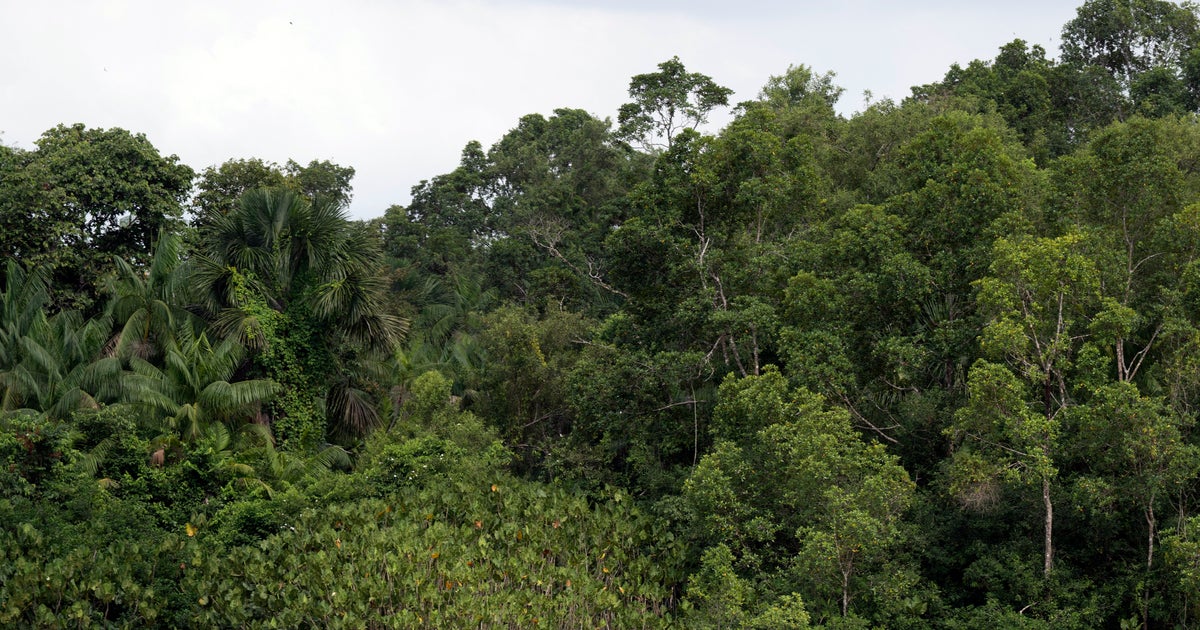
Rare images have surfaced showing a small group of isolated Awá Indigenous people stepping out of a remote section of Brazil's Amazon rainforest. The photographs, shared by the UK-based rights organization Survival International, depict what the group described as a historic meeting with government representatives in the northeastern state of Maranhão. According to advocates, the roughly 20 individuals approached outsiders and asked for food, a move that signals mounting pressure on their territory from illegal loggers, hunters, and ranchers.
What Happened
The encounter reportedly took place in the Araribóia Indigenous Land, where a Funai team met with members of the Awá community who remain in voluntary isolation. Survival International said the images were released at the request of the Guardians of the Amazon, an Indigenous-led group that campaigns against illegal logging and cattle ranching. Brazil's Indigenous affairs agency, Funai, confirmed it is reviewing videos and social media accounts of the interaction and has activated a contingency plan designed to limit health risks for the isolated people.
Funai emphasized that the Brazilian government is not seeking contact with the group and maintains a policy of non-contact. The agency also noted that the Awá are a Tupi-Guarani people located in northwest Maranhão, with some members continuing to live apart from outside society. Reuters reported that it could not independently verify the date or location of the footage, and no earlier versions of the material appeared online before mid-November.
Why This Matters
Uncontacted Indigenous groups are defined as peoples who avoid sustained relationships with outsiders, even when they are aware of the world beyond their forests. For the Awá, any unplanned meeting carries serious risks, particularly exposure to diseases to which they may have little immunity. Caroline Pearce, director of Survival International, said the uncontacted Awá face extreme pressure as intruders encroach from all sides, shrinking their habitable territory into an ever-smaller island surrounded by destruction.
The situation reflects a wider pattern across the Amazon, the world's largest rainforest. Survival International has identified 196 uncontacted groups across ten countries in South America, Asia, and the Pacific, with nearly 95 percent located in the Amazon and 124 specifically in Brazil. COAPIMA, the Maranhão Indigenous people's organization, warned that unplanned contact can endanger the physical and cultural integrity of isolated populations.
Key Takeaways
- Rare images show about 20 uncontacted Awá people emerging from Brazil's Amazon and requesting food.
- The meeting occurred in Maranhão's Araribóia Indigenous Land and involved a Funai team.
- Funai maintains a non-contact policy but activated a health-focused contingency plan.
- Survival International says outsider pressure from loggers, hunters, and ranchers likely drove the group to seek help.
- Brazil is home to 124 of the world's known uncontacted Indigenous groups, most of them in the Amazon.
Conclusion
The images offer a stark reminder of the vulnerability of isolated Indigenous communities in Brazil. As illegal mining, logging, and ranching continue to press into the Amazon, groups like the Awá are being forced into smaller and more precarious spaces. Advocates including COAPIMA and Survival International are urging authorities to act with caution, prioritize disease prevention, and uphold protections that allow uncontacted peoples to remain isolated by choice.
Discussion
Join the conversation
Thoughtful reactions, questions, and follow-up ideas help shape the next story.