Introduction
Nearly a quarter-century after a Texas jury sentenced Jeff Prible to death, a key witness has recanted testimony that once helped secure his conviction. The reversal centers on DNA expert William Watson, whose courtroom statements were central to the case against Prible, and prosecutor Kelly Siegler, whose courtroom rhetoric framed the case around disputed forensic claims.
What Happened
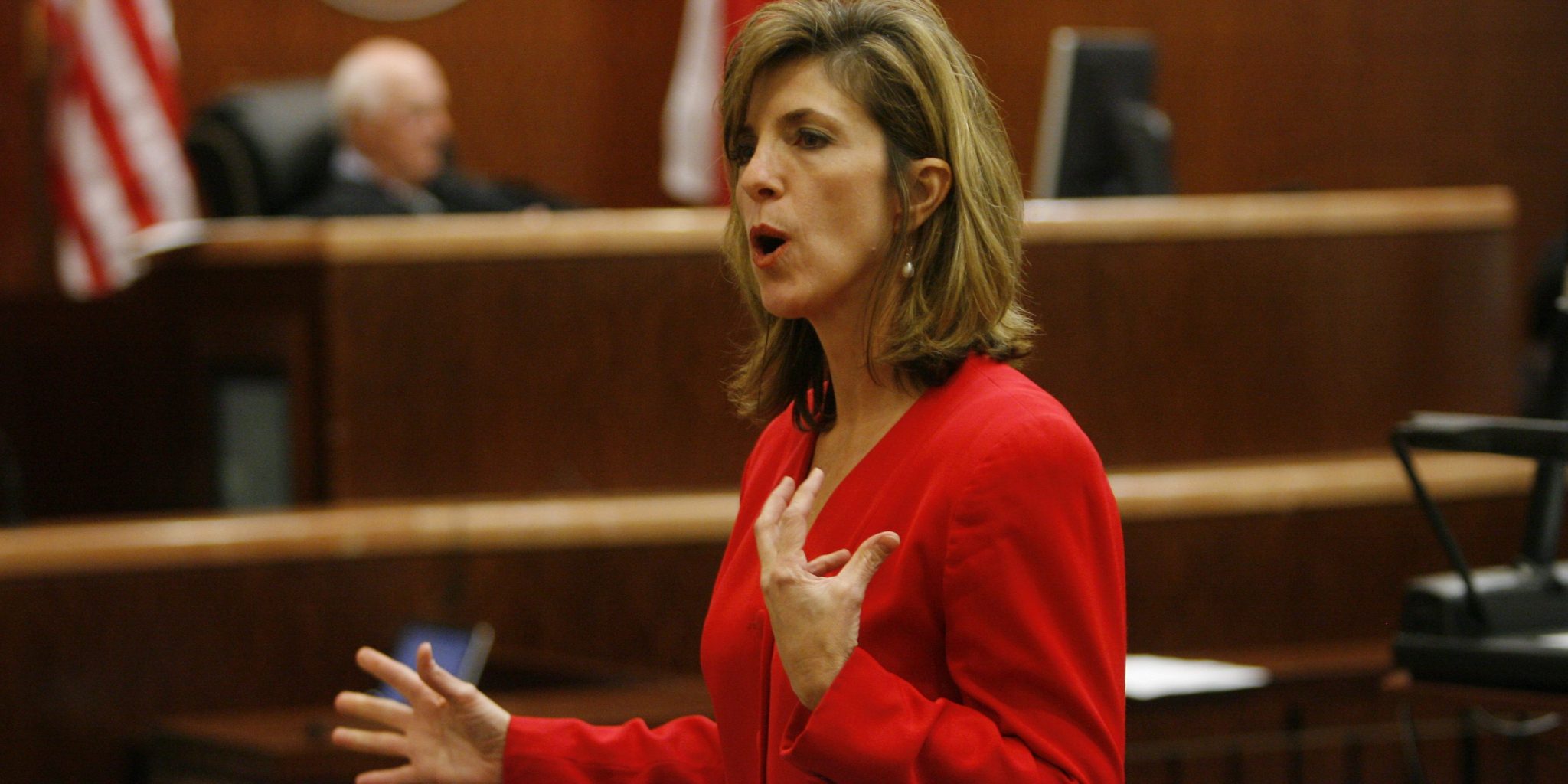
In 1999, Steve Herrera and Nilda Tirado were found shot to death in their North Houston home, a fire set to conceal the crime. Their three children died from smoke inhalation. Prible, who had been at the home earlier, became a suspect after DNA was found on Tirado’s mouth. At trial, DNA expert William Watson testified he had never extracted a male profile from oral swabs and that sperm would not survive in a deceased person's mouth. Prosecutor Kelly Siegler amplified these claims, telling jurors that the presence of Prible’s DNA proved a brutal sexual assault moments before the victims' deaths.
The prosecution also relied on a jailhouse informant who claimed Prible confessed. Multiple snitches would later testify they coordinated with Siegler to strengthen cases in exchange for leniency. Federal Judge Keith Ellison ultimately overturned Prible's conviction in 2020, finding the prosecution withheld evidence of the snitch scheme and engaged in deceptive practices.
Why This Matters
Watson's recantation highlights how forensic testimony can evolve—and how easily it can be misrepresented in court. His new declaration acknowledges significant changes in DNA science, including evidence that sperm can survive in the oral cavity for up to fifteen hours, undermining the core assumption that secured Prible's death sentence. The case exposes systemic risks when prosecutors prioritize convictions over scientific accuracy, and when jailhouse informants operate with little oversight.
For Prible, who has spent 24 years on death row, the recantation offers a legal pathway forward. His attorneys argue that new scientific understanding, combined with the federal court's finding of prosecutorial misconduct, warrants exoneration. The Texas Court of Criminal Appeals now faces a pivotal decision on whether to revisit a case that exemplifies the consequences of flawed forensic testimony.
Key Takeaways
- William Watson, the original DNA expert, has recanted his trial testimony, citing evolved scientific knowledge and misrepresentation by the prosecution.
- New forensic analysis suggests spermatozoa can survive in the oral cavity for up to fifteen hours, directly challenging the scientific basis of Prible's conviction.
- A federal judge found the prosecution withheld evidence of a jailhouse snitch scheme, calling it a pattern of deceptive behavior.
- The Texas Court of Criminal Appeals is now being asked to reconsider Prible's conviction based on this new evidence.
Conclusion
The recantation of a key DNA expert's testimony, combined with newly recognized forensic science, could finally bring closure to a case that has dragged on for nearly a quarter-century. Prible's fight for exoneration underscores the urgent need for transparency, rigorous science, and accountability in capital prosecutions. As the Texas courts weigh the new filing, the broader question remains: how many other convictions rest on similarly fragile foundations?



Discussion
Join the conversation
Thoughtful reactions, questions, and follow-up ideas help shape the next story.