Introduction
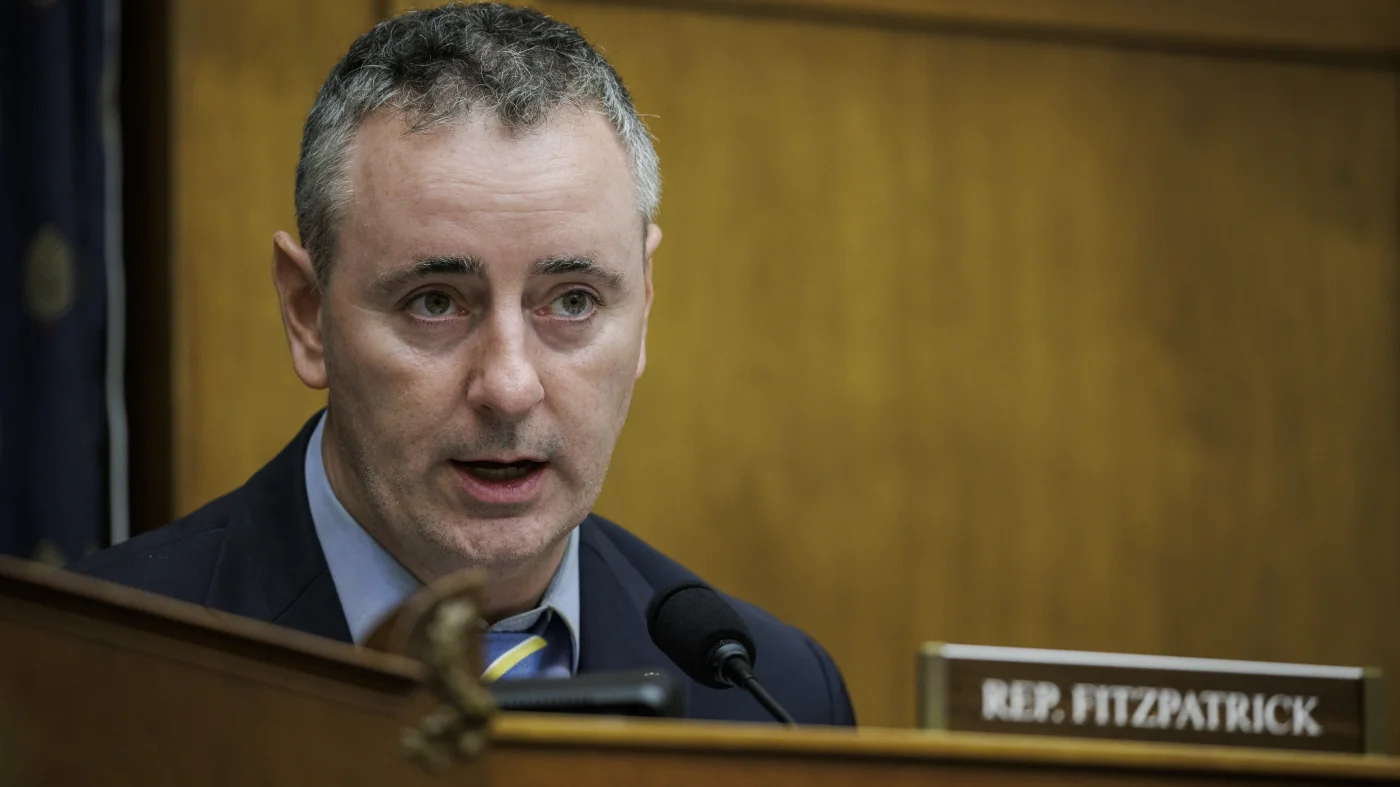
A Republican member of Congress is calling for transparency from the nation's top intelligence agencies before Nvidia's chief executive takes questions on Capitol Hill. Representative Brian Fitzpatrick of Pennsylvania says the public deserves clarity on what the FBI and CIA knew about possible national security risks involving Jensen Huang, and whether the Nvidia leader was ever alerted to those concerns.
What Happened
Fitzpatrick, a former FBI agent who serves on the House Intelligence Committee, said he wants to hear from federal investigators before Huang appears before House lawmakers next week. His request follows reports of a closed-door briefing in which intelligence officials told congressional staff there is no evidence that a woman involved in a personal relationship with Huang acted as a Chinese spy or intelligence asset. The same officials said there is no indication she began the relationship to gather information for Beijing, though she is believed to have shared information after it started.
President Trump has said he helped facilitate Huang's return to the CEO role, and Nvidia's board has maintained that the move poses no national security risk. Still, Fitzpatrick and other Republican lawmakers want to know how those conclusions were reached and what specific briefings were provided to the company's leader.
Fitzpatrick also said he expects to hear from Attorney General Todd Blanche, who recently characterized Nvidia as a responsible corporate citizen, and Commerce Secretary Howard Lutnick, whose department is fielding questions about the company's chip exports to China.
Why This Matters
The inquiry touches on several sensitive issues at once: U.S. artificial intelligence leadership, economic competition with China, and the standards for executive conduct in the technology sector. Nvidia's advanced processors are central to American AI development, making any perceived security vulnerability a matter of broader policy concern.
The situation has also sparked debate outside Washington. In Silicon Valley, some women and workplace advocates have expressed alarm over Huang's reinstatement, arguing that it raises unresolved questions about accountability for senior executives. Fitzpatrick framed his push as a fact-finding mission rather than a predetermined outcome, saying investigators should follow the evidence wherever it leads.
Key Takeaways
- Rep. Brian Fitzpatrick wants FBI and CIA officials to explain what they knew about potential threats involving Nvidia's CEO before his scheduled House appearance.
- Intelligence officials reportedly found no evidence that a woman tied to Huang was a Chinese spy, though they believe she shared information after their relationship began.
- President Trump says he helped bring Huang back as CEO, while Nvidia's board says the decision carries no national security risk.
- Fitzpatrick is also seeking input from Attorney General Todd Blanche and Commerce Secretary Howard Lutnick regarding Nvidia's conduct and exports to China.
- The controversy has reignited discussions in Silicon Valley about workplace culture and executive accountability.
Conclusion
As Huang prepares to face lawmakers, the pressure is mounting on federal agencies to disclose what they know and when they knew it. For Fitzpatrick, the core question is straightforward: did intelligence officials warn the Nvidia chief about possible espionage risks, and if so, when? Until those answers are public, the debate over Nvidia's leadership and its ties to China is unlikely to settle.
Discussion
Join the conversation
Thoughtful reactions, questions, and follow-up ideas help shape the next story.