Introduction
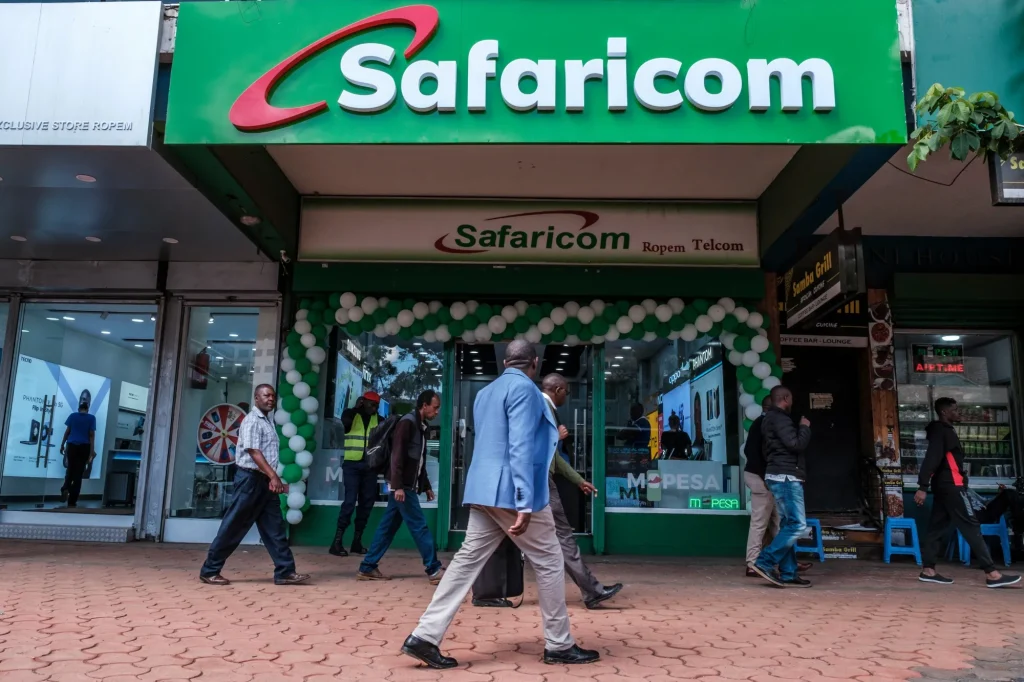
Safaricom dismissed 118 staff for fraud in the latest reporting period while fraud incidents fell 82%, highlighting an intensified crackdown on insider threats at Kenya's leading telecom.
What Happened
The dismissals represent roughly 2% of Safaricom's 5,648-strong workforce and mark a significant increase from the 28 terminations recorded in the year to March 2021. The report notes a steady climb in firings, with 95 cases in the year to March 2024 and 113 in the year to March 2025, indicating the latest count is part of a rising trend rather than an isolated spike. Safaricom investigated 118 fraud cases, issued three disciplinary warnings, and referred 14 cases to law enforcement, up from seven the prior year. Fraud remained the most frequently reported concern through the company's anonymous ethics hotline. The company shifted from an investigation-led approach to real-time detection covering internal, distributor, and mobile-money fraud. Monitoring and analytics tools recovered KES 953 million (approximately $7.4 million) linked to inflated agent commissions, and 46% of reported fraud losses were clawed back. Fraud awareness training reached 5,643 people across staff, call centres, M-PESA outlets, distributors, and brand ambassadors, while 98% of employees completed the annual ethics programme.
Why This Matters
Safaricom staff have direct access to customer data, SIM registration systems, and the M-PESA agent network, making insider conduct particularly high-risk. The company emphasized that customers entrust it with personal information, communications, and financial transactions, expecting secure and reliable service. The dismissals reflect a broader industry trend: KCB Group also increased fraud-related firings to 60 in 2025 from 34 in 2024, while Equity Group's CEO revealed over 1,200 terminations following a staff transaction audit. Outside the financial sector, Kenya Power dismissed at least 20 employees over irregularities, including a diesel-theft scheme that cost the utility KES 207.6 million. The report identifies in-person social engineering as the largest source of customer fraud, highlighting the ongoing challenge of manipulating staff or systems. By embedding accountability through training and real-time monitoring, Safaricom aims to reduce risk, though the report does not detail how many cases resulted in criminal charges.
Key Takeaways
- 118 staff dismissed for fraud, a more than fourfold increase compared to 2021 levels.
- Fraud incidents dropped 82%, though the company fell short of its 90% target.
- Real-time detection and monitoring recovered KES 953 million linked to inflated agent commissions.
- Fraud awareness training reached over 5,600 people, and 98% of staff completed the annual ethics programme.
- Industry-wide, other Kenyan firms including KCB and Equity Group have also intensified firings over fraud concerns.
Conclusion
Safaricom's latest crackdown underscores the growing emphasis on internal integrity at Africa's largest telecom. As the company real-time monitors fraud across its distributor network and M-PESA ecosystem, the focus on accountability is likely to shape future policy and operational practices. Stakeholders will be watching whether the downward trend in fraud incidents continues alongside these stricter personnel actions.








Discussion
Join the conversation
Thoughtful reactions, questions, and follow-up ideas help shape the next story.