Introduction
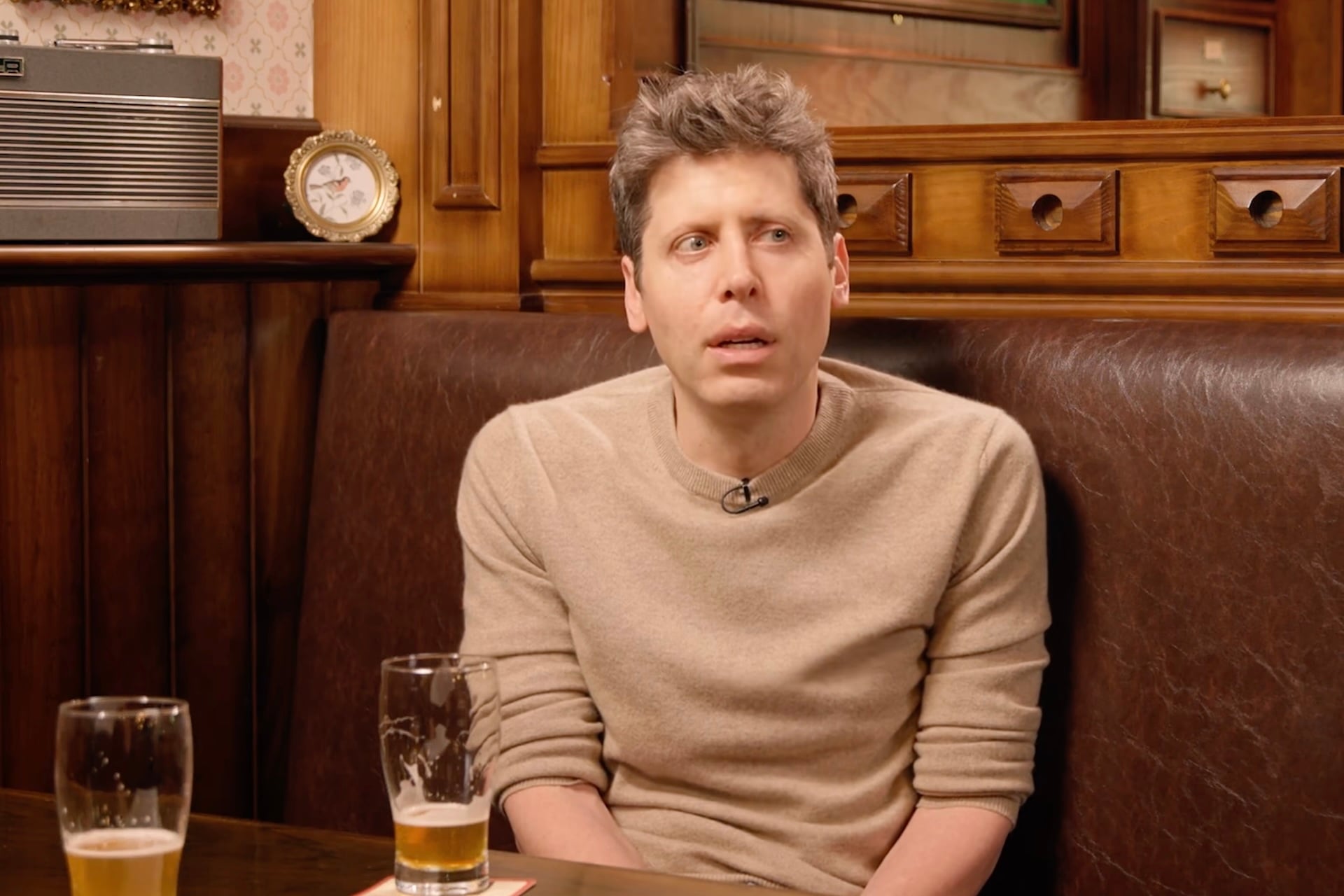
Sam Altman got personal during a recent podcast appearance, opening up about the emotional weight behind OpenAI's rapid ascent. What unfolded was a candid look at the tension between groundbreaking AI progress and the human stories left in its wake.
What Happened
Appearing on John Collison's Cheeky Pint podcast, Altman discussed OpenAI's internal Hold My Beer model, which recently took on hundreds of long-standing math challenges, including a much-publicized solution to the Navier-Stokes equation. The model reportedly solved nearly 400 previously unsolved problems, sparking both applause and criticism from mathematicians who questioned the methods behind the results. Altman admitted he stayed up two consecutive nights, caught between exhilaration and a surprising sense of loss.
Why This Matters
The ripple effects reach far beyond benchmark scores. As AI systems close in on problems that once defined entire careers, the speed of deployment outpaces public conversation about consequences. Altman's reflection—experiencing both thrill and melancholy—highlights a growing divide: the technology's momentum feels inevitable, but its impact on established research communities is very real.
Key Takeaways
- OpenAI's internal Hold My Beer model solved hundreds of previously unsolved math problems, including the Navier-Stokes equation.
- Sam Altman revealed he lost sleep over the speed of progress, feeling both thrilled and deeply melancholic.
- Mathematicians pushed back, questioning the originality of AI-generated proofs.
- The podcast conversation exposed a broader industry belief that AI's forward march is inevitable, regardless of present-day disruption.
- Altman acknowledged OpenAI could do better explaining why the trade-offs of rapid AI development are worth it.
Conclusion
Altman's Hold My Beer moment is more than a catchy nickname—it's a window into the uneasy balance between AI innovation and the human stories caught in its path. As the technology accelerates, the conversation can't stop at what it can solve; it must also address what it leaves behind.





Discussion
Join the conversation
Thoughtful reactions, questions, and follow-up ideas help shape the next story.