Introduction
The U.S. Senate has approved its first legislative measure aimed directly at the prediction market industry. The new bill would prohibit federally regulated exchanges from offering contracts tied to terrorism, assassinations, war, U.S. military operations, or an individual's death. The proposal now advances to the House of Representatives.
What Happened
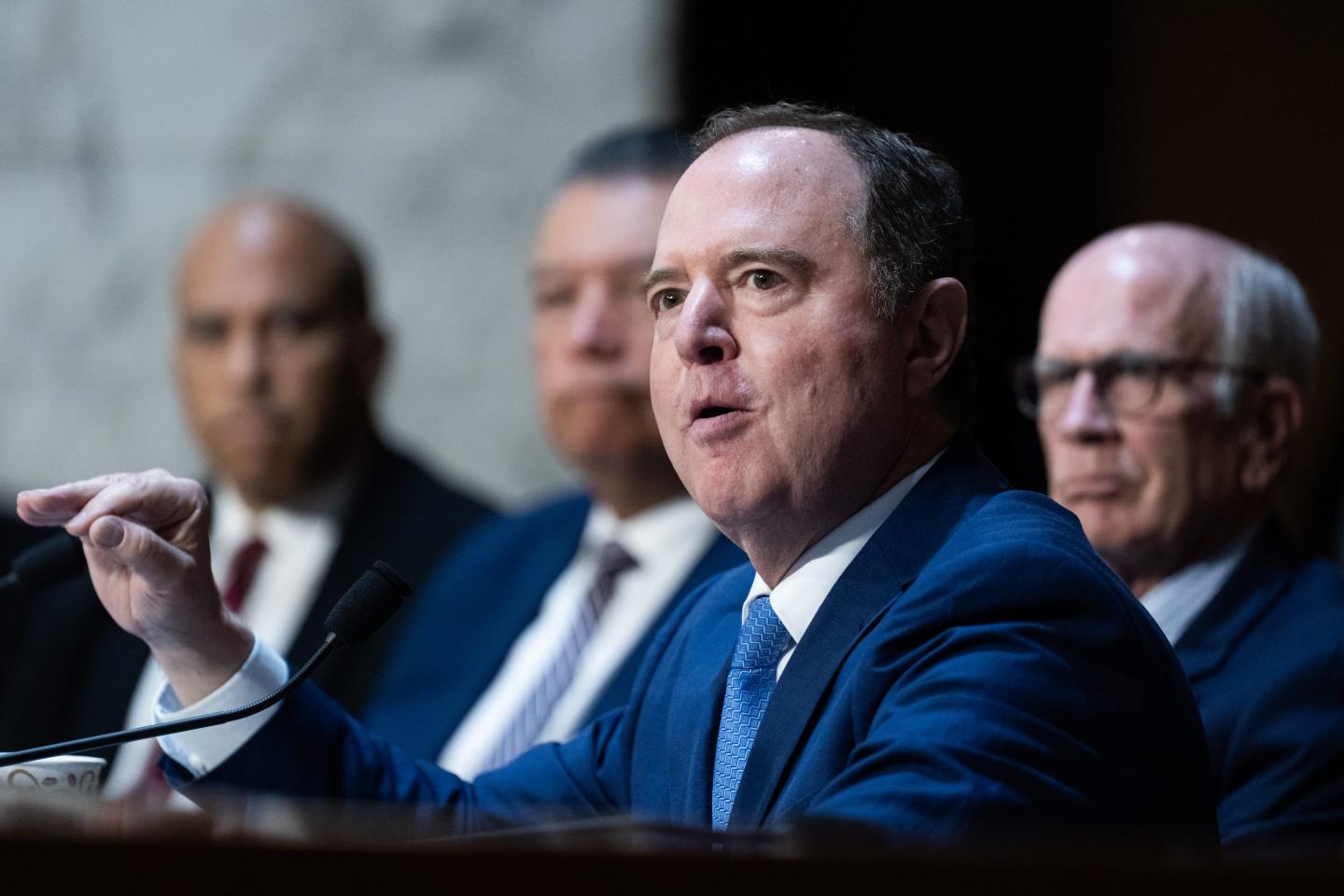
Senators passed the DEATH BETS Act by voice vote on Thursday evening. Sponsored by Sen. Adam Schiff (D-Calif.) and Sen. John Curtis (R-Utah), the legislation targets exchanges and clearinghouses supervised by the Commodity Futures Trading Commission. It would ban markets linked to terrorism, assassination, war, U.S. military operations, or a person's death. The restriction also reaches contracts where the final result is expected to turn chiefly on a person's death, even when the contract text avoids the subject entirely. Because the chamber used a voice vote, no recorded roll call was taken. The bill still requires House approval before it can be sent to the president.
Why This Matters
Prediction platforms such as Kalshi and Polymarket have expanded rapidly over the past two years, allowing users to wager on elections, conflicts, and other major events. Lawmakers say some of these markets have raised serious ethical and security concerns. Sen. Schiff argued on the Senate floor that these platforms operate without enough regard for national security or basic morality and require stronger oversight. A Polymarket user reportedly collected over $400,000 after wagering that Nicolás Maduro would be removed from power, a bet placed before U.S. forces captured the Venezuelan leader in January. Kalshi came under scrutiny for a market asking whether Iranian Supreme Leader Ali Khamenei would leave office. Following his death, the platform refused to pay traders who had bet on his departure, pointing to a rule that treats death as a non-qualifying outcome. He also raised concerns about wagers on whether NASA's Artemis II mission would explode and whether Russian forces would seize the Ukrainian city of Myrnohrad.
Key Takeaways
- The Senate passed the DEATH BETS Act, marking the first prediction market bill to clear either chamber of Congress.
- The measure bars CFTC-regulated platforms from offering contracts on terrorism, assassination, war, U.S. military operations, or an individual's death.
- It also covers markets where the outcome is expected to hinge mainly on someone's death, regardless of contract wording.
- The legislation passed by voice vote and still needs approval from the House and the president.
- Supporters cite national security, morality, and anonymous trading that could facilitate insider activity.
- Kalshi representatives have said the firm does not list death markets, while Polymarket declined to comment on the legislation.
Conclusion
The Senate's vote signals a turning point for prediction markets in Washington. Although the DEATH BETS Act has not yet become law, its passage reflects growing bipartisan concern about an industry that has operated with limited federal oversight. Lawmakers from both parties have also raised separate issues involving sports betting markets, underage users, and possible insider trading. It remains to be seen how quickly the House will act, but the message from Capitol Hill is that prediction markets are facing serious scrutiny.
Discussion
Join the conversation
Thoughtful reactions, questions, and follow-up ideas help shape the next story.