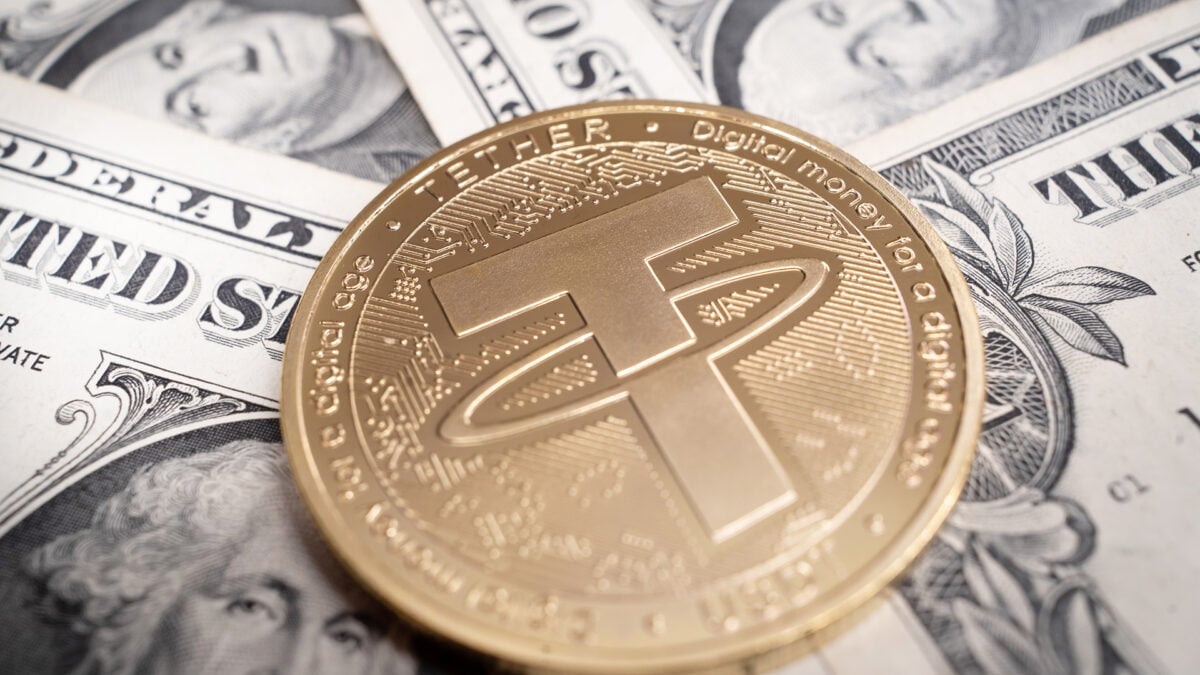
A Bloomberg investigation has shed light on how stablecoin issuer Tether handles requests to return frozen cryptocurrency tied to theft. According to reviewed emails, a lawyer representing Tether suggested a 20% “reissuance fee” on stolen USDT that had been immobilized after a June 2020 hack of a Singapore-based exchange. The exchange, connected to Bittok Technology Pte. Ltd., has yet to recover those frozen assets. The disclosure arrives amid a broader surge in stablecoin freezes and renewed scrutiny over whether centralized crypto issuers can act like traditional banks without undermining the decentralized ethos of digital assets.
What Happened
In June 2020, hackers stole approximately $50 million from a cryptocurrency exchange in Singapore. Tether moved quickly to freeze some of the stolen USDT, but the affected firm—linked to Bittok Technology Pte. Ltd.—has not received the immobilized funds. Emails examined by Bloomberg indicate that Tether’s legal counsel proposed charging a 20% reissuance fee before any of those assets could be returned.
Bloomberg’s report does not confirm whether the exchange paid the fee, nor does it establish a blanket policy requiring such a cut in theft cases. Individuals familiar with other recoveries, speaking anonymously due to the private nature of the talks, said some victims have received stolen USDT in installments over time, sometimes under similar fee arrangements.
Tether CEO Paolo Ardoino told Bloomberg that in civil matters, the company tends to reissue funds “in steps” to limit exposure to competing claims. He noted there is no governing law or regulatory framework that clearly dictates how these situations should be handled. A company spokesperson added that Tether has reissued $1.2 billion in USDT overall, including amounts returned to victims and law enforcement, and said fees help cover recovery operations and legal expenses.
It is worth distinguishing this from Tether’s published policy for mistaken deposits. For tokens sent to unsupported addresses or contracts, the company’s website lists a potential charge of up to 10% of the recovery amount or $1,000, whichever is greater. That published rate applies to accidental transfers, not theft. For stolen funds, scams, and law-enforcement matters, Tether directs users to a separate requests team and does not publish a standard percentage for reissuing frozen USDT.
Why This Matters
The Tether disclosure comes shortly after a massive $6.3 billion hack of Binance, during which roughly $3 billion in stolen assets was frozen across multiple blockchains. That sum included more than $1.5 billion in USDT and about $1.1 billion in Circle’s USDC. Circle acted within about an hour of the first suspicious movements, a speed that industry observers praised but critics used to highlight a central contradiction: stablecoins and tokenized assets often depend on centralized companies that can halt transactions at will, much like a traditional bank.
Circle’s own policy has shifted as well. In April, CEO Jeremy Allaire said the firm would not freeze USDC without a court order or law-enforcement direction. By May, the website language had changed to allow a government legal order—short of a court ruling—to trigger a freeze.
The debate extends beyond stablecoins. THORChain, a cross-chain protocol often marketed as unstoppable, paused trading in May following a roughly $10 million theft. After the Binance incident, stolen funds moved through the same network, leading critics to argue that its operators possess more intervention power than the project’s branding suggests. On Bitcoin, the pseudonymous operator of a widely used CoinJoin mixing coordinator has faced criticism for not blocking coin mixes tied to North Korean hacking groups, including proceeds from the Binance breach.
These cases point to a record year for issuer-led interventions. BlockSec data cited by Bloomberg shows stablecoin issuers froze roughly $9 billion through November 20, 2026—more than double the 2025 total and a sharp increase from about $1 billion in 2023. Tether alone accounts for more than $7 billion of this year’s figure.
Key Takeaways
- Tether’s legal team reportedly proposed a 20% reissuance fee on frozen stolen USDT tied to a 2020 Singapore exchange hack.
- The affected firm tied to Bittok Technology has not received the frozen funds, and it remains unclear whether any fee was paid.
- Tether says it reissues funds in stages during civil cases to manage risk, citing a lack of clear legal guidance.
- The company’s published 10% fee applies to mistaken deposits, not theft, and no standard rate is listed for stolen USDT recoveries.
- Stablecoin freezes reached about $9 billion in 2026 through November, with Tether responsible for over $7 billion of that total.
- The Binance hack and other major thefts have intensified debate over centralized control in an industry built on decentralization.
Conclusion
Tether’s reported request for a 20% cut is not confirmed as official policy, but it illustrates how little transparency surrounds the process of returning stolen stablecoins. As issuers freeze record amounts of crypto and act with increasing speed, users are left navigating a patchwork of unpublished fees, case-by-case negotiations, and shifting legal standards. For anyone holding or transacting in USDT, USDC, or other centrally issued stablecoins, the episode is a reminder that recoverability often comes with strings attached—and that the power to freeze funds also carries the power to set the terms of their return.
Discussion
Join the conversation
Thoughtful reactions, questions, and follow-up ideas help shape the next story.