Introduction
It has been nearly six years since a mob of Donald Trump's supporters stormed the U.S. Capitol in an attempt to halt the certification of Joe Biden's 2020 election victory. More than 170 law enforcement officers were injured during the assault, one officer later died from a stroke, and four others died by suicide. Despite the well-documented violence, several of President Trump's recent nominees appeared reluctant to acknowledge what happened when questioned under oath.
What Happened
At a Senate Homeland Security and Governmental Affairs Committee hearing, Senator Richard Blumenthal (D-Conn.) asked the panel whether the U.S. Capitol had been attacked on January 6, 2021.
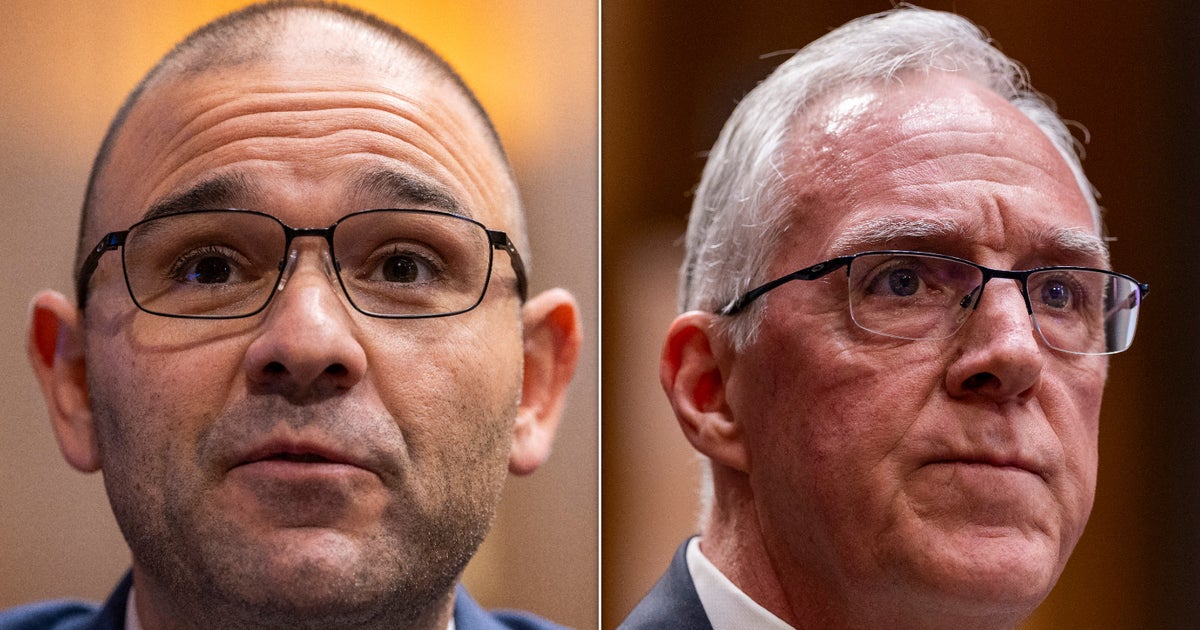
Michael LoSapio, the president's nominee to direct the Cybersecurity and Infrastructure Security Agency, said he did not know how to classify the day. After further questioning, he ultimately rejected the idea that an attack had taken place. LoSapio currently works as chief information security officer at Palantir, the software company co-founded by Trump ally Peter Thiel.
Michael Chamberlain, Trump's choice to lead the Office of Government Ethics, was similarly vague, saying only that certain individuals had engaged in behavior they should not have. When asked who won the 2020 presidential election, LoSapio declined to respond, and Chamberlain repeatedly said Joe Biden had been president for four years without confirming his electoral victory. Dennis Kirk, nominated for inspector general at the Department of Interior, offered the same non-answer.
Of the seven nominees present, only Mark Priebe, a candidate for inspector general at the Department of Education, confirmed that Joe Biden had won the popular vote in 2020.
Why This Matters
The reluctance to confirm basic facts about January 6 and the 2020 election is more than an awkward moment in a confirmation hearing. The Cybersecurity and Infrastructure Security Agency is charged with protecting election infrastructure, making LoSapio's inability to describe the Capitol attack especially relevant to his qualifications. Likewise, the Office of Government Ethics is meant to serve as an independent arbiter of conduct across the federal government.
Blumenthal has turned this question into a recurring litmus test for Trump's judicial and executive nominees. Admitting that the Capitol was attacked effectively requires acknowledging that the former president encouraged an insurrection to overturn an election he lost. For nominees eager to secure their positions, that admission appears politically costly.
Key Takeaways
- Seven Trump nominees appeared before the Senate Homeland Security and Governmental Affairs Committee.
- Michael LoSapio, nominated for CISA director, said the Capitol was not attacked on January 6, 2021.
- Michael Chamberlain, nominated for the Office of Government Ethics, avoided confirming Joe Biden's 2020 election victory.
- Dennis Kirk, nominated for Interior Department inspector general, repeatedly said Joe Biden was president without addressing the election outcome.
- Only Mark Priebe, nominated for Education Department inspector general, affirmed that Joe Biden won the popular vote.
- More than 170 police officers were injured during the January 6 attack, with additional deaths linked to the day.
Conclusion
Six years after January 6, the basic facts of that day remain a political Rorschach test for some of the president's chosen appointees. While one nominee was willing to state the obvious, the rest chose to dodge, minimize, or deny what occurred. For the Senate and the public, the hearing underscored how deeply loyalty to the former president continues to shape the willingness of his nominees to acknowledge established history.
Discussion
Join the conversation
Thoughtful reactions, questions, and follow-up ideas help shape the next story.