
Introduction
President Trump is reshaping Washington D.C. through an extensive construction campaign, investing time and political capital into transforming the capital with ballrooms and bunkers.
What Happened
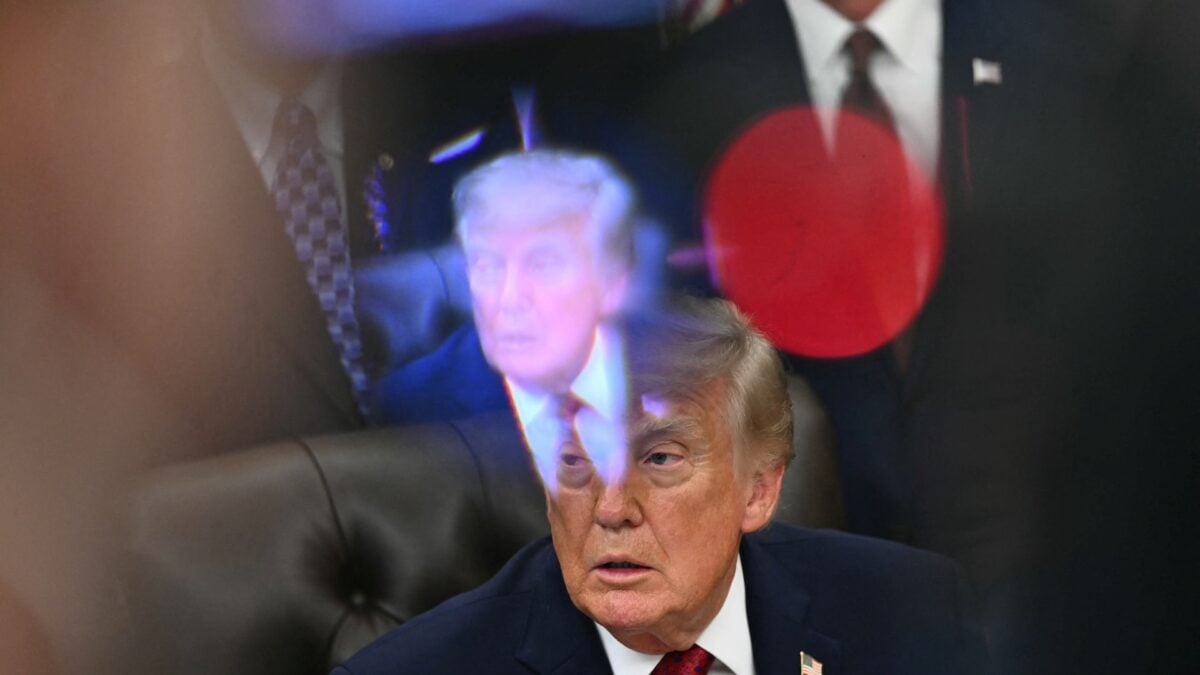
New York Magazine correspondent Ben Terris secured a rare, hours-long interview with President Trump that began as a brief discussion but quickly evolved into an extensive White House tour. What started as a 15-20 minute conversation stretched to 90 minutes as Trump personally guided Terris through every ongoing renovation, from the grand ballroom to the reflective pool and the controversial underground military bunker being carved beneath the East Wing. Throughout the tour, Trump detailed his preferences for everything from specific marble varieties to the exact concrete mix, emphasizing his hands-on approach to every aspect of the projects.
Why This Matters
These construction projects sit at the intersection of personal legacy and public policy, raising questions about priorities when voters face economic pressure. While Trump frames the work as restoring grandeur to the White House and creating structures that cannot be easily undone through political shifts, critics argue the spending is tone-deaf amid concerns about inflation and public priorities. The president's determination to create lasting architectural impact through nuclear-grade concrete and ambitious design choices represents a unique approach to presidential legacy-building that will likely influence debates about executive power and public spending for years to come.
Key Takeaways
- Trump views the construction process as both therapeutic and a means of creating an irreversible legacy
- The ballroom, arch, reflecting pool, and underground bunker are central elements of a comprehensive renovation effort
- Trump prioritizes durable materials and engineering choices to ensure projects endure beyond any single administration
- Political opposition and public economic concerns have not deterred the president, who dismisses such warnings
- The projects represent a blend of personal passion for building and strategic intent to shape physical spaces that outlast administrative changes
Conclusion
Whether viewed as visionary or wasteful, Trump's DC construction surge represents an unprecedented approach to presidential legacy-building. As these structures rise and evolve across the capital, they will continue to spark conversation about the balance between personal vision and public office, the cost of ambition, and what endures when a leader invests everything into physical monuments. The coming years will likely reveal how these spaces are received by future administrations and the public alike.

Discussion
Join the conversation
Thoughtful reactions, questions, and follow-up ideas help shape the next story.