Introduction
A major technology firm sits at the center of the modern economy, enjoys deep ties to the sitting president, and faces questions about conduct that could touch on national security. In 2001, that description fit Enron, and George W. Bush kept his distance as federal prosecutors pursued the company's leaders. In 2026, the company is Nvidia, and Donald Trump stepped in personally to return Jensen Huang to the chief executive role less than two weeks after Huang stepped down. The contrast illustrates how Washington's posture toward corporate power has shifted from prosecution to partnership.
What Happened
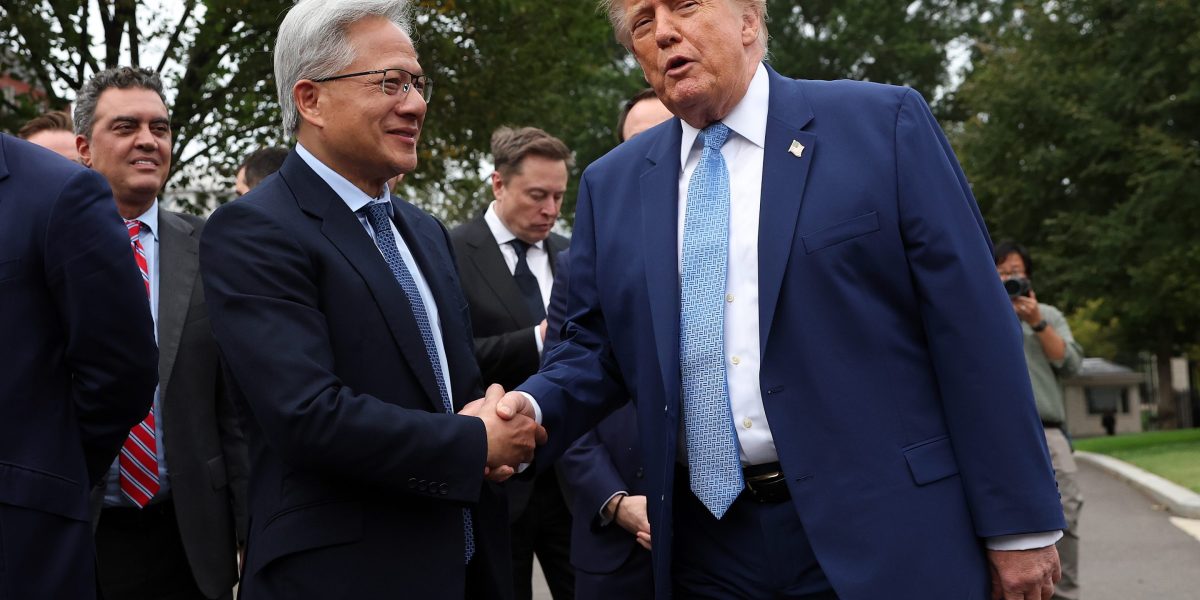
Huang resigned from Nvidia following reports of extramarital relationships, including one with Alice Huang, a Chinese national whom U.S. officials suspect of intelligence activity. She is not related to the CEO. Huang has denied compromising national security, and prosecutors have not brought criminal charges against him. Eleven days after his departure, Trump announced that he had convinced Nvidia's board to reinstate Huang, telling CNBC by phone that the executive was "absolutely fine."
The market responded immediately. Nvidia shares jumped roughly 31.5 percent in a single session, adding about $952 billion in market value—the company's best trading day since 2003—though the stock later surrendered some of those gains. The episode unfolded against a backdrop of lobbying and political giving: Nvidia contributed $1 million to Trump's inaugural fund and $25 million to a White House ballroom project, while Huang spent roughly two years cultivating ties with the president as the company pushed for looser export restrictions on advanced chips bound for China.
Why This Matters
The comparison to Enron is imperfect. Enron's collapse involved accounting fraud that wiped out tens of billions in shareholder value and led to criminal convictions for top executives. The allegations surrounding Huang do not, so far, resemble that scale of financial deception. Still, the Enron episode remains a useful reference point because it marked the end of an era when the Justice Department aggressively pursued corporate leaders, even ones with personal ties to the president.
Kenneth Lay, Enron's founder and a longtime Bush family ally known to the president as "Kenny Boy," called two Cabinet secretaries as his company crumbled in 2001. Both said they declined to help. Lay and former CEO Jeffrey Skilling were later convicted of fraud, though Lay died before sentencing. By contrast, Trump openly claimed credit for Huang's restoration, and his administration has moved to treat major firms as strategic partners rather than enforcement targets. That shift includes direct government stakes in companies such as Intel and U.S. Steel, alongside a stake in proceeds from Nvidia and AMD chip sales to China.
Key Takeaways
- Trump personally intervened to restore Jensen Huang as Nvidia CEO after Huang resigned over reports of extramarital affairs.
- Huang has denied compromising national security, and no charges have been filed; the situation is not an Enron-style accounting fraud case.
- Nvidia's stock surged roughly 31.5% on the news, adding nearly a trillion dollars in market value before paring some gains.
- The contrast with George W. Bush's hands-off approach during Enron's collapse highlights a broader shift from corporate prosecution to political partnership.
- Nvidia faces ongoing scrutiny, including an SEC civil investigation and a subpoena from California's attorney general, with Huang set to testify before the Senate Banking Committee on December 3.
Conclusion
Whether the Nvidia episode becomes a lasting political scandal remains uncertain. Huang is scheduled to appear before the Senate Banking Committee on December 3, and Democrats have already linked the company's political contributions to favorable regulatory decisions, though no direct evidence of a quid pro quo has emerged. The Enron precedent suggests that accountability can move slowly, but it also shows that Washington once treated even presidential allies as subjects of criminal inquiry. Today, the dynamic appears to have reversed: the president is not standing back. He is stepping forward.
Discussion
Join the conversation
Thoughtful reactions, questions, and follow-up ideas help shape the next story.