Introduction
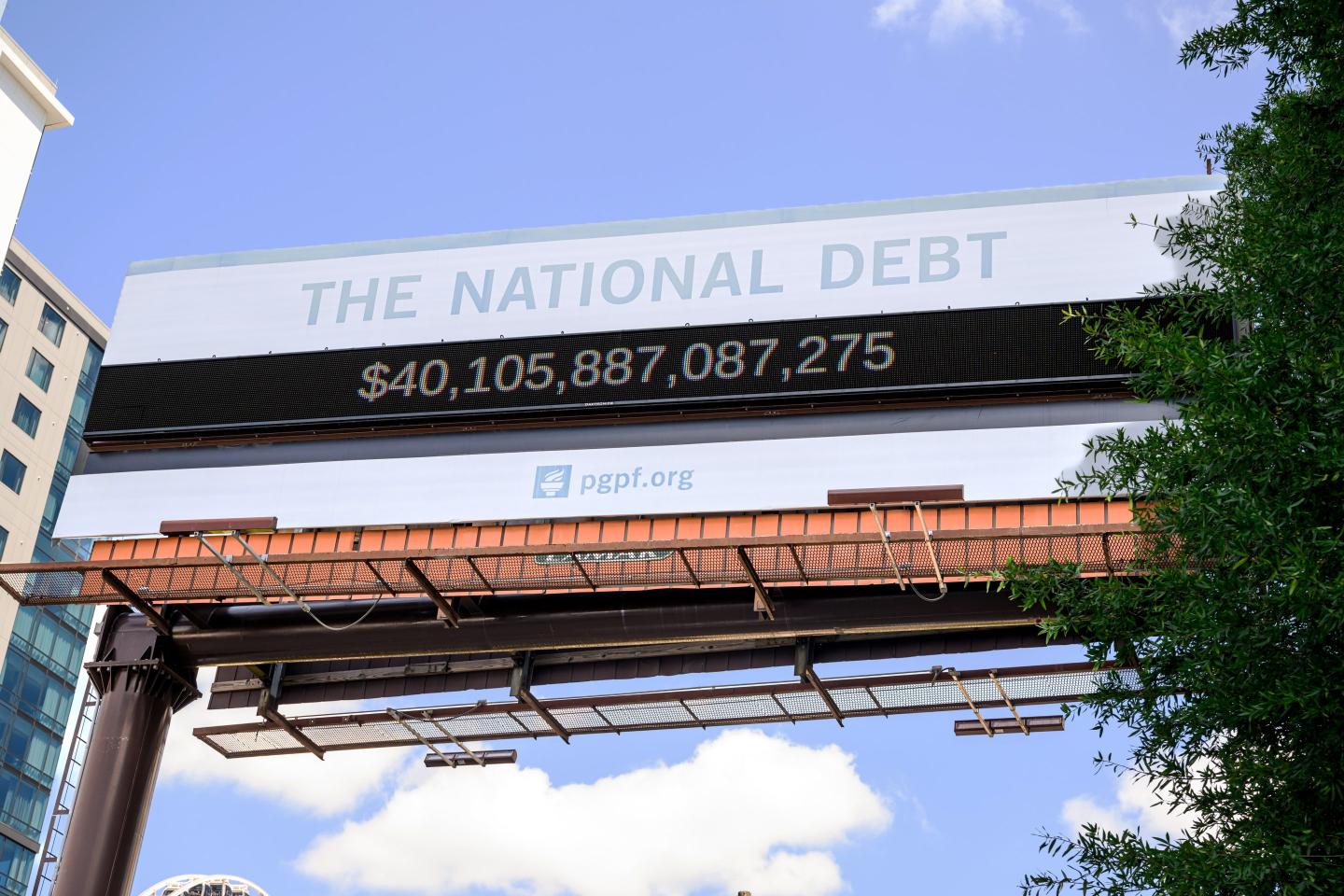
The United States' fiscal trajectory is under intense scrutiny as credit agency Scope warns that soaring interest costs and widening deficits make the nation's debt increasingly vulnerable to market swings. With the 10-year Treasury yield already surpassing long-term forecasts, the sustainability of the country's debt path is at a critical juncture.
What Happened
Scope Ratings affirmed the U.S. sovereign credit rating at AA- , maintaining a stable outlook but highlighting deepening fiscal risks. The agency noted that structural expenditure pressures and limited political will for reform are driving deficits higher, even as primary spending remains roughly stable at 3.5% of GDP. A key concern is the 10-year Treasury yield, which recently climbed to 5.27% -- well above the Congressional Budget Office's projected 4.3% through 2031. This spike is forcing the Treasury to rebalance debt toward shorter maturities, a strategy intensified by Secretary Scott Bessent's recent buyback operations. Meanwhile, price-sensitive hedge funds have entered the $32 trillion Treasury market, replacing more stable foreign central bank holdings and adding new layers of volatility. The report also flags the looming debt ceiling, currently set at $41.1 trillion, which Scope expects to be tested by early 2027, potentially triggering partisan standoffs that could further unsettle markets.
Why This Matters
The rising cost of servicing the national debt is crowding out other government priorities. Scope warns that without stronger growth or meaningful fiscal adjustment, general government debt could approach 160% of GDP by 2036. If yields remain just one percentage point above CBO projections, an estimated $3.5 trillion could be added to the debt over the next decade. The shift toward short-term borrowing makes the government more vulnerable to rapid rate increases, while the growing influence of hedge funds in the Treasury market introduces additional instability. With the fiscal year 2026 closing in a $2 trillion deficit and interest costs hitting a record 3.4% of GDP, the pressure on lawmakers to address long-term sustainability is intensifying.
Key Takeaways
- Scope maintained the U.S. sovereign rating at AA- with a stable outlook, but flagged rising fiscal vulnerabilities.
- The 10-year Treasury yield at 5.27% exceeds CBO forecasts, increasing debt-servicing burdens.
- Structural expenditure pressures and limited political will are driving deficits, even as primary balances hold steady.
- Treasury is shifting toward shorter maturities, increasing exposure to rate volatility.
- Hedge fund activity is reshaping the $32 trillion Treasury market, adding short-term pressure.
- The debt ceiling could reach $41.1 trillion by early 2027, risking partisan gridlock.
- CRFB's year-end analysis shows FY 2026 deficit hit $2 trillion, with interest costs at a record 3.4% of GDP.
Conclusion
The U.S. debt situation is at a critical inflection point where market dynamics, political choices, and interest rate movements converge. Without decisive fiscal reform and a managed approach to debt maturity, the country risks escalating costs and reduced flexibility to respond to future economic shocks. Stakeholders should monitor the 2027 debt ceiling debate closely, as the decisions made in the coming months will shape the nation's fiscal resilience for years to come.



Discussion
Join the conversation
Thoughtful reactions, questions, and follow-up ideas help shape the next story.