Introduction
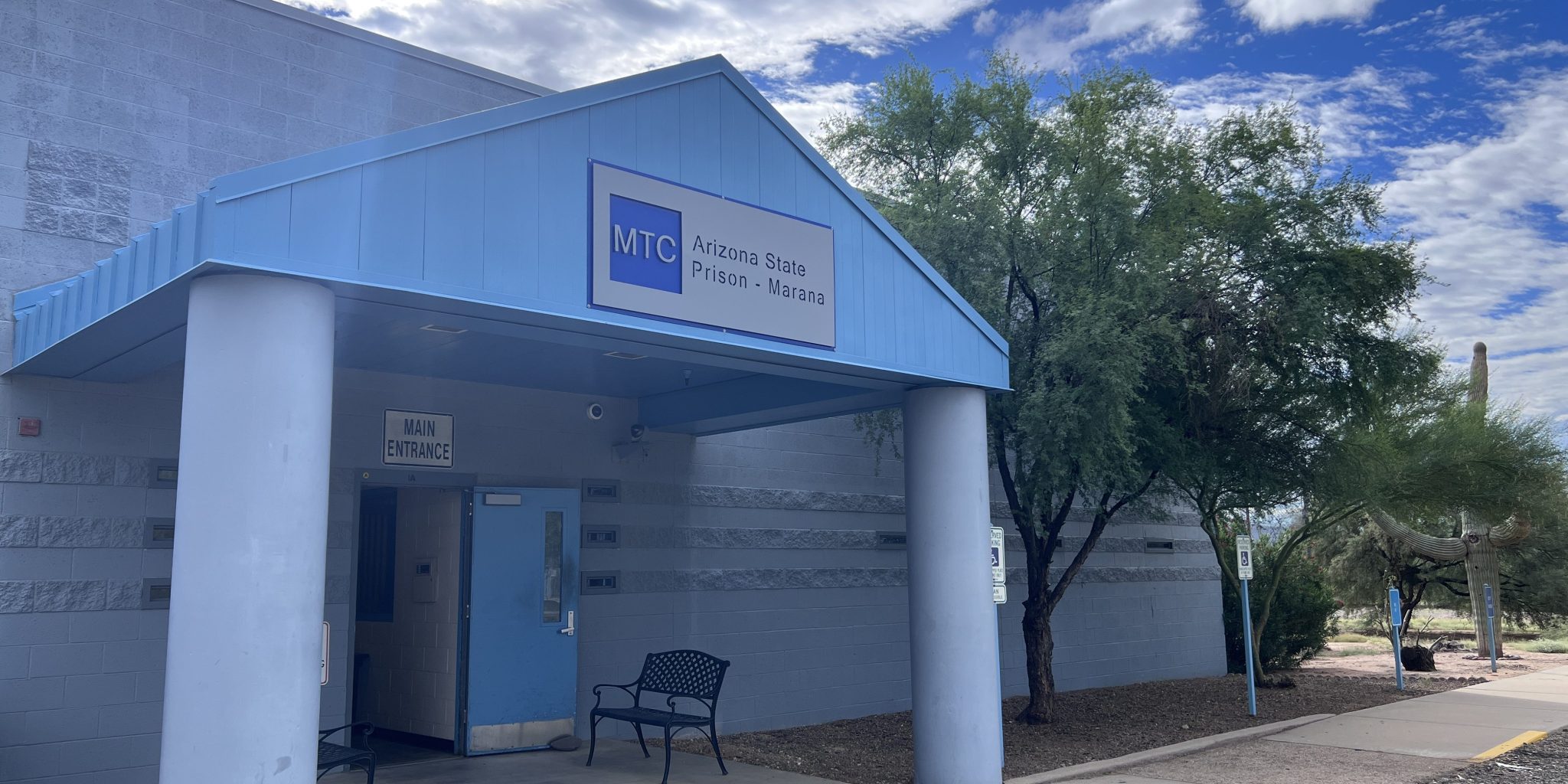
Arizona State Prison–Marana, a private facility once operated by Management and Training Corporation, is poised to reopen as an Immigration and Customs Enforcement detention center despite a history of unreported sexual abuse and deplorable conditions. Whistleblowers and internal records reveal that staff misconduct was systematically excluded from federal audits, raising urgent questions about detainee safety.
What Happened
In spring 2022, a commissary clerk at the Arizona facility allegedly engaged in a sexual relationship with an incarcerated individual. The situation escalated after a fight between two prisoners over the staffer, leading to an admission of repeated sexual encounters. Although the warden and other officials were reportedly aware, the following year's PREA audit omitted the incident entirely. The audit certified the prison as having zero reported abuse, even as internal documents and witness accounts contradicted that finding. Additional allegations of staff-on-inmate misconduct and poor conditions further marred the facility's record before it was closed and later sold back to the same operator.
Why This Matters
The Marana facility's reopening coincides with ICE's effort to expand detention capacity, targeting roughly 1,300 beds at the same site. Critics argue that placing detainees in a facility with a documented culture of underreporting abuse and inadequate conditions violates basic safety standards. Local officials and community groups have opposed the move, citing lack of oversight, a for-profit prison model prioritizing cost over care, and a history of riots, escapes, and cover-ups at other MTC-run sites. The case highlights broader failures in PREA compliance and the risks of entrusting immigration detention to companies with documented misconduct records.
Key Takeaways
- The 2023 PREA audit at Arizona State Prison–Marana excluded known sexual abuse allegations, including those involving staffer Alicia Simmons, despite multiple employee testimonies.
- Whistleblower Alex Randall and a second former employee confirmed the warden discussed the Simmons case widely among staff before the audit's publication.
- The prison's closure in 2023 and subsequent sale to MTC in 2025 cleared the way for ICE's detention expansion, now planned for nearly 1,300 beds.
- Independent observers and local officials warn that MTC's track record of poor conditions, understaffing, and suppressed abuse reports makes it an unsuitable operator for a federal detention center.
- Community resistance and lack of municipal oversight underscore growing concern that the expansion prioritizes profit over detainee welfare.
Conclusion
As ICE moves to occupy the Marana site, the shadow of its past abuse allegations and operational failures looms large. Without transparent auditing, independent oversight, and accountability for past misconduct, the facility risks repeating the very conditions that led to its temporary closure. Advocates urge residents, lawmakers, and oversight bodies to demand full disclosure and meaningful reforms before any detainees are housed at the reopened camp.



Discussion
Join the conversation
Thoughtful reactions, questions, and follow-up ideas help shape the next story.