Introduction
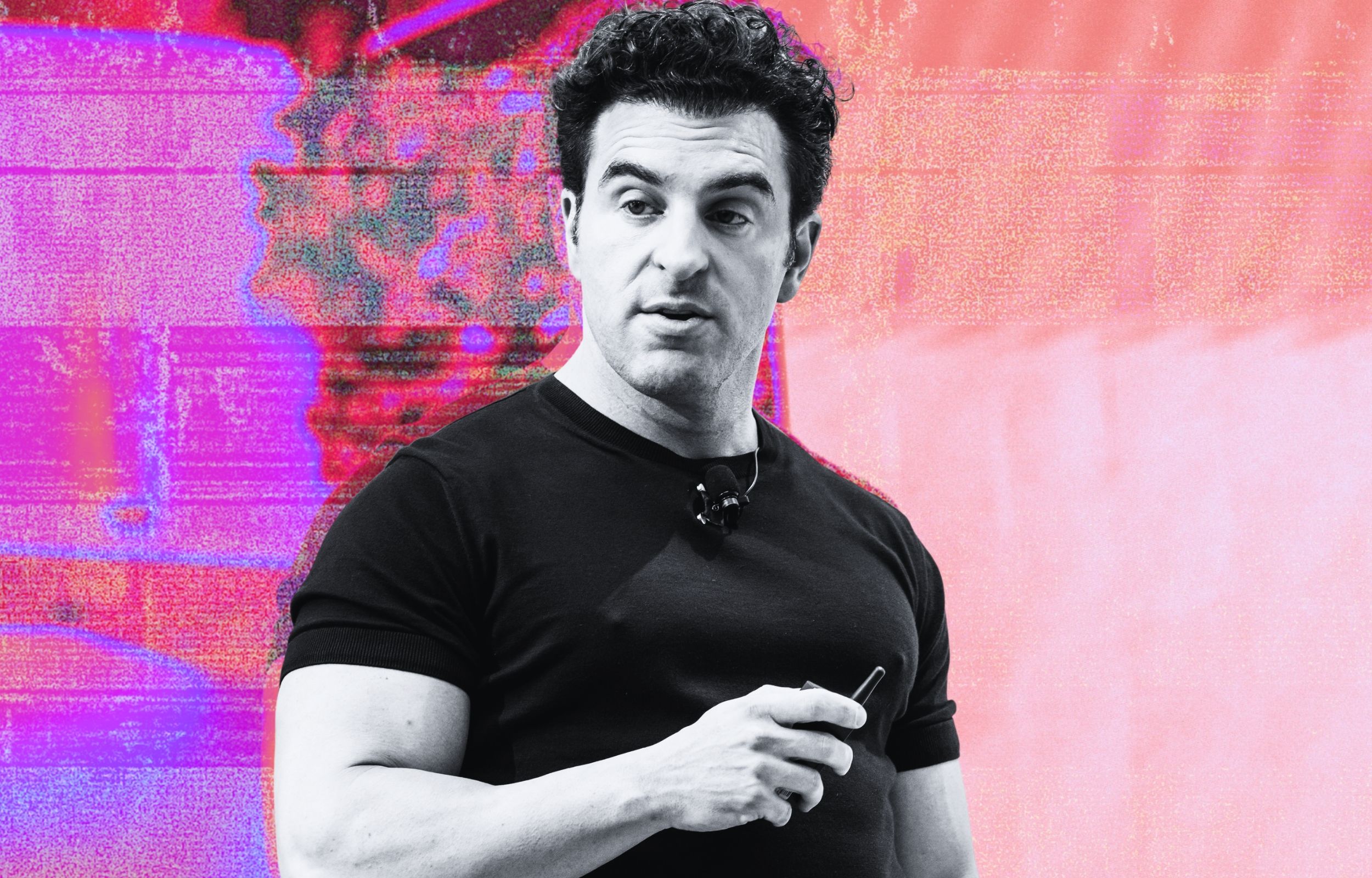
Brian Chesky's journey with Airbnb is now legendary, but the path from inspired founder to effective CEO was anything but smooth. In a candid podcast interview, Chesky revealed how his natural strengths as a creator clashed with the demanding realities of leading a global company.
What Happened
Chesky admitted he was naturally a terrible CEO despite being a gifted founder. He explained that the CEO role is deeply counterintuitive—what works for a mature company can kill a young one. He emphasized that hiring talented individuals and stepping back is a critical mistake early on, instead advocating to hire smart, hungry talent just ahead of the team and stay closely involved.
Why This Matters
The transition from founder to CEO is one of the toughest rites of passage in entrepreneurship. Chesky's honesty about being shy, a people pleaser, and often deferring to experienced hires—only to realize the mistake—offers a rare, real-world look at leadership growing pains. His focus on building a culture that survives without constant oversight is especially valuable for early-stage founders.
Key Takeaways
- The CEO role requires a different skill set than founding a company.
- Hire smart, hungry employees who are slightly ahead of your current team, then mentor them closely.
- Resist the urge to step back too early; hands-on guidance is critical in the beginning.
- Building a self-sustaining culture is harder than turning a profit or managing expenses.
- Personal traits like people-pleasing can clash with effective leadership; awareness and adjustment are key.
Conclusion
Brian Chesky's story is a masterclass in adaptive leadership. His willingness to confront his own shortcomings and rethink what it means to lead offers valuable lessons for any founder navigating the founder-to-CEO transition. The ultimate takeaway: great founding doesn't automatically make great leading, but with intentional growth, it can.





Discussion
Join the conversation
Thoughtful reactions, questions, and follow-up ideas help shape the next story.