Introduction
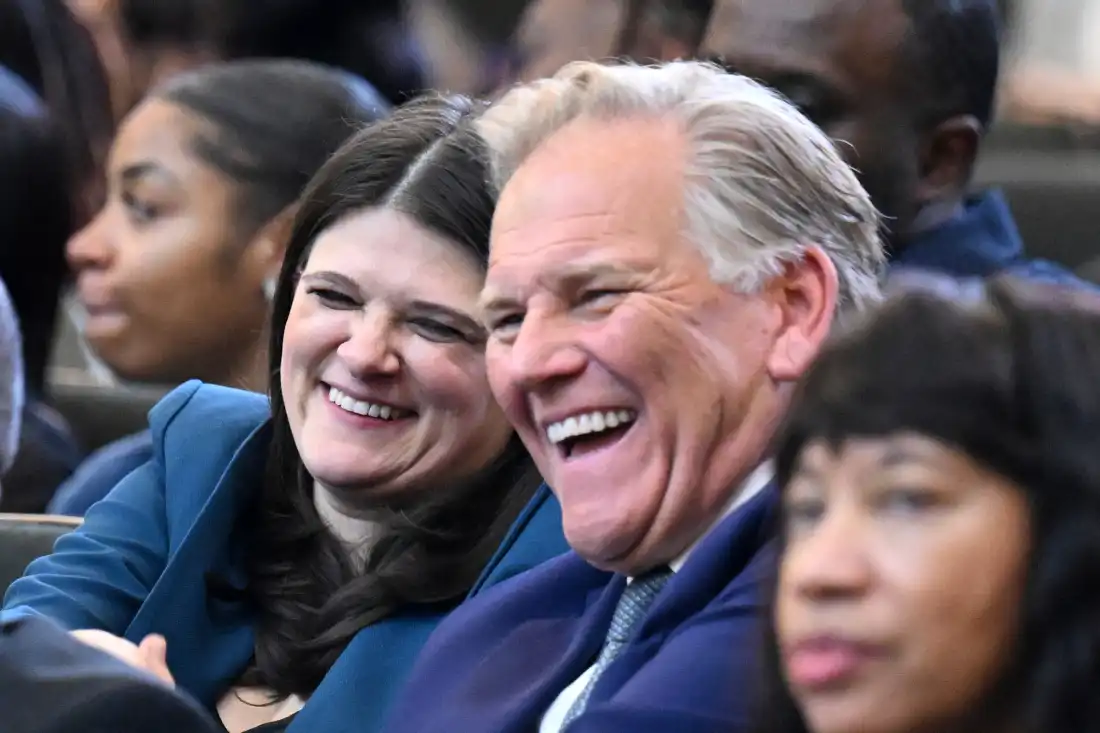
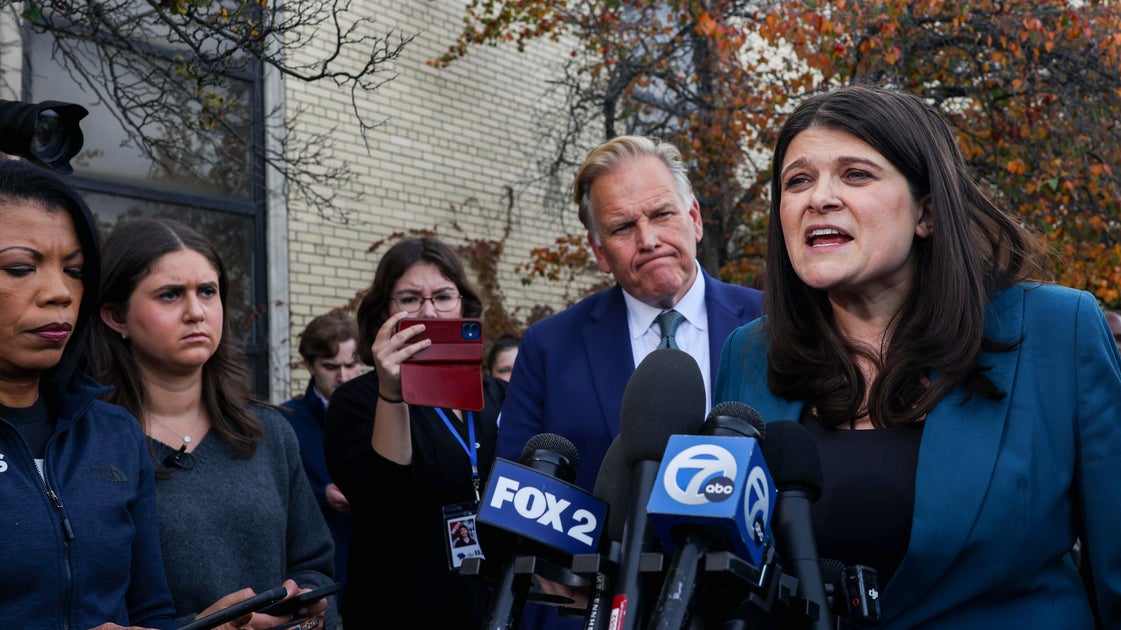
Rep. Haley Stevens has made an unexpected move just days before the 2026 Michigan Senate election, throwing her support behind Republican candidate Mike Rogers instead of the Democratic nominee, Abdul El-Sayed. The endorsement marks a dramatic shift in a race that had been tightly contested along party lines and ideological divides.
What Happened
Stevens, who had previously competed against El-Sayed in the Democratic primary, announced her endorsement of Rogers in a social media video, citing growing frustration with El-Sayed's associations and rhetoric. The decision followed a tense period in which Stevens' fiancé indicated support for Rogers, and Stevens pressed El-Sayed to distance himself from a controversial ad tied to media personality Hasan Piker. Despite being scheduled to appear alongside El-Sayed and Rep. James Clyburn at a unity event, Stevens bowed out after setting a condition that the ad be rejected and an apology issued. The event proceeded without her, and Stevens instead appeared at a Detroit church with Rogers, signaling her new alignment.
Why This Matters
The endorsement has sent ripples through the Michigan Democratic Party, which faces internal fractures over messaging, coalition building, and Israel-related rhetoric. Party leaders, including Senate Minority Leader Chuck Schumer and Michigan Democratic Party Chair Curtis Hertel, condemned the move as a betrayal of progressive values and working-class interests. Stevens' decision highlights a broader schism within the party as it navigates questions of identity, Israel, and voter coalition ahead of the 2028 presidential nominating cycle.
Key Takeaways
- Stevens' endorsement shifts momentum in a closely watched Michigan Senate race just before Election Day.
- The move underscores deepening tensions within the Democratic Party over Israel, rhetoric, and coalition unity.
- El-Sayed's campaign and allies criticized the endorsement, emphasizing his record and distancing from controversial figures.
- The episode may influence party strategy and voter perception in future election cycles, particularly as the party seeks to rebuild broad-based support.
Conclusion
As Michigan voters prepare to cast their ballots, Stevens' unexpected endorsement of Rogers adds a volatile final chapter to a race already defined by sharp ideological contrasts. The fallout will likely be analyzed as a barometer of the Democratic Party's internal cohesion and its ability to maintain a unified front in upcoming contests.





Discussion
Join the conversation
Thoughtful reactions, questions, and follow-up ideas help shape the next story.