Introduction
The Intercept has filed a landmark lawsuit against the city of Alvarado, Texas, alleging a prolonged refusal to release police records tied to a violent demonstration at an immigration detention facility. The case underscores escalating tensions between press freedom and government secrecy.
What Happened
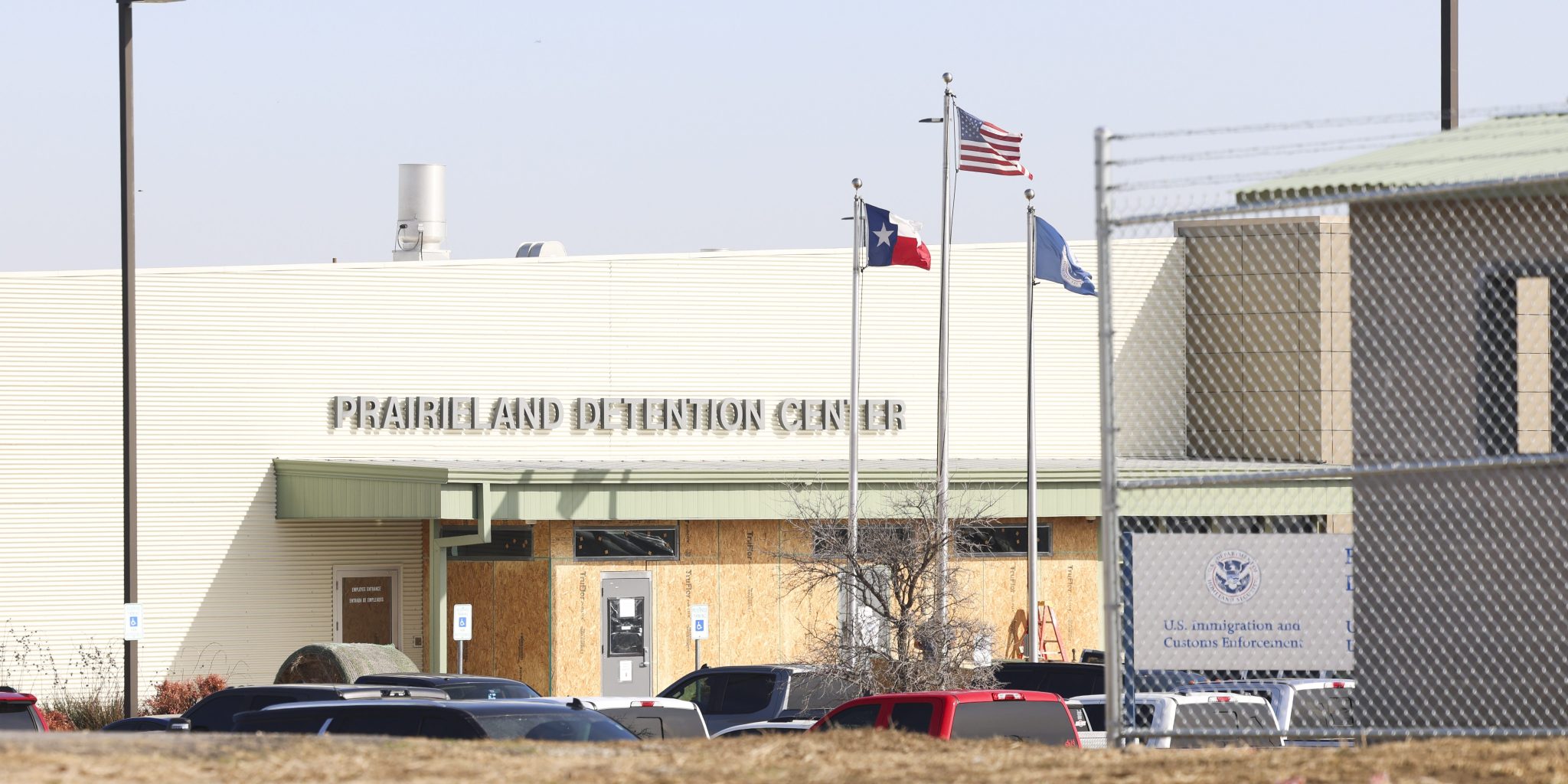
In July 2025, a noise demonstration outside the Prairieland ICE detention center in Alvarado turned violent, resulting in gunfire, injuries to an officer, and the arrest of more than a dozen protesters. Among those charged, Benjamin Song received a 100-year sentence for attempted murder and related counts. The Intercept, represented by freelance journalist C. Frances and veteran records attorney Terry Mutchler, filed a public records request under Texas' Public Information Act seeking police communications from July 4 to July 18, 2025.
Why This Matters
The lawsuit highlights a growing pattern of governmental obstruction in records requests, even after news outlets agree to pay full processing fees. Mutchler condemned the city's conduct as stonewalling on steroids, arguing that elected officials have a fundamental duty to the public. The refusal to release documents, despite payment, raises serious questions about accountability and the right to know how local law enforcement handles protests involving federal immigration facilities.
Key Takeaways
- The Intercept sued Alvarado, Texas, after the city ignored a paid records request.
- The protest at Prairieland detention center led to arrests, injuries, and severe sentences.
- The city has produced zero responsive emails despite receiving payment in April.
- Terry Mutchler called the delay stonewalling on steroids, criticizing public officials' transparency concerns.
- The case could set a precedent for how Texas cities handle future press and public records demands.
Conclusion
This lawsuit is more than a single records request; it's a test of whether local governments can ignore public information laws without consequence. As The Intercept pursues the case, the outcome may influence how other jurisdictions respond to similar transparency challenges. Readers concerned about press freedom and government accountability should watch this developing story closely.



Discussion
Join the conversation
Thoughtful reactions, questions, and follow-up ideas help shape the next story.