
Introduction
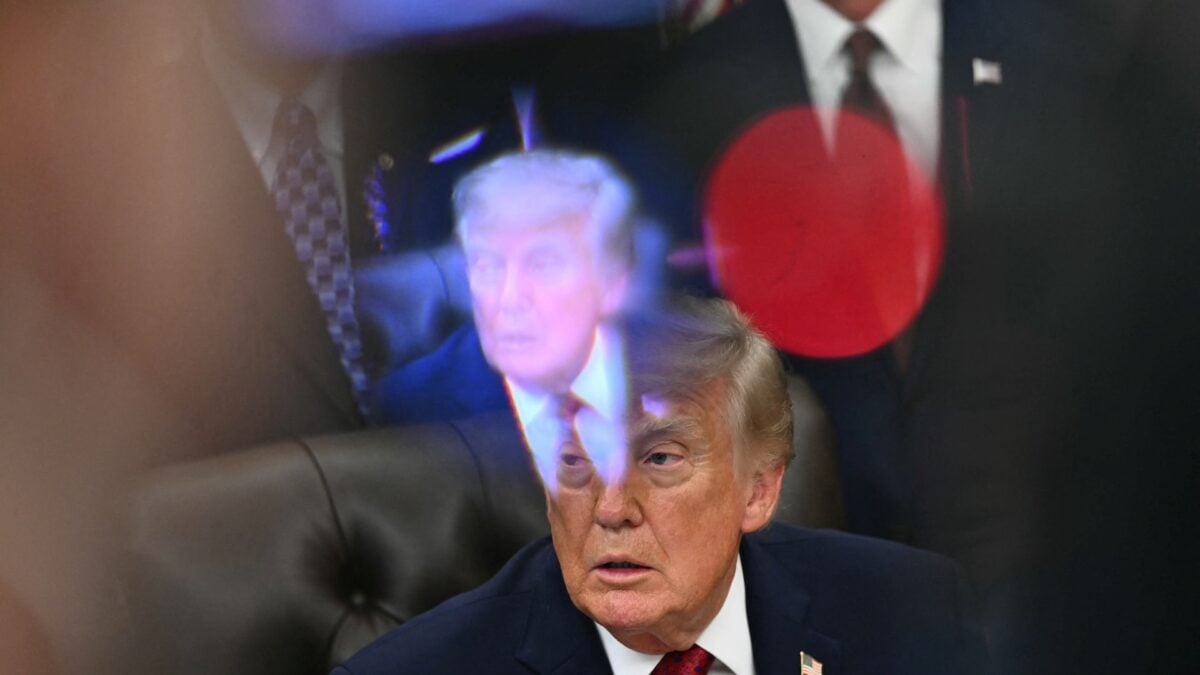
President Donald Trump spent a recent week campaigning aggressively and marking a significant anniversary, appearing at a Republican midterm convention in Dallas and attending a 9/11 memorial service at the Pentagon. The dual appearances highlighted his continued influence over the party and offered a window into the political themes shaping the upcoming elections.
What Happened
Trump addressed the Republican midterm convention in Dallas over two nights, framing the elections as a direct referendum on his leadership despite not appearing on the ballot himself. His remarks, including a fiery warning that voters who stay home faced strong rebuke, energized the crowd and underscored his effort to drive turnout for down-ballot Republicans. Separately, Trump traveled to the Pentagon to commemorate the 25th anniversary of the 9/11 attacks, joining military leaders and officials for a remembrance ceremony. The event served as both a tribute to the victims and a moment for the president to reflect on the lasting impact of that day.
Why This Matters
The Dallas convention was more than a standard party gathering; it was a calculated effort to leverage Trump's personal brand to motivate voters in key races. By positioning the midterms as a continuation of his political fight, Trump sought to counteract the historical disadvantage faced by the party in power during midterm elections. At the Pentagon, Trump's comments drew connections between the unity felt after 9/11 and the current state of national division, suggesting that the country's trajectory since those attacks has been marked by overseas conflicts, economic policies like tariffs, and a growing sense of isolationism. NPR's Ron Elving noted the contrast between the post-9/11 unity and the polarized political landscape of 2026.
Key Takeaways
- Trump's presence dominated both events, using them as platforms to reinforce his political brand.
- The Dallas rally functioned as a de facto campaign rally, aiming to boost Republican turnout despite Trump not being on the November ballot.
- The 9/11 memorial at the Pentagon reflected on two decades of policy outcomes, from Afghanistan and Iraq to current trade and foreign policy decisions.
- Commentary from NPR's Ron Elving highlighted the shifting national mood from post-9/11 solidarity to contemporary partisan divides.
- Voter turnout and the role of former presidents in shaping midterm outcomes remain central themes as the 2026 election cycle progresses.
Conclusion
Trump's back-to-back appearances—one political, one commemorative—reveal how personal political capital is being deployed to influence electoral outcomes and shape national narrative. As the midterm season unfolds, the interplay between celebrity-driven campaigning and traditional policy remembrance will likely continue to define the political discourse, offering voters distinct lenses through which to evaluate the direction of the country.
Discussion
Join the conversation
Thoughtful reactions, questions, and follow-up ideas help shape the next story.